
- Sophia@polyflute.com
- +86 15162372874
- Mon - Sat 8:00-20:00
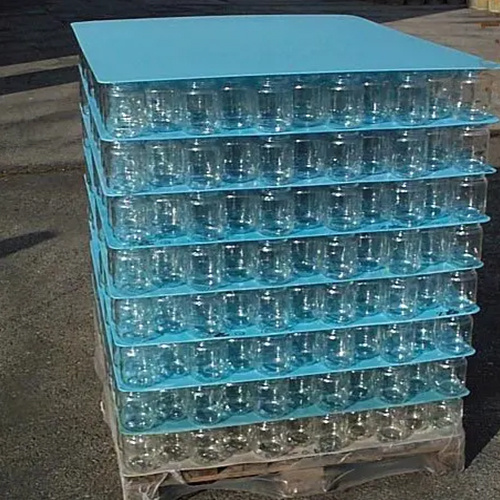
In the modern logistics and manufacturing world, packaging plays a critical role not only in protecting products but also in optimizing storage, handling, and transportation. Among various materials used in packaging, PP layerboard has emerged as a versatile, durable, and eco-friendly option for businesses seeking efficient packing solutions. This article explores everything you need to know about PP layerboard, its applications, benefits, and why it has become a preferred choice in the packaging industry.

Layerboard, sometimes referred to as corrugated polypropylene sheets, is a flat sheet material made primarily from polypropylene (PP). Unlike traditional cardboard or paper-based materials, layerboard provides exceptional strength while remaining lightweight. The sheets are designed with a fluted or corrugated structure sandwiched between flat liners, which significantly enhances rigidity and load-bearing capacity.
PP layerboard is widely used as a layer pad in palletized goods, acting as a protective layer between stacked products. Its robust structure prevents damage caused by compression, friction, or moisture, making it ideal for shipping, warehousing, and long-term storage.
Understanding the composition of PP layerboard is essential to appreciate its superior performance:
This combination of materials ensures that PP layerboard remains light, strong, and reusable, setting it apart from other single-use packaging alternatives.
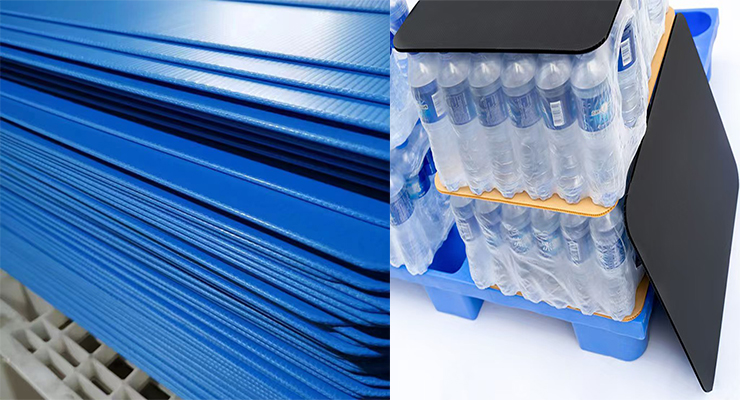
The applications of PP layerboard are diverse, spanning industries such as electronics, food and beverage, pharmaceuticals, and industrial goods. Key uses include:
PP layerboards are extensively used as layer pads in pallets. They create separation between stacked items, preventing surface scratches, crushing, and shifting during transport. This is especially valuable for fragile items like glass bottles, electronics, and ceramics.
The sheets can be custom-cut into protective inserts, dividers, or trays. This makes PP layerboard ideal for packaging sensitive products that require precise positioning and cushioning, reducing the risk of damage.
Unlike cardboard or paperboard, PP layerboards are highly durable and moisture-resistant. This enables businesses to implement reusable packaging systems, reducing costs and environmental impact over time.
In industries dealing with heavy machinery, metal components, or chemicals, PP layerboards provide excellent load-bearing support. Their resistance to water, oil, and chemicals ensures that packaged goods remain protected under challenging conditions.
PP layerboard offers numerous advantages over traditional cardboard, paperboard, and even some plastic sheets. These advantages make it a popular choice for both domestic and international shipping:
Despite being lightweight, PP layerboard has remarkable structural strength. This allows it to handle heavy loads without bending or breaking, making it perfect for multi-tiered pallet arrangements.
One of the standout properties of PP layerboard is its resistance to moisture, oils, and many chemicals. Unlike cardboard, it does not absorb water, preventing weakening or deformation during transit in humid environments.
PP layerboards can be reused multiple times, reducing the need for single-use packing materials. They are also recyclable, aligning with modern sustainability goals in logistics and manufacturing.
Layerboards can be manufactured in different thicknesses, sheet sizes, and fluting designs to meet specific packing needs. Additionally, they can be cut, printed, or laminated for branding or labeling purposes.
The rigidity and cushioning effect of PP layerboard protect delicate items during shipping. This reduces the likelihood of returns, damage claims, and overall shipping costs.
To better understand its value, let’s compare PP layerboard with commonly used alternatives:
| Material | Strength | Weight | Moisture Resistance | Reusability | Cost |
|---|---|---|---|---|---|
| Cardboard | Moderate | Light | Poor | Limited | Low |
| Paperboard | Low | Light | Poor | Limited | Low |
| Corrugated Plastic (PVC/PE) | High | Moderate | Excellent | Good | Moderate |
| PP Layerboard | High | Light | Excellent | Excellent | Moderate |
From this comparison, it is clear that PP layerboard provides a superior balance of strength, durability, and lightweight design, especially for applications requiring frequent reuse or exposure to moisture.
Selecting the appropriate PP layerboard depends on several factors:
Consider the weight of the products and stacking height. Thicker boards or those with enhanced fluting provide greater load-bearing capacity.
If pallets are exposed to moisture, extreme temperatures, or chemicals, select boards with UV stabilizers, anti-static properties, or additional chemical resistance.
Standard sheet sizes may work for common pallet sizes, but custom dimensions ensure maximum protection and material efficiency.
While PP layerboard may have a higher upfront cost than cardboard, its durability and reusability often result in lower total packaging costs over multiple uses.
As businesses increasingly focus on environmentally responsible practices, PP layerboard offers several sustainability benefits:
By choosing PP layerboard, companies can achieve packaging efficiency while aligning with global sustainability initiatives.
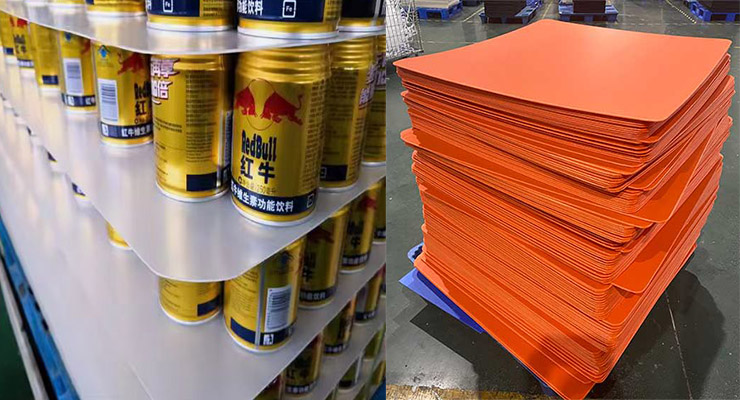
Companies often use PP layerboards between layers of bottled beverages or canned goods. The material prevents top-layer crushing and keeps products stable during transport.
In the electronics industry, fragile items like smartphones, laptops, and components benefit from PP layerboard’s shock absorption and anti-static options, reducing damage risk during transit.
Pharmaceuticals require hygiene, protection from moisture, and stability during transport. PP layerboards meet these requirements while being lightweight and easy to handle.
Heavy industrial equipment, metal components, and machinery parts are frequently shipped on pallets using PP layerboard as a load-distributing layer, ensuring safe delivery.
Proper use of PP layerboard is essential for maximizing its protective capabilities:
Following these tips will ensure longevity and consistent performance of PP layerboard.
The packaging industry is rapidly evolving, and PP layerboard is poised to benefit from several trends:
These trends indicate that PP layerboard will continue to be a critical component in modern packaging solutions.
PP layerboard for packing offers unmatched versatility, strength, and sustainability for businesses across multiple industries. Its moisture resistance, lightweight nature, and durability make it a superior alternative to traditional cardboard and paperboard. By investing in high-quality PP layerboards, companies can protect their products, reduce shipping damage, implement reusable packaging systems, and contribute to environmental sustainability.
As packaging requirements become more demanding and eco-conscious, PP layerboard stands out as a reliable, cost-effective, and forward-thinking solution for efficient and sustainable logistics.