
- Sophia@polyflute.com
- +86 15162372874
- Mon - Sat 8:00-20:00
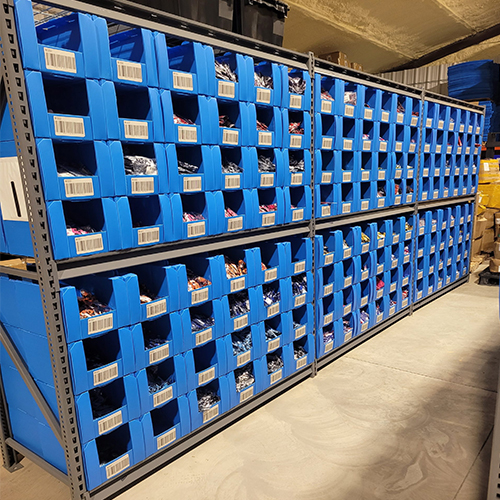
In modern warehouses, retail stores, and even home garages, the organization of small parts and components is crucial for efficiency. Storage pick bins have emerged as one of the most popular solutions for storing, sorting, and accessing items quickly. But how do these bins compare to other storage solutions like shelving systems, drawer cabinets, and plastic containers? This article explores the advantages, disadvantages, and ideal applications of storage pick bins versus similar products, helping you make informed choices for your storage needs.

Storage pick bins are modular containers designed to hold small to medium-sized parts, tools, or inventory items. Typically made from durable plastic, these bins are stackable, easily accessible, and often feature sloped fronts or open tops for quick retrieval. They are widely used in industries such as manufacturing, automotive, electronics, and warehousing.
Key Features:
These features make storage pick bins versatile, efficient, and highly user-friendly, particularly when managing high-volume, small-part inventories.
To understand the effectiveness of storage pick bins, let’s compare them with other commonly used storage solutions.
Plastic Containers: Closed boxes or tubs used for general storage of items.
Comparison:
| Feature | Storage Pick Bins | Plastic Containers |
|---|---|---|
| Accessibility | Open front, quick grab | Closed lid, requires removal |
| Visibility | Items visible | Often hidden unless transparent |
| Stackability | Modular, can be stacked vertically or on racks | Can stack, but may require lids for stability |
| Labeling | Easy with slots | Labels on lid or container |
| Ideal Use | Small parts, tools, warehouse inventory | Bulk storage, non-frequent access items |
Conclusion: Storage pick bins excel in environments where frequent access to items is needed, while plastic containers are better for long-term storage of bulk items.
Drawer Cabinets: Multi-compartment storage systems with sliding drawers.
Comparison:
| Feature | Storage Pick Bins | Drawer Cabinets |
|---|---|---|
| Accessibility | Open front, grab-and-go | Pull drawer, slower for multiple items |
| Customization | Modular, flexible sizes | Fixed compartments, limited flexibility |
| Mobility | Can be moved easily if stackable | Heavy and often stationary |
| Cost | Lower, affordable in bulk | Higher initial investment |
| Ideal Use | Dynamic inventory, frequently used parts | Precision tools, smaller components needing separation |
Conclusion: Drawer cabinets provide better protection for delicate items but lack the speed and modularity of pick bins. Storage pick bins are preferable for fast-paced work environments.
Shelving Systems: Fixed or adjustable shelves for organizing boxes, bins, and large items.
Comparison:
| Feature | Storage Pick Bins | Shelving Systems |
|---|---|---|
| Space Efficiency | High vertical density | Depends on shelf configuration |
| Item Visibility | Front-facing, easy to see | Items may be stacked behind others |
| Accessibility | Quick access to individual items | May require moving boxes or items |
| Versatility | Modular, portable | Mostly fixed, less flexible |
| Cost | Affordable | Higher installation cost, requires assembly |
| Ideal Use | Small parts, warehouse picking | Larger items, bulk storage, general organization |
Conclusion: While shelving systems are essential for general storage, pairing them with storage pick bins optimizes both vertical space and accessibility for small items.

Tote Boxes: Plastic picking bins with handles for carrying items, often used for shipping or transport.
Comparison:
| Feature | Storage Pick Bins | Tote Boxes |
|---|---|---|
| Accessibility | Open front or sloped design | Lid may restrict access |
| Transportability | Some bins portable, others fixed | Designed for transport, easy to carry |
| Visibility | Items easy to see | Limited, unless clear plastic |
| Stackability | Modular, rack-compatible | Can stack, but not optimized for quick pick |
| Ideal Use | Warehouse picking, assembly lines | Moving parts between workstations or shipping |
Conclusion: Tote boxes are optimized for transport, while storage pick bins are optimized for storage and fast picking.
Selecting the right storage pick bin depends on the specific needs of your operation. Consider these factors:
By carefully evaluating these factors, businesses can optimize efficiency, reduce picking errors, and ensure a safer, more organized workspace.
Storage pick bins are highly versatile and used across a wide range of industries:
Storage pick bins are low-maintenance, but proper care ensures longevity:
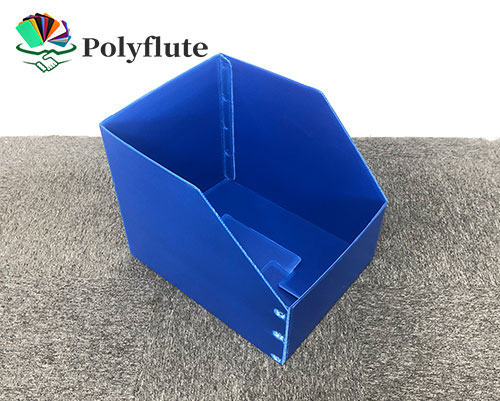
Storage pick bins are a versatile and cost-effective solution for organizing small parts and components. Compared to plastic containers, drawer cabinets, shelving systems, and tote boxes, pick bins offer superior accessibility, visibility, and modularity. They are ideal for warehouses, manufacturing facilities, retail stores, and even home workshops. By understanding the differences and applications, businesses and individuals can choose the right storage solution to enhance efficiency, save space, and streamline inventory management.
For any organization managing small to medium-sized items, investing in storage pick bins is a step toward better organization, improved productivity, and reduced inventory errors.