
- Sophia@polyflute.com
- +86 15162372874
- Mon - Sat 8:00-20:00

Efficient storage solutions are crucial for any warehouse, distribution center, or industrial facility. Among the most versatile and practical storage options are warehouse stackable bins. These bins are designed to maximize vertical storage space, improve organization, and facilitate faster access to items. However, selecting the right warehouse stackable bins requires careful consideration of several factors. In this article, we will provide a comprehensive guide to help you choose the best warehouse stackable bins for your facility.
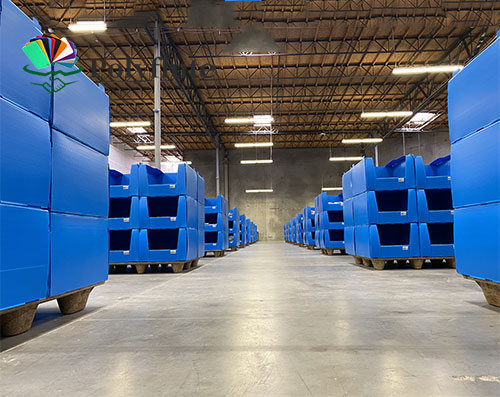
Warehouse operations often face challenges such as limited space, heavy workloads, and the need for quick access to inventory. Warehouse stackable bins provide a solution to many of these challenges. By allowing vertical stacking, these bins make the most of available space, which is especially valuable in facilities with limited square footage.
Additionally, stackable bins help maintain order and improve workflow efficiency. Items are easier to locate and retrieve when stored in designated bins, which can be labeled or color-coded. This reduces the time warehouse staff spend searching for products and minimizes picking errors.
Stackable bins also contribute to safety in the warehouse. When properly stacked, they prevent items from falling and create a stable storage system. The modular design allows for flexible storage arrangements, making it easier to reorganize inventory as needs change.
Choosing the right warehouse stackable bins is not just about picking a size or style—it’s about ensuring the bins meet your specific storage and operational requirements. The following factors should be considered:
The material of warehouse stackable bins determines their durability, weight capacity, and suitability for different environments. Common materials include:
The choice of material depends on what you are storing, environmental conditions, and budget.
The size of your warehouse stackable bins should match the items you intend to store. Oversized bins can waste space, while undersized bins may not accommodate inventory efficiently. Consider the following:
Standard warehouse bins come in multiple sizes, ranging from small bins for screws and bolts to larger bins for bulk items.
Every bin has a weight limit. It’s important to ensure that your warehouse stackable bins can safely support the weight of stored items, both individually and when stacked. Overloading bins can lead to deformation, damage, or accidents. Always check the manufacturer’s specifications and consider a safety margin.
Stackability is the defining feature of these bins. A well-designed stackable bin offers:
Choosing bins with thoughtful stacking design improves safety and efficiency in your warehouse operations.
Clear or semi-transparent bins allow warehouse staff to identify contents without opening them. Some bins include slots for labels or barcodes, which help in inventory tracking and organization. Warehouse stackable bins with open fronts or removable lids also provide easier access to frequently used items.
Warehouses can be harsh environments. Dust, moisture, chemicals, and heavy handling can damage low-quality bins. High-quality warehouse stackable bins should be:
Investing in durable bins reduces replacement costs and ensures long-term reliability.
Some warehouses may require bins with specific features, such as:
Custom features can enhance efficiency and prevent inventory mix-ups.

Understanding the different types of warehouse stackable bins can help you select the right option for your needs:
Selecting the right type depends on the inventory you manage and the specific needs of your warehouse operations.
Using warehouse stackable bins offers several benefits that can significantly improve the efficiency of any storage facility:
To maximize the benefits of your warehouse stackable bins, consider the following best practices:
Implementing these practices ensures that your warehouse operations remain efficient, safe, and organized.

Choosing the right warehouse stackable bins is essential for optimizing storage, improving workflow, and maintaining a safe warehouse environment. Consider factors such as material, size, weight capacity, stackability, visibility, and durability when selecting bins. Understanding the different types of bins and their applications will help you make an informed decision.
Investing in high-quality stackable bins not only maximizes space utilization but also enhances inventory management, reduces errors, and increases operational efficiency. Whether you are setting up a new warehouse or upgrading an existing storage system, selecting the appropriate warehouse stackable bins is a strategic decision that will pay off in long-term productivity and cost savings.
By carefully evaluating your warehouse needs and choosing the right bins, you can create a more organized, efficient, and safe storage environment that supports your business goals.