
- Sophia@polyflute.com
- +86 15162372874
- Mon - Sat 8:00-20:00
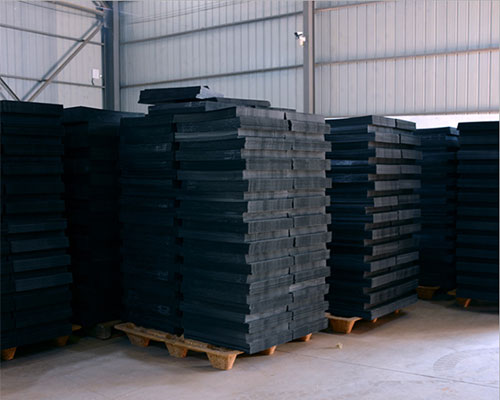
When choosing a lightweight plastic sheet for signage, packaging, displays, protection, and temporary structures, thickness plays an important role in determining performance. Among the available options, correx sheets 4mm are widely used because they provide a practical balance between rigidity, weight, durability, and cost. Made from corrugated polypropylene, these sheets have a fluted internal structure that gives them greater stiffness than a solid sheet of similar weight.
Whether you need material for outdoor signs, warehouse applications, point-of-sale displays, packaging components, or protective panels, understanding the characteristics of 4mm Correx sheets can help you select the right solution. This guide explains their construction, advantages, applications, printing options, and important factors to consider before purchasing.

Correx is a commonly used name for corrugated polypropylene sheet. The material consists of two flat outer surfaces connected by internal polypropylene ribs or flutes. This hollow structure reduces the amount of material required while maintaining useful rigidity and impact resistance.
A 4mm thickness offers more stiffness than thinner corrugated plastic sheets while remaining relatively lightweight and easy to handle. The polypropylene construction also gives the sheet good resistance to moisture, many chemicals, and everyday environmental conditions.
Unlike paper-based boards, polypropylene corrugated sheets do not absorb water easily. This makes them suitable for both indoor and outdoor applications where exposure to humidity, rain, or occasional splashing may occur.
One of the main advantages of correx sheets 4mm is their combination of lightweight construction and structural performance. The fluted design helps the sheet resist bending while keeping its overall weight low.
Several characteristics make these sheets useful across different industries:
Lightweight construction: The hollow core reduces material consumption and makes the sheets easy to transport, carry, cut, and install.
Good rigidity: A 4mm structure provides useful stiffness for signs, partitions, packaging inserts, and display boards.
Moisture resistance: Polypropylene does not readily absorb water, making the material suitable for humid and outdoor environments.
Impact resistance: The flexible polypropylene structure can withstand everyday handling and moderate impacts without easily cracking.
Chemical resistance: Polypropylene generally performs well against many common chemicals, although compatibility should always be checked for specific substances.
Easy fabrication: Sheets can be cut, creased, drilled, folded, and fabricated using common processing methods.
Recyclability: Polypropylene is a recyclable thermoplastic, making it suitable for applications where material recovery is part of the product lifecycle.
Thickness should be selected according to the intended application. Thin corrugated plastic may be sufficient for lightweight promotional signs or short-term graphics, while thicker sheets can provide additional rigidity.
The 4mm format is often considered a versatile middle-ground option. It provides more body and support than very thin boards without becoming unnecessarily heavy or difficult to process.
For example, a sign exposed to wind may benefit from greater stiffness, while a packaging insert may need enough thickness to separate and protect products. In these situations, 4mm polypropylene can offer a useful combination of strength and manageable weight.
However, thickness alone does not determine performance. Sheet dimensions, flute structure, material density, surface treatment, installation method, and environmental conditions can also affect the final result.

Correx sheets 4mm can be used in many applications because they are lightweight, moisture-resistant, and relatively easy to fabricate.
Corrugated polypropylene is widely used for temporary and semi-permanent signs. It can be printed with graphics, logos, promotional messages, property information, directional instructions, and event notices.
The 4mm structure offers enough rigidity for many freestanding signs and mounted boards. With suitable printing and installation methods, the material can be used in outdoor advertising and construction-related signage.
Retailers can use 4mm corrugated plastic for promotional boards, shelf displays, product information panels, and temporary campaigns. Its low weight makes displays easier to transport and install.
The material can also be fabricated into simple display components using cutting, scoring, folding, and fastening techniques.
The combination of stiffness and low weight makes corrugated polypropylene useful for reusable packaging, dividers, layer pads, and protective inserts.
Unlike disposable paperboard, polypropylene sheets can be cleaned and reused in suitable applications. This can be valuable for manufacturers and warehouses that repeatedly move components between production and storage areas.
In industrial environments, the sheets can be used for temporary partitions, bin labels, protective covers, floor markers, separators, and identification boards.
Their resistance to moisture is particularly useful in warehouses where paper-based materials may become damaged by humidity or occasional contact with water.
Trade shows, exhibitions, sporting events, and temporary installations often require lightweight materials that can be transported efficiently. 4mm corrugated polypropylene can be printed and fabricated into signs, directional boards, decorative panels, and promotional displays.
Printing is another important consideration when purchasing corrugated polypropylene sheets. Depending on the required appearance, quantity, and application, manufacturers may offer different printing methods.
UV printing can provide sharp graphics and is suitable for many signage applications. Screen printing may be appropriate for simpler designs and larger production runs. Digital printing can provide flexibility for customized graphics, variable designs, and smaller quantities.
For outdoor use, buyers should consider whether the printing system and inks are designed for the expected exposure to sunlight, moisture, and temperature changes.
One advantage of corrugated polypropylene is that it can be processed without complicated equipment for many applications. Sheets can generally be cut into custom shapes and sizes, while scoring and creasing can make folding easier.
Depending on the product design, manufacturers can also add holes, slots, folds, hinges, or other features. Custom fabrication is especially useful for packaging inserts, displays, and industrial components.
When specifying a custom product, buyers should provide the required sheet dimensions, thickness, color, printing requirements, quantity, and fabrication details. This helps manufacturers determine the most suitable production method.
Before ordering 4mm corrugated polypropylene, consider several factors. First, determine whether the sheet will be used indoors or outdoors. Outdoor applications may require appropriate UV resistance and weather-resistant printing.
Next, consider the required dimensions and level of rigidity. Large panels may need additional support depending on how they will be installed. For printed products, define the number of colors, artwork requirements, printing area, and expected service period.
Color is another consideration. White is commonly selected for printed signs because it provides a clean background, while other colors can be used for branding, identification, or visual organization.
Finally, discuss material quality and production tolerances with the supplier. For large orders, requesting samples before mass production can help confirm the sheet’s appearance, thickness, stiffness, printing quality, and fabrication performance.

Correx sheets 4mm offer a versatile solution for businesses that need lightweight, rigid, moisture-resistant, and easy-to-process plastic sheet material. Their corrugated polypropylene structure provides a practical balance between durability and weight, making them suitable for signage, retail displays, packaging, warehouse applications, exhibitions, and protective components.
The best choice depends on the specific environment, sheet dimensions, printing requirements, fabrication method, and expected service life. By evaluating these factors before purchasing, buyers can select a 4mm corrugated polypropylene sheet that provides reliable performance while keeping handling and transportation costs manageable.