
- Sophia@polyflute.com
- +86 15162372874
- Mon - Sat 8:00-20:00
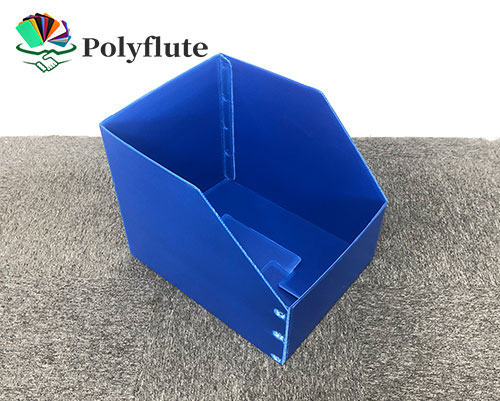
In modern warehousing and industrial environments, efficient storage management has become a key factor affecting operational costs, order accuracy, and overall productivity. As businesses handle increasing numbers of components, spare parts, fasteners, tools, and small inventory items, traditional storage methods often create challenges such as poor visibility, longer picking times, and inefficient use of warehouse space.
Well-organized storage systems allow employees to quickly identify, access, and manage inventory while reducing unnecessary movement inside the facility. Among various warehouse organization solutions, storage picking bins have become an essential tool for manufacturers, distributors, workshops, and logistics centers that need a practical way to store and retrieve frequently used items.
By improving inventory visibility and creating a structured picking environment, these bins help companies optimize workflow, reduce errors, and achieve better space utilization. Whether used in automotive parts storage, electronics manufacturing, industrial assembly lines, or e-commerce fulfillment centers, they provide a flexible solution for managing small and medium-sized inventory items.

Small components often represent one of the biggest challenges in warehouse management. Items such as screws, nuts, bolts, electronic components, fittings, bearings, and tools are usually stored in large quantities but have relatively small dimensions. Without an organized storage system, these products can easily become mixed together, misplaced, or difficult to locate.
Poor small parts management can lead to several operational problems:
A well-designed storage system solves these issues by creating dedicated locations for different items. Workers can quickly identify products through labels, colors, or designated storage positions, allowing faster order preparation and smoother daily operations.
This is where storage picking bins provide significant value. They are designed specifically for environments where quick access and organized inventory management are critical.
Storage picking bins are designed with functionality, durability, and accessibility in mind. Unlike traditional boxes or general storage containers, they are optimized for repeated handling and frequent item retrieval.
Several features make them suitable for professional warehouse environments:
One of the biggest advantages of using picking bins is improved product visibility. Many designs feature open fronts, allowing workers to see and remove items without moving other containers.
In fast-paced warehouse operations, employees often need to pick hundreds or thousands of small items daily. Easy access reduces searching time and improves picking efficiency.
Many businesses also use labels or barcode systems on the front of bins, creating a more organized inventory tracking process.
Warehouse space is expensive, and maximizing every available area is important for reducing operational costs. Storage picking bins can be installed on shelving systems, racks, cabinets, or mobile carts, helping businesses make better use of vertical and horizontal storage space.
Compared with storing small items randomly on shelves, picking bins create a structured arrangement where each product has a fixed location. This improves warehouse density while maintaining accessibility.
Industrial storage environments require products that can withstand daily handling. High-quality picking bins are typically manufactured from strong plastic materials that provide:
For manufacturing plants and workshops, durable storage solutions reduce replacement frequency and provide better long-term value.
Because of their flexibility, picking bins are widely used across multiple industries.
Manufacturers often manage thousands of small components used during production. From mechanical parts to electronic accessories, keeping these items organized is essential for maintaining continuous production.
Storage bins are commonly used near assembly lines, allowing workers to quickly access required components without leaving their workstation.
Typical applications include:
By placing frequently used components in clearly organized bins, manufacturers can reduce production delays caused by missing or misplaced parts.
Distribution companies handle large volumes of products every day. Efficient picking processes directly affect order fulfillment speed and customer satisfaction.
Storage bins help warehouse operators create organized picking stations where products can be categorized according to:
This improves inventory accuracy and allows employees to complete orders more efficiently.
Maintenance departments often store thousands of replacement parts, tools, and consumables. Without proper organization, finding the correct part can take significant time.
Picking bins are ideal for storing:
A clearly arranged maintenance storage system helps technicians locate necessary items quickly and reduce equipment downtime.
With the rapid growth of online shopping, fulfillment centers require highly efficient picking operations. Small products need to be stored in a way that supports fast order processing.
Picking bins provide an effective solution for organizing products with different SKUs while allowing workers to quickly collect items during order fulfillment.

Businesses can choose from different bin designs depending on their storage requirements.
Open front bins are among the most popular options because they provide direct access to stored items. They are especially suitable for high-frequency picking operations.
Advantages include:
These bins are commonly used in warehouses where employees frequently pick small parts throughout the day.
Stackable bins allow businesses to build flexible storage arrangements. They can be stacked vertically when space is limited, improving storage efficiency.
These bins are useful for:
Their modular design allows companies to expand storage capacity as inventory requirements grow.
Drawer-style storage systems provide additional protection for small items. They are often used for precision components or products that require dust protection.
Typical applications include:
Certain industries require special storage solutions. For example, electronics manufacturers may need anti-static bins to protect sensitive components from electrostatic discharge.
Specialized bins can provide additional functions such as:
Selecting the correct storage solution requires considering several factors.
The material determines the durability and application range of the bin. Industrial environments usually require strong plastic materials that can handle repeated use.
Important considerations include:
The size of the bin should match the products being stored. Small components require compact bins, while larger parts need higher-capacity solutions.
Choosing the correct size helps prevent wasted space and improves organization.
Before purchasing, companies should confirm whether bins are compatible with existing shelving, racks, or storage cabinets.
Standardized designs make it easier to create flexible storage layouts and expand systems in the future.

Efficient inventory management is essential for businesses looking to improve productivity, reduce operational costs, and maintain competitive advantages. For warehouses, manufacturing facilities, workshops, and distribution centers, storage picking bins provide a practical solution for organizing small parts and improving workflow efficiency.
With advantages such as easy access, better space utilization, durability, and flexible applications, these storage solutions help businesses create cleaner, faster, and more efficient working environments.
Choosing the right bin size, material, and design allows companies to build a storage system that matches their operational needs while supporting long-term growth. As industrial operations continue to become more demanding, organized storage solutions will remain a critical part of modern warehouse management.