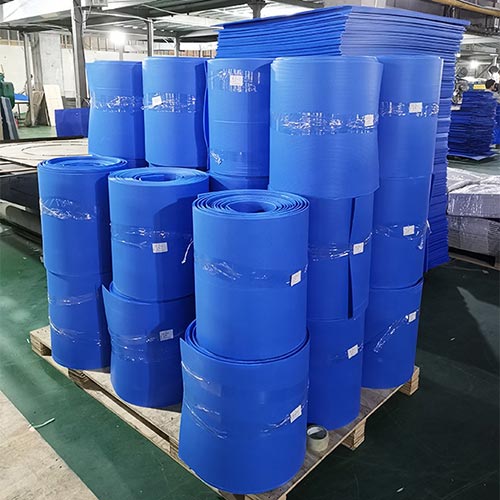
In modern construction, renovation, and interior finishing projects, protecting finished or partially completed surfaces is a critical part of quality control and cost management. One of the most widely used materials for temporary surface protection is floor protection correx—a lightweight yet durable corrugated plastic sheet designed to shield floors from impact, abrasion, paint spills, dust, and heavy foot traffic.
However, not all floor protection materials are equal. Choosing the right floor protection correx depends on multiple technical and environmental factors, including material density, thickness, waterproof performance, reusability, and application type. Selecting incorrectly can lead to surface damage, increased cleanup costs, or inefficient project workflows.
This article provides a comprehensive guide on how to choose the most suitable floor protection correx, helping contractors, builders, and distributors make informed procurement decisions.

What Is Floor Protection Correx?
Floor protection correx is a protective sheet made from polypropylene (PP) twin-wall corrugated plastic. It is engineered with a fluted internal structure, which provides a high strength-to-weight ratio while maintaining flexibility and ease of handling.
Key Structural Characteristics
- Twin-wall corrugated structure (fluted core)
- Lightweight yet impact-resistant design
- Waterproof and chemical-resistant properties
- Recyclable thermoplastic material (PP or PE variants)
- Available in rolls or flat sheets
Common Industry Names
Depending on region and supplier, floor protection correx may also be referred to as:
- Correx floor protection sheets
- Corrugated plastic floor protection boards
- Temporary floor covering sheets
- Construction protection boards
- Protective polypropylene sheets
Why Floor Protection Correx Is Widely Used
The popularity of floor protection correx in construction and renovation industries is driven by its performance advantages compared to traditional alternatives such as cardboard, plywood, or fabric-based coverings.
1. High Impact Resistance
The fluted structure distributes load evenly across the surface, making it suitable for:
- Heavy foot traffic
- Tool drops
- Equipment movement
- Scaffold and ladder usage
2. Waterproof and Spill-Proof
Unlike cardboard or fiber-based materials, correx does not absorb water, paint, or cement slurry. This makes it ideal for:
- Painting projects
- Wet construction environments
- Bathroom and kitchen renovation sites
3. Lightweight and Easy to Install
Contractors prefer correx because it:
- Can be cut with a utility knife
- Is easy to transport in rolls or stacks
- Requires minimal installation labor
4. Reusable and Cost-Effective
High-quality floor protection correx can be reused multiple times, significantly reducing project overhead costs.
Key Factors in Choosing Floor Protection Correx
Selecting the right floor protection correx requires understanding technical specifications and aligning them with project requirements.
1. Thickness Selection
Thickness is one of the most important performance indicators.
Common Thickness Options:
- 2mm–3mm: Light-duty interior finishing
- 4mm–5mm: Standard construction protection
- 6mm–8mm: Heavy-duty industrial applications
How to Choose:
- Residential painting or light renovation → 2–3mm
- Commercial interior works → 4–5mm
- Construction sites with heavy tools → 6mm+
Technical Insight:
Thicker correx provides higher compressive strength but increases cost and reduces flexibility. The optimal choice balances durability and handling efficiency.
2. Density and Weight per Square Meter
Density directly impacts durability and load-bearing capacity.
Key Considerations:
- Low-density correx: More flexible but less durable
- High-density correx: Stronger, more resistant to puncture and deformation
Recommended Use Cases:
- Low density → Temporary short-term protection
- Medium density → Standard building renovation
- High density → Industrial flooring, logistics warehouses
Professionals often evaluate floor protection correx by grams per square meter (GSM), which typically ranges from 200gsm to 1000gsm depending on grade.
3. Surface Treatment Options
Modern floor protection correx can include various surface enhancements.
Common Types:
- Smooth surface: Easy cleaning, ideal for painting jobs
- Anti-slip textured surface: Reduces accident risk in wet conditions
- Laminated surface: Extra protection against chemicals and abrasion
Selection Guide:
- Painting & decorating → smooth surface
- Wet construction sites → anti-slip
- Heavy-duty renovation → laminated or reinforced surfaces
4. Load-Bearing Capacity
Load-bearing capacity is essential for protecting finished flooring such as:
- Hardwood
- Marble
- Vinyl
- Epoxy flooring
Factors Affecting Load Capacity:
- Sheet thickness
- Flute structure design
- Material density
- Installation method (taped seams vs loose lay)
Practical Recommendation:
For projects involving scaffolding or machinery movement, always choose reinforced floor protection correx with high compressive resistance.
5. Fire Retardant Grade
In commercial and industrial construction, fire safety compliance is often mandatory.
Options Available:
- Standard PP correx (non-fire-rated)
- Flame-retardant correx (FR grade)
When to Use Flame-Retardant:
- Shopping malls
- Airports
- Hospitals
- High-rise interior projects
Fire-rated correx is typically treated with additives that reduce flame spread and smoke emission.
6. Waterproof and Chemical Resistance
One of the strongest advantages of floor protection correx is its resistance to liquids and chemicals.
Important Scenarios:
- Paint and coating protection
- Cement and mortar splashes
- Cleaning chemical exposure
High-quality PP correx will not degrade or warp under moisture exposure, making it ideal for long-term projects.
7. Size and Format Options
Floor protection correx is available in multiple formats:
Sheet Format:
- Standard sizes: 1m x 2m, 1.2m x 2.4m
- Easy stacking and storage
- Suitable for precise coverage
Roll Format:
- Continuous coverage
- Faster installation for large areas
- Fewer seams and joints
Choosing the Right Format:
- Small rooms or detailed areas → sheets
- Large commercial spaces → rolls

8. Reusability and Lifecycle Cost
A major advantage of premium floor protection correx is its ability to be reused multiple times.
Key Indicators of Reusability:
- Tear resistance
- Surface durability
- Resistance to bending fatigue
Economic Consideration:
Although higher-grade correx may cost more initially, it reduces:
- Replacement frequency
- Waste disposal costs
- Labor time for reinstallation
This leads to a lower total lifecycle cost.
9. Environmental Considerations
Sustainability is increasingly important in construction procurement.
Eco-Friendly Features:
- 100% recyclable polypropylene material
- Reduced construction waste compared to cardboard
- Long lifecycle reduces material consumption
Some suppliers also offer:
- Recycled-content correx sheets
- Low-carbon production options
Different construction environments require tailored specifications of floor protection correx, as load conditions, exposure risks, and project duration vary significantly. Selecting the correct grade ensures both surface integrity and cost efficiency throughout the project lifecycle.
Residential Renovation:
- Thickness: 2–3mm
- Focus: lightweight, cost-efficient protection
- Extended guidance: Ideal for short-term interior works such as painting, flooring replacement, or light remodeling. In residential environments, the priority is easy handling and quick installation, especially for contractors working in occupied homes where minimizing disruption is essential. This grade of correx provides sufficient protection against dust, foot traffic, and minor tool drops without adding unnecessary material cost.
Commercial Interiors:
- Thickness: 4–5mm
- Focus: durability and anti-slip safety
- Extended guidance: Suitable for office buildings, retail stores, hotels, and public spaces where pedestrian traffic is higher and safety standards are stricter. This specification offers improved rigidity and often integrates anti-slip surface textures to reduce accident risks during wet cleaning or ongoing finishing works.
Industrial Construction:
- Thickness: 6mm+
- Focus: load-bearing strength and chemical resistance
- Extended guidance: Used in factories, large-scale infrastructure projects, and heavy-duty construction zones where exposure to machinery, pallets, and construction equipment is frequent. High-density correx in this category provides enhanced impact resistance and better chemical stability against oils, adhesives, and construction solvents.
Painting and Decorating:
- Smooth surface, medium density
- Focus: easy cleaning and spill resistance
- Extended guidance: Commonly used by painting contractors and interior decorators. The smooth surface prevents paint adhesion and allows fast cleanup, while medium-density structure ensures flexibility for quick repositioning across multiple rooms or floors.
Warehouse and Logistics:
- High-density, reinforced structure
- Focus: forklift compatibility and pallet movement
- Extended guidance: Designed for industrial storage facilities where heavy rolling loads are common. This type of floor protection correx helps prevent abrasion damage from pallet jacks and forklifts while maintaining stability under repeated mechanical stress.
Conclusion
Selecting the right floor protection correx is not just a purchasing decision—it is a critical part of construction quality management and cost control. By evaluating thickness, density, surface treatment, load capacity, fire resistance, and application requirements, project managers can ensure optimal protection performance while minimizing total lifecycle costs.
A well-chosen correx system improves site efficiency, reduces damage risks, and enhances overall project professionalism. Whether for residential renovation or large-scale commercial construction, understanding how to choose the right specification ensures maximum return on investment and reliable surface protection throughout the project lifecycle.
| Welcome to contact us now.
We will get back to you within 8 hours. We will offer latest price and free sample.