
- Sophia@polyflute.com
- +86 15162372874
- Mon - Sat 8:00-20:00
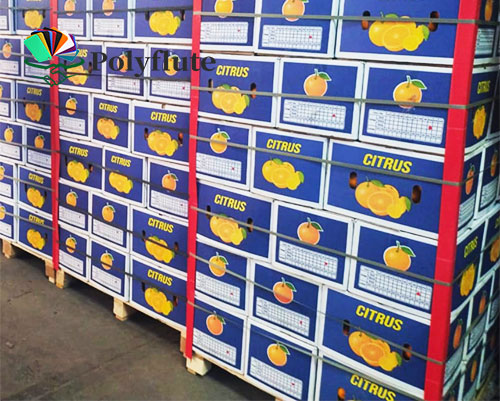
In modern packaging and logistics, corflute boxes have become one of the most practical and versatile solutions for industries that require lightweight yet durable containers. Made from corrugated plastic sheets (polypropylene), these boxes are widely used across agriculture, retail, warehousing, manufacturing, and e-commerce due to their strength-to-weight ratio and resistance to moisture and chemicals.
Unlike traditional cardboard packaging, corflute boxes are designed for repeated use, making them a cost-efficient and environmentally conscious choice for businesses that prioritize long-term operational efficiency. Their structure allows them to withstand impact, humidity, and temperature variations without losing integrity.
This article explores everything you need to know about corflute packaging solutions, including their structure, advantages, applications, manufacturing process, and buying considerations.

Corflute boxes are storage or transport containers made from corflute sheets, also known as corrugated plastic sheets or twin-wall polypropylene boards. These sheets feature a fluted internal structure sandwiched between two flat layers, giving the material rigidity while remaining lightweight.
Key characteristics include:
Because of these features, corflute boxes are commonly used as an alternative to cardboard, wood, or metal containers in industries that require hygienic and durable packaging.
One of the biggest advantages of corflute boxes is their excellent strength-to-weight ratio. Despite being lightweight, they can support heavy loads without deformation, making them ideal for transportation and storage.
Unlike cardboard packaging, corflute does not absorb water. This makes corflute box suitable for cold storage, outdoor logistics, and environments with high humidity.
Polypropylene material provides resistance against oils, acids, and most industrial chemicals. This ensures that corflute packaging maintains structural integrity in demanding industrial environments.
Corflute boxes are designed for multiple reuse cycles. They do not tear easily, which significantly reduces packaging replacement costs over time.
The smooth plastic surface allows for quick cleaning and sanitation, making these boxes suitable for food-related industries and hygiene-sensitive applications.
Manufacturers can easily customize corflute packaging in terms of size, thickness, color, printing, and structural design to meet specific industry requirements.
The versatility of corflute boxes makes them suitable for a wide range of industries. Below are some of the most common applications:
Their ventilation options and moisture resistance help preserve product freshness during transport.
The lightweight nature of corflute reduces shipping costs while maintaining product safety.
Corflute boxes provide excellent protection against dust, oil, and mechanical damage.
Their hygienic and washable properties make them ideal for food-grade applications.
Their structural stability allows safe stacking in warehouses, optimizing storage space.

Different industries require different packaging configurations. Corflute boxes come in several types based on structure and function:
These boxes can be collapsed when not in use, saving storage space and reducing logistics costs.
Designed with reinforced corners and lids, these are ideal for warehouse stacking systems.
Customized with logos, labels, or handling instructions for branding and identification.
Made with thicker sheets (5mm–10mm), suitable for industrial loads and bulk storage.
Internal partitions help organize small components or fragile items during transport.
The production of corflute boxes involves several key steps:
Raw polypropylene resin is melted and extruded into twin-wall corrugated sheets.
Sheets are cut into precise dimensions based on box design requirements.
The panels are folded and heat-welded or ultrasonically bonded to form box structures.
Custom branding, instructions, or barcodes can be printed using UV or screen printing technology.
Finished products undergo strength, load, and dimensional checks before packaging.
This streamlined production process allows manufacturers to produce corflute boxes efficiently at scale.
Understanding the differences helps businesses choose the right packaging solution:
| Feature | Corflute Boxes | Cardboard Boxes |
|---|---|---|
| Durability | High | Low to medium |
| Water resistance | Excellent | Poor |
| Reusability | High | Limited |
| Cost efficiency (long term) | High | Low |
| Weight | Very light | Light |
| Environmental resistance | Strong | Weak |
While cardboard is cheaper upfront, corflute boxes provide better long-term value due to durability and reusability.
When selecting corflute boxes, it is important to evaluate both operational requirements and environmental conditions to ensure optimal performance and cost efficiency throughout the product lifecycle.
Determine the maximum weight the box must support during transport or storage. This includes not only static load but also dynamic stress caused by stacking, vibration, and handling during logistics operations. For heavier industrial applications, reinforced base structures and double-layer corrugation may be required to prevent deformation or collapse under pressure.
Common thickness ranges from 2mm to 10mm depending on application requirements. Thicker sheets generally provide higher rigidity and impact resistance, making them suitable for heavy-duty industrial use, while thinner options are ideal for lightweight packaging and short-distance transportation where flexibility and cost savings are prioritized.
For cold storage, humid environments, or outdoor logistics, choose UV-resistant and waterproof variants. Exposure to sunlight, freezing temperatures, or chemical environments can affect material stability over time, so selecting the correct formulation ensures long-term durability and prevents brittleness or warping.
Ensure compatibility with pallet systems, shelving, and transport vehicles. Standardized sizing improves stacking efficiency, reduces wasted space, and enhances automation compatibility in modern warehouse systems. Custom dimensions may also be required for irregular or fragile products to maximize protection during transit.
Consider whether printing, labeling, color coding, or internal dividers are required. Custom structural inserts can significantly improve product separation and reduce damage rates, especially in industries handling small components or high-value goods. Branding elements can also enhance product identification and professional presentation.
For closed-loop logistics systems, choose reinforced and stackable designs that can withstand multiple reuse cycles without structural degradation. High-quality corflute boxes are engineered for repeated handling, and selecting the right reinforcement structure can significantly reduce long-term packaging costs while improving operational sustainability.
Sustainability is becoming a key factor in packaging decisions. Corflute boxes contribute positively in several ways:
Because they are durable and recyclable, corflute packaging supports circular economy practices and reduces environmental footprint in logistics operations.
To maximize the lifespan of corflute boxes, follow these best practices:
Proper handling ensures long-term usability and consistent performance.

Corflute boxes have established themselves as a high-performance packaging solution for industries that require durability, hygiene, and cost efficiency. Their lightweight structure, resistance to environmental factors, and reusability make them a superior alternative to traditional cardboard packaging in many applications.
From agriculture and logistics to retail and manufacturing, corflute packaging continues to play a vital role in optimizing supply chain efficiency while supporting sustainability goals. As industries move toward smarter and more reusable packaging systems, the adoption of corflute boxes is expected to increase significantly in the coming years.