
- Sophia@polyflute.com
- +86 15162372874
- Mon - Sat 8:00-20:00
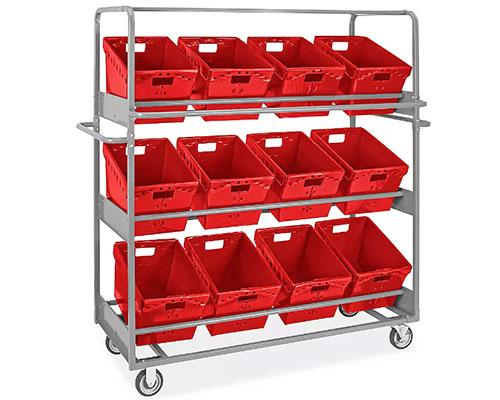
In today’s fast-paced logistics and supply chain environment, warehouse operations are under constant pressure to improve speed, accuracy, and cost efficiency. Order fulfillment cycles are shrinking, SKU complexity is increasing, and labor optimization has become a critical performance metric. Within this operational context, material handling tools play a decisive role in determining overall productivity.
One of the most effective tools used in order fulfillment and inventory handling is the picking tote. A picking tote is a reusable container designed specifically for storing, transporting, and organizing individual order items during the picking process. Unlike generic storage bins, it is engineered for workflow efficiency, ergonomic handling, and seamless integration into warehouse systems.
This article explores the major advantages of using a picking tote in warehouse environments, focusing on operational efficiency, inventory accuracy, ergonomic benefits, automation compatibility, and long-term cost optimization.

Warehouse efficiency is primarily determined by how quickly and accurately workers can pick, stage, and dispatch orders. A structured container system significantly reduces search time and handling delays.
A picking tote plays a critical role in streamlining the picking process by providing a clearly defined space for each order line. Instead of handling loose items or mixed packaging, operators can place products directly into designated totes, reducing confusion and minimizing cross-order contamination.
Key efficiency improvements include:
By standardizing the picking process, warehouses can achieve higher throughput without increasing labor headcount. The structured nature of the system also reduces cognitive load on workers, allowing them to focus on accuracy rather than searching or sorting.
Inventory accuracy is one of the most important KPIs in warehouse management. Errors in picking lead to returns, customer dissatisfaction, and increased operational costs. A controlled handling system significantly reduces these risks.
A picking tote enhances inventory traceability by ensuring that each order or SKU group is physically isolated during the picking cycle. This separation prevents mix-ups and supports better tracking of goods from storage to dispatch.
Advantages for inventory control include:
When integrated with warehouse management systems (WMS), totes can be assigned unique identifiers. This enables real-time tracking of order status, location, and handling progress. As a result, warehouse managers gain greater visibility and control over inventory movement, leading to improved decision-making and reduced shrinkage.
Warehouse labor is physically demanding, and improper handling systems can contribute to fatigue, injuries, and reduced productivity. Ergonomic design is therefore a critical factor in material handling equipment selection.
A well-designed picking tote is optimized for human handling. It typically features reinforced grips, lightweight yet durable construction, and stackable geometry that minimizes unnecessary lifting strain.
Ergonomic benefits include:
From a workforce productivity perspective, ergonomic improvements translate directly into measurable performance gains. Workers can maintain consistent output levels throughout longer shifts, while absenteeism and injury-related downtime are significantly reduced.
Additionally, standardized tote dimensions ensure compatibility with picking carts and shelving systems, further reducing unnecessary physical effort and improving motion efficiency.
Warehouse real estate is expensive, and maximizing cubic storage capacity is a key operational priority. Efficient use of vertical and horizontal space directly impacts storage costs and operational scalability.
A picking tote is typically designed to be stackable and modular, allowing warehouses to optimize storage density both in static storage zones and dynamic picking areas. This modularity enables better organization of SKUs while maintaining quick accessibility.
Space optimization benefits include:
By improving spatial organization, warehouses can increase SKU capacity without expanding physical infrastructure. This is especially valuable in urban fulfillment centers where space constraints are a major operational challenge.

The evolution of warehouse technology has led to widespread adoption of automation, robotics, and data-driven logistics systems. Material handling components must therefore be compatible with these technologies to remain relevant in modern operations.
A picking tote is highly adaptable to automated systems such as conveyor belts, sortation systems, automated storage and retrieval systems (AS/RS), and robotic picking arms. Its standardized dimensions and structural consistency make it ideal for machine handling.
Automation-related advantages include:
In smart warehouses, totes can be equipped with digital tracking tags, enabling real-time location monitoring and predictive inventory management. This improves responsiveness and allows for dynamic optimization of warehouse operations based on demand fluctuations.
As automation continues to evolve, standardized container systems will remain essential for bridging human labor and machine-driven processes.
Cost control is a fundamental objective in warehouse management. While initial investment in structured handling systems may appear higher than generic alternatives, long-term savings are substantial.
A picking tote contributes to cost reduction in multiple ways:
Durability is a key factor. Most industrial totes are manufactured from high-strength polymers designed to withstand repeated use in demanding environments. This reusability significantly reduces ongoing packaging and replacement costs.
Additionally, improved accuracy and faster fulfillment cycles lead to better customer satisfaction, which indirectly reduces costs associated with complaints, refunds, and reverse logistics.
Modern warehouses often handle multi-channel distribution, including e-commerce, retail replenishment, and wholesale orders. This complexity requires a flexible system for managing diverse order profiles simultaneously.
A picking tote supports efficient order consolidation by enabling structured separation of items belonging to different orders or shipments. This ensures that products remain organized throughout the entire fulfillment cycle.
Operational advantages include:
By maintaining clear physical separation of order components, warehouses can streamline downstream packing and shipping processes, reducing bottlenecks and improving throughput.
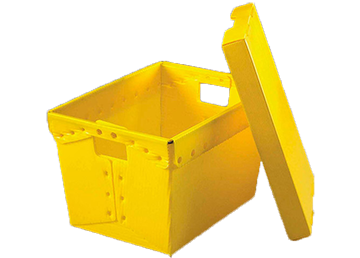
As warehouse operations continue to evolve toward higher automation, greater SKU complexity, and faster fulfillment expectations, the importance of structured material handling systems becomes increasingly evident.
A picking tote is not just a storage container but a strategic operational asset that enhances efficiency, accuracy, ergonomics, and scalability across the entire warehouse ecosystem. Its ability to integrate with both manual workflows and advanced automation systems makes it a foundational component in modern logistics infrastructure.
Organizations that invest in optimized tote-based picking systems can expect measurable improvements in productivity, cost efficiency, and service quality. In a competitive supply chain landscape, these advantages translate directly into stronger operational performance and improved customer satisfaction.