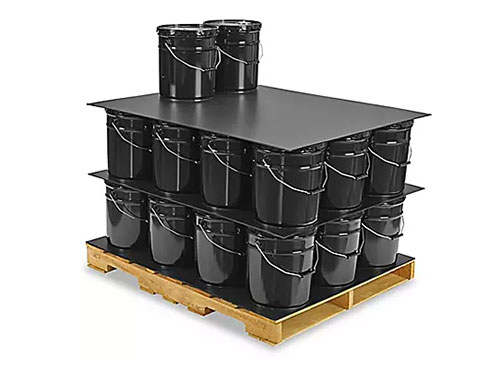
PP Pallet Pads for Modern Packaging Protection

0 Comments

In modern logistics and supply chain operations, product protection during storage and transportation is a critical requirement. One of the most practical and cost-effective solutions used across industries is pallet pads. These protective sheets are placed between layers of goods or on pallet surfaces to improve stability, prevent damage, and optimize stacking efficiency.

Among different material options, polypropylene (PP) pallet pads have become widely preferred due to their durability, lightweight structure, and resistance to moisture and chemicals. This article provides a comprehensive overview of PP pallet pads, including their structure, benefits, applications, and key considerations for industrial use.

Layer Pads For Pallets

What Are Pallet Pads?

Pallet pads are flat protective sheets designed to be placed on pallets or between stacked product layers. Their primary functions include:

  • Creating a stable barrier between products
  • Preventing friction and surface damage
  • Improving load distribution
  • Enhancing stacking safety during transport
  • Reducing contamination risks from wooden pallets

PP pallet pads are typically made from corrugated polypropylene sheets, which give them strength while keeping them lightweight and flexible.

Why PP Material Is Ideal for Pallet Pads

Polypropylene (PP) is a thermoplastic polymer widely used in industrial packaging due to its balanced mechanical and chemical properties.

Key characteristics of PP material:

  • Lightweight structure with high strength-to-weight ratio
  • Moisture resistance, unaffected by humidity or water exposure
  • Chemical resistance, suitable for industrial environments
  • Reusable and washable, supporting multiple cycles of use
  • Impact resistance, reducing breakage risks during transport
  • Non-toxic and odor-free, suitable for food-related industries

These properties make PP pallet pads significantly more durable and hygienic compared to paper-based or fiber-based alternatives.

Structure of PP Pallet Pads

Most PP pallet pads are manufactured using a corrugated plastic sheet structure, similar to a hollow board design.

Common structural features:

  • Twin-wall or multi-wall design for enhanced strength
  • Hollow channels that reduce weight while maintaining rigidity
  • Smooth or textured surfaces depending on application
  • Edge sealing options to prevent dust or liquid entry
  • Custom thickness range, typically from 2mm to 10mm

The corrugated structure provides excellent load distribution, allowing goods to remain stable even under heavy stacking conditions.

Key Benefits of PP Pallet Pads

1. Excellent Load Stability

PP pallet pads help distribute weight evenly across the pallet surface. This reduces pressure points and prevents product deformation during storage or transportation.

2. Moisture and Water Resistance

Unlike cardboard or fiber-based sheets, PP material does not absorb water. This makes it ideal for:

  • Cold storage environments
  • Humid climates
  • Outdoor logistics operations

3. Reusability and Long Service Life

PP pallet pads can be reused multiple times without losing structural integrity. This reduces packaging waste and lowers long-term operational costs.

4. Easy Cleaning and Maintenance

The smooth surface of polypropylene allows for easy cleaning using water or industrial cleaning agents. This is especially important in industries requiring hygiene control.

5. Chemical Resistance

PP material is resistant to many acids, alkalis, and industrial chemicals, making it suitable for manufacturing and chemical processing environments.

6. Lightweight Handling

Despite their strength, PP pallet pads are lightweight, reducing shipping weight and improving handling efficiency in warehouses.

Common Applications of PP Pallet Pads

PP pallet pads are used across multiple industries where product protection and stacking efficiency are essential.

1. Food and Beverage Industry

  • Layer separation for bottled drinks
  • Protection for packaged food cartons
  • Hygienic pallet base layer for storage

2. Pharmaceutical Industry

  • Clean and contamination-free pallet separation
  • Stability for boxed medical supplies
  • Moisture protection during transport

3. Electronics Industry

  • Anti-scratch separation between electronic components
  • Protection for sensitive equipment packaging
  • Static-resistant options (optional treated PP types)

4. Manufacturing and Industrial Goods

  • Heavy-duty pallet stacking support
  • Protection for metal parts, plastic components, and tools
  • Warehouse storage optimization

5. Retail and Distribution

  • Improved stacking of packaged consumer goods
  • Reduced damage during bulk transportation
  • Better warehouse organization

Types of PP Pallet Pads

Although all PP pallet pads share similar base materials, they can be customized in several ways.

1. Flat PP Sheets

  • Simple structure
  • Used for basic separation and pallet covering
  • Cost-effective option for general use

2. Corrugated PP Pads

  • Hollow structure for added strength
  • Ideal for heavy loads and multi-layer stacking
  • Most widely used type

3. Edge-Sealed Pads

  • Sealed edges prevent dust and liquid entry
  • Suitable for high-hygiene environments

4. Anti-Slip Surface Pads

  • Textured surface improves friction
  • Prevents sliding of stacked goods during transport

pallet pads

Manufacturing Process of PP Pallet Pads

PP pallet pads are produced through a controlled extrusion process.

Main production steps:

  1. Polypropylene resin heating and melting
  2. Extrusion into corrugated sheet form
  3. Cooling and shaping into twin-wall structure
  4. Cutting into required sizes
  5. Surface treatment (optional anti-slip or UV protection)
  6. Edge trimming and quality inspection

This process ensures uniform thickness, strength consistency, and dimensional accuracy.

Standard Sizes and Customization

PP pallet pads can be manufactured in various sizes depending on pallet dimensions and customer requirements.

Common size options:

  • 1000 × 1200 mm
  • 1100 × 1100 mm
  • 1200 × 1200 mm
  • 1200 × 1000 mm
  • Custom sizes available for special pallets

Customization options include:

  • Thickness adjustment (2mm–10mm)
  • Color selection (transparent, black, blue, etc.)
  • Printing or labeling
  • Anti-static treatment
  • UV resistance for outdoor use

Performance Advantages in Logistics

PP pallet pads improve overall logistics efficiency in several ways:

1. Reduced Product Damage

By creating a stable buffer layer, they minimize impact damage during transport.

2. Improved Warehouse Efficiency

Uniform stacking allows better use of vertical storage space.

3. Lower Packaging Costs

Reusable nature reduces the need for single-use packaging materials.

4. Enhanced Safety

Stable pallet loads reduce the risk of collapse or shifting during handling.

PP Pallet Pads vs Traditional Materials

While this article focuses on PP material, it is useful to understand its positioning in the market.

Compared to cardboard:

  • PP is water-resistant, cardboard is not
  • PP is reusable, cardboard is usually single-use
  • PP has higher load capacity

Compared to wood sheets:

  • PP is lighter and easier to handle
  • PP does not splinter or absorb moisture
  • PP is more hygienic

Overall, PP pallet pads provide a more durable and cost-efficient solution in long-term use scenarios.

Environmental and Sustainability Benefits

Modern industries increasingly focus on sustainable packaging solutions. PP pallet pads support these goals in several ways:

  • Reusable for multiple cycles, reducing waste
  • Recyclable material, can be reprocessed into new PP products
  • Reduced dependency on disposable packaging materials
  • Lower transportation emissions due to lightweight design

These factors make PP pallet pads an environmentally responsible packaging choice.

How to Choose the Right PP Pallet Pads

When selecting PP pallet pads for industrial use, consider the following factors:

1. Load Requirements

Heavier goods require thicker or reinforced corrugated structures.

2. Environmental Conditions

Humidity, temperature, and chemical exposure should influence material thickness and treatment.

3. Hygiene Requirements

Food and pharmaceutical industries may require clean, sealed, or easy-wash designs.

4. Frequency of Use

Reusable logistics systems benefit more from higher-grade PP materials.

5. Pallet Dimensions

Ensure precise sizing to avoid overhang or instability.

Maintenance and Usage Tips

To maximize lifespan and performance:

  • Clean regularly with water or mild detergent
  • Avoid exposure to extreme heat sources
  • Store flat to prevent deformation
  • Inspect edges for damage before reuse
  • Avoid overloading beyond rated capacity

Proper maintenance allows PP pallet pads to last for many cycles, improving overall cost efficiency.
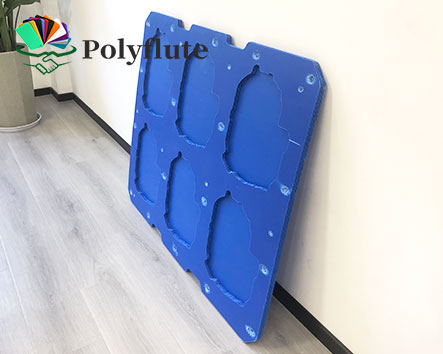
plastic layer pads for pallets

Conclusion

PP pallet pads have become an essential component in modern packaging and logistics systems. Their combination of durability, lightweight structure, moisture resistance, and reusability makes them highly suitable for a wide range of industries.

Whether used in food distribution, pharmaceuticals, manufacturing, or general warehousing, PP pallet pads significantly improve product safety, stacking efficiency, and operational cost control. As global supply chains continue to demand more efficient and sustainable packaging solutions, PP-based pallet pads will remain a key material choice for industrial users worldwide.


| Welcome to contact us now.
We will get back to you within 8 hours. We will offer latest price and free sample.

    -


    Categories:
    Top 5 Coroplast Manufacturer In China

    Top 5 Coroplast Manufacturer In China