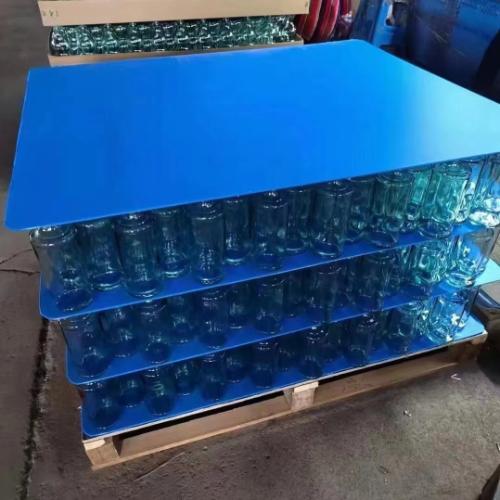
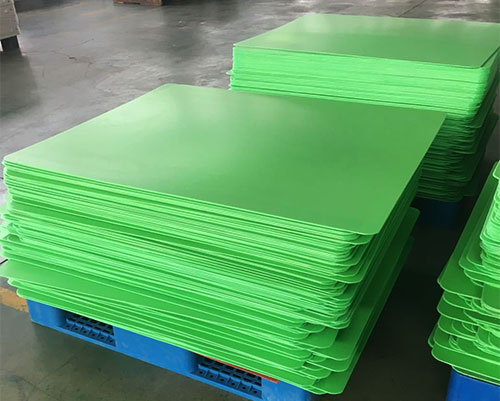
Polyethylene separator sheets are an essential component in a wide variety of industrial, construction, and manufacturing applications. As modern industries continue to demand materials that combine durability, chemical resistance, and versatility, polyethylene separator sheets have emerged as a reliable solution. In this article, we explore what polyethylene separator sheets are, their properties, applications, benefits, and how to choose the right type for your specific needs.

What is a Polyethylene Separator Sheet?
A polyethylene separator sheet is a thin, flat sheet made from polyethylene, a type of thermoplastic polymer known for its toughness, chemical resistance, and flexibility. These sheets serve as a barrier between materials, preventing adhesion, chemical reactions, or contamination during processing, storage, or transportation.
Key Characteristics
- Material: High-density polyethylene (HDPE) or low-density polyethylene (LDPE)
- Thickness: Typically ranges from 0.05 mm to several millimeters, depending on application
- Size: Customizable based on industrial requirements
- Surface Finish: Smooth or textured, depending on the intended use
Polyethylene separator sheets are widely used in industries such as concrete production, chemical manufacturing, electronics, and packaging due to their unique combination of mechanical strength and chemical inertness.
Applications of Polyethylene Separator Sheets
The versatility of polyethylene separator sheets allows them to be used across a broad spectrum of industries. Some of the primary applications include:
1. Concrete and Construction Industry
- Precast Concrete Production: Separator sheets are commonly used to prevent freshly cast concrete from sticking to molds or other surfaces. This ensures smooth surface finishes and reduces the need for chemical release agents.
- Curing Process: Polyethylene sheets act as a moisture barrier during the curing process, preventing rapid water evaporation and ensuring optimal strength development in concrete.
- Expansion Joints: These sheets are often inserted between concrete sections to allow movement and prevent cracking.
2. Manufacturing and Packaging
- Metal Sheets and Panels: Polyethylene separator sheets are placed between metal sheets to prevent scratches and surface damage during storage and transportation.
- Glass and Ceramic Protection: They prevent fragile surfaces from chipping or cracking during handling and shipping.
- Food Packaging: In some cases, food-grade polyethylene sheets are used as separators in layered food packaging to prevent sticking and contamination.
3. Chemical and Industrial Applications
- Chemical Resistance: Polyethylene is resistant to many acids, bases, and solvents, making it ideal as a protective barrier between reactive materials.
- Battery Manufacturing: Separator sheets are critical in lithium-ion battery production, where they prevent internal short-circuits by separating electrodes while allowing ion flow.
- Adhesive and Coating Industries: Used to separate coated products to prevent adhesion before full curing.
4. Electronics and Technology
- Printed Circuit Boards (PCBs): During PCB assembly, separator sheets prevent scratches and maintain component integrity.
- Optical Components: Transparent polyethylene sheets can protect delicate lenses and optical surfaces without interfering with light transmission.

Advantages of Polyethylene Separator Sheets
Polyethylene separator sheets offer several key benefits that make them a preferred choice for industries requiring high performance and reliability:
1. Durability and Strength
- High mechanical strength makes them resistant to tearing, puncturing, and deformation.
- Capable of handling heavy loads when used in construction and manufacturing.
2. Chemical Resistance
- Resistant to a wide range of chemicals, including acids, bases, and solvents.
- Does not react with most industrial chemicals, ensuring safety and material integrity.
3. Moisture Barrier
- Polyethylene sheets provide an effective barrier against moisture, protecting products from water damage or humidity-induced changes.
- Useful in concrete curing, food packaging, and electronics protection.
4. Reusability
- Many polyethylene separator sheets can be cleaned and reused multiple times, reducing operational costs.
- Environmentally friendly compared to single-use alternatives when reused properly.
5. Cost-Effectiveness
- Relatively inexpensive compared to alternative barrier materials like Teflon or silicone sheets.
- Reduces waste and prevents damage, leading to overall savings in industrial processes.
Types of Polyethylene Separator Sheets
Polyethylene separator sheets are available in different types based on density, thickness, and surface properties. Choosing the correct type is crucial for optimal performance.
1. High-Density Polyethylene (HDPE) Sheets
- Properties: Strong, rigid, resistant to impact and wear.
- Applications: Heavy-duty construction, metal sheet separation, industrial packaging.
- Advantages: Long-lasting and capable of handling higher mechanical stress.
2. Low-Density Polyethylene (LDPE) Sheets
- Properties: Flexible, soft, excellent for wrapping and delicate surfaces.
- Applications: Food packaging, fragile glass or ceramic protection, battery separators.
- Advantages: Conforms to irregular surfaces and provides better cushioning.
3. Textured vs. Smooth Surface Sheets
- Smooth Surface: Reduces friction, ideal for stacking and sliding materials.
- Textured Surface: Provides better grip to prevent slippage of products during storage or transport.
4. Coated Polyethylene Sheets
- Properties: Some sheets have coatings like silicone or anti-static layers.
- Applications: Specialized uses in electronics, battery production, and high-temperature applications.
How to Choose the Right Polyethylene Separator Sheet
Selecting the correct polyethylene separator sheet depends on your industry requirements, environmental conditions, and intended application. Consider the following factors:
1. Thickness and Density
- Thicker sheets provide better protection but may be less flexible.
- HDPE is preferred for heavy-duty applications, while LDPE is ideal for delicate surfaces.
2. Chemical Exposure
- If materials come into contact with harsh chemicals, ensure the sheet is compatible and resistant.
3. Temperature Conditions
- Check the thermal resistance of the sheet, especially for applications involving heat during curing or processing.
4. Surface Finish
- Smooth sheets are suitable for sliding or stacking applications.
- Textured sheets are better for preventing slippage.
5. Environmental and Safety Considerations
- Food-grade sheets must comply with safety regulations for food contact.
- For industrial applications, check for compliance with relevant safety standards.
Installation and Maintenance Tips
Proper installation and maintenance of polyethylene separator sheets can enhance their performance and longevity:
- Cutting: Use sharp blades to prevent tearing and uneven edges.
- Positioning: Ensure the sheet fully covers the area to prevent contact between materials.
- Cleaning: Wash with mild detergents and avoid abrasive cleaning tools.
- Storage: Store sheets flat in a dry, cool area to prevent warping or deformation.
Innovations in Polyethylene Separator Sheets
Recent advancements in polyethylene technology have introduced new possibilities for separator sheets:
- Anti-Static Sheets: Reduce static electricity build-up in electronics manufacturing.
- Reinforced Sheets: Incorporate fibers for added strength in heavy-duty applications.
- Environmentally Friendly Options: Biodegradable polyethylene sheets and recyclable options are increasingly available.
Case Studies and Industry Examples
Case Study 1: Precast Concrete Industry
A precast concrete manufacturer replaced traditional release agents with polyethylene separator sheets. Benefits included:
- Smoother concrete surfaces
- Reduced use of chemical agents
- Cost savings due to sheet reusability
Case Study 2: Electronics Manufacturing
In PCB assembly, polyethylene sheets were used to separate boards during production. Results:
- No surface scratches
- Easier handling and storage
- Improved product quality and reduced defects
Case Study 3: Food Industry
In a bakery, food-grade polyethylene separator sheets were used between layers of baked goods:
- Prevented sticking
- Maintained hygiene standards
- Reduced waste and improved operational efficiency
Conclusion
Polyethylene separator sheets are versatile, cost-effective, and durable materials widely used across construction, manufacturing, chemical, and electronics industries. Their ability to act as a barrier against adhesion, chemical reactions, and moisture makes them indispensable in modern industrial processes. By understanding the types, benefits, and applications of polyethylene separator sheets, businesses can make informed decisions to improve product quality, reduce damage, and optimize costs.
Choosing the right sheet involves assessing thickness, density, chemical resistance, and surface finish, while proper installation and maintenance ensure longevity. Innovations in material technology continue to expand their utility, making polyethylene separator sheets an essential component in numerous industries.
| Welcome to contact us now.
We will get back to you within 8 hours. We will offer latest price and free sample.