
- Sophia@polyflute.com
- +86 15162372874
- Mon - Sat 8:00-20:00
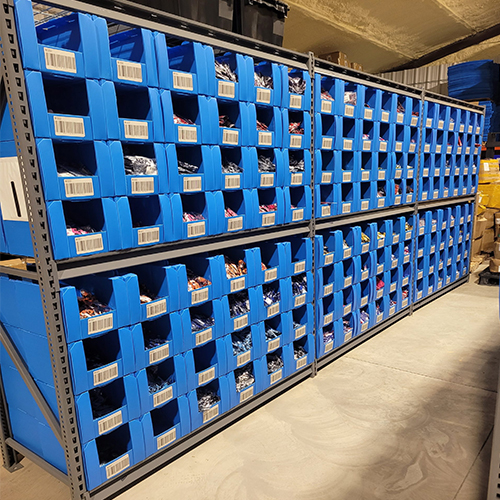
Efficient storage is the backbone of a well-organized warehouse. Among the many storage solutions available, warehouse parts bins stand out as one of the most versatile and practical options. They offer a straightforward way to store, sort, and access small to medium-sized components, making daily operations smoother and more efficient. Choosing the right parts bins, however, requires careful consideration of various factors, from size and material to layout and usage. This article will guide you through the key aspects of selecting warehouse parts bins to ensure maximum efficiency and cost-effectiveness.

Before diving into the selection process, it’s important to understand what warehouse parts bins are and why they are essential. Parts bins are containers designed to store individual components, tools, or materials in an organized manner. They prevent loss, reduce clutter, and allow for easy inventory tracking. Bins come in a wide range of sizes, materials, and configurations, suitable for different warehouse environments and operational needs.
The primary purpose of parts bins is to improve accessibility. When each component has a designated bin, workers can quickly find what they need without wasting time searching through piles of inventory. Additionally, bins help maintain inventory accuracy, which is crucial for order fulfillment and production efficiency.
Selecting the right warehouse parts bins involves evaluating several important factors. Making the wrong choice can lead to inefficiencies, higher costs, and operational frustration. Here are the most critical considerations:
Warehouse parts bins are typically made from plastic, metal, or a combination of materials. The choice of material affects durability, weight, cost, and suitability for the items being stored:
Choosing the correct material ensures longevity and protects your investment.
The size and capacity of a bin are fundamental to warehouse organization. Too small, and you’ll need multiple bins for the same item, creating clutter. Too large, and the bin may be underutilized, wasting space.
When selecting bin sizes, consider your inventory turnover and the dimensions of the items to be stored. Modular systems with multiple bin sizes are often the most flexible solution.
Visibility and accessibility are essential for warehouse efficiency. Bins that allow workers to see the contents without opening them save time and reduce errors:
Accessibility also affects worker ergonomics. Bins should be placed at heights that minimize bending or reaching to improve comfort and reduce injury risk.
In warehouses where space is limited, stackable parts bins are a practical solution. Stackable bins maximize vertical space and create organized rows on shelves or racks.
Optimizing vertical and horizontal space helps reduce the warehouse footprint and improve inventory visibility.
Durability is crucial when selecting warehouse parts bins, especially in high-traffic or industrial environments. Consider the following:
Investing in durable bins reduces replacement costs and ensures consistent performance over time.
Some warehouses have unique storage requirements that standard bins cannot meet. Specialized bins can address these needs efficiently:
Tailoring the bin type to your warehouse’s specific operational needs improves workflow and reduces errors.
Cost is always a factor in warehouse management. While it’s tempting to choose the cheapest option, it’s more important to balance cost with durability and functionality. Consider the total cost of ownership, which includes:
Choosing high-quality bins upfront can save money in the long run by reducing replacements and improving operational efficiency.
When selecting storage solutions, it’s important to consider how they will integrate with your current warehouse setup. Bins should be compatible with existing shelving, racks, or automated retrieval systems. Easy integration reduces downtime during setup and ensures a smoother transition. Additionally, consider whether the bins can accommodate future expansion or changes in inventory types. Flexible systems allow you to reorganize or add units without disrupting workflow, helping maintain long-term efficiency and operational consistency.
Selecting the right bins is only part of the solution. Proper organization is equally important to ensure maximum efficiency. Here are some best practices:
These strategies maximize the efficiency of your warehouse parts bins and reduce the risk of misplacement or stock discrepancies.

Choosing the right warehouse parts bins is a critical step toward an organized, efficient, and productive warehouse. By considering factors such as material, size, accessibility, stackability, durability, and specialized needs, you can select bins that not only store items effectively but also streamline daily operations. Additionally, implementing proper organization strategies and best practices ensures that the bins serve their full potential, ultimately improving workflow, reducing errors, and increasing overall warehouse productivity.
Investing time and resources into selecting the right parts bins will pay off in operational efficiency and long-term cost savings. When warehouse components are well-organized and easily accessible, your team can focus on what matters most: fulfilling orders, maintaining production schedules, and supporting business growth.