
- Sophia@polyflute.com
- +86 15162372874
- Mon - Sat 8:00-20:00
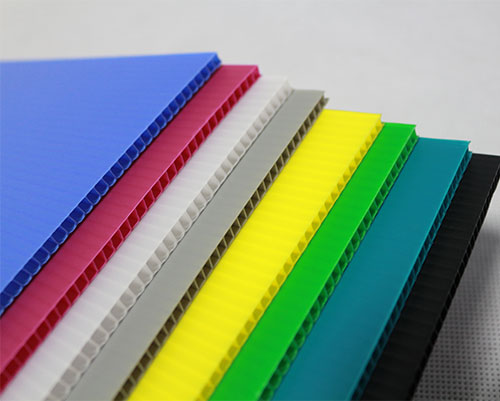
In construction, packaging, and industrial applications, large-format sheet materials play an essential role due to their durability and versatility. Among the most commonly used standard dimensions in North America is 48 x 96 corrugated sheets, which corresponds to the widely recognized 4 ft by 8 ft format.
These sheets are valued for their balance of strength, lightweight structure, and ease of fabrication. They are used across roofing, wall cladding, signage, temporary structures, and protective packaging. Depending on material composition, performance characteristics can vary significantly, making it important to understand the main categories available on the market.
This article explores the primary types, applications, and selection criteria for corrugated sheet materials in this standard size format.
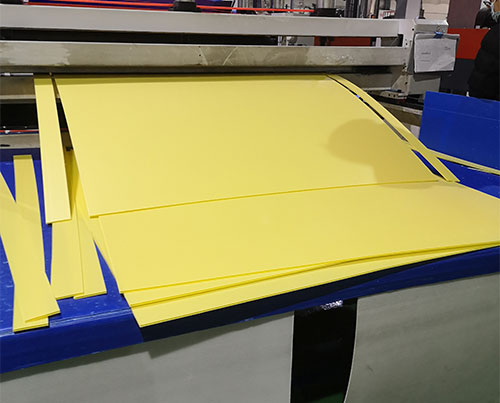
Corrugated sheets are panel materials characterized by a repetitive wave-like pattern. This structure enhances rigidity while minimizing material usage, resulting in a strong yet lightweight product.
Key structural advantages include:
These properties make corrugated sheets suitable for both temporary and permanent applications in residential, commercial, and industrial environments.
Plastic-based corrugated panels are among the most widely used options due to their versatility and weather resistance. Typically manufactured from polypropylene (PP) or polyethylene (PE), they are lightweight yet durable. These sheets can be produced in various colors, thicknesses, and surface finishes, allowing for customization according to specific project needs. Their smooth surface also makes them ideal for printing graphics, logos, or messages, which is why they are heavily used in advertising and signage industries.
When discussing 48 x 96 corrugated sheets, plastic variants are especially popular in signage, packaging, and temporary construction barriers. They can withstand prolonged exposure to sunlight and rain without significant degradation, making them suitable for both indoor and outdoor applications. In addition, their insulating properties offer some thermal and sound protection, adding value in construction or protective applications.
Plastic corrugated panels are particularly favored in environments where moisture resistance and flexibility are more important than extreme load-bearing capacity. Their adaptability, low maintenance requirements, and cost-effectiveness make them a go-to solution for a wide range of industrial, commercial, and domestic applications.

Metal-based corrugated panels are known for their superior strength and long-term durability. They are commonly made from steel or aluminum and are widely used in roofing and structural applications.
In industrial construction, 48 x 96 corrugated sheets made of metal are often selected for their ability to withstand harsh environmental conditions.
Metal corrugated panels are ideal where long-term durability and load resistance are required, especially in outdoor environments exposed to wind, rain, and temperature fluctuations.
PVC corrugated panels offer a balance between rigidity and flexibility, making them a popular choice in both commercial and residential applications. They are often used where transparency or semi-transparency is needed.
For mid-range construction and covering systems, 48 x 96 corrugated sheets made from PVC provide a practical solution.
PVC corrugated materials are especially useful in environments that require natural light transmission while still offering protection from weather elements.
Fiber cement is a composite material made from cement reinforced with cellulose fibers. It is widely used in construction due to its durability and resistance to environmental stress.
When used in roofing and exterior systems, 48 x 96 corrugated sheets made from fiber cement are known for their stability and long-term performance.
Fiber cement corrugated sheets are often chosen where safety, longevity, and resistance to environmental degradation are top priorities.
Although not used in structural construction, cardboard corrugated panels are essential in packaging and logistics. They are lightweight, cost-effective, and highly customizable.
In shipping and warehousing systems, 48 x 96 corrugated sheets made of cardboard are widely used as protective and structural packaging materials.
Cardboard corrugated materials remain a cornerstone of global logistics due to their affordability and sustainability.
Selecting the appropriate corrugated sheet depends on the intended application, environment, and performance requirements.
Key decision factors include:
By evaluating these factors, users can ensure optimal performance and long-term value.
The popularity of corrugated sheets in the 4×8 size format is not accidental. This standard dimension aligns with common construction and manufacturing systems.
Benefits include:
This standardization helps reduce labor costs and simplifies project planning across industries.
Proper installation ensures maximum performance and longevity of corrugated panels.
Best practices include:
Following these guidelines helps maintain structural integrity and appearance over time.
Corrugated sheet materials are essential across industries due to their strength, adaptability, and cost efficiency. Whether used in construction, agriculture, packaging, or signage, different material types serve distinct functional needs.
From lightweight plastic to heavy-duty metal and composite fiber cement solutions, each category offers specific advantages depending on application requirements. Understanding these differences allows for more efficient material selection and better long-term performance outcomes.
Ultimately, 48 x 96 corrugated sheets remain one of the most practical and widely adopted standard formats, supporting a broad range of industrial and commercial uses.