
- Sophia@polyflute.com
- +86 15162372874
- Mon - Sat 8:00-20:00
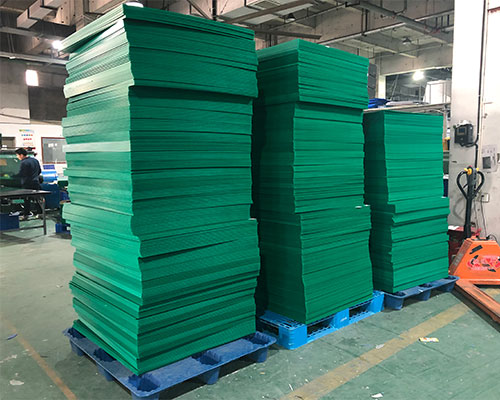
The corrugated plastic sheet 48 x 96 is one of the most commonly used rigid plastic panels across construction, packaging, signage, agriculture, and industrial protection applications. Its standard 4 ft × 8 ft size makes it easy to replace plywood or cardboard in many lightweight and moisture-sensitive environments.
Because of its wide usage, understanding the corrugated plastic sheet 48 x 96 price is important for buyers, distributors, and project managers who want to optimize material costs while maintaining performance and durability.
This article provides a complete breakdown of pricing, influencing factors, market ranges, and practical buying advice.
A corrugated plastic sheet is typically made from polypropylene (PP) and features a hollow twin-wall structure. The internal fluted design provides strength while keeping the material lightweight.
The 48 x 96 inch format is the industry standard full sheet size, widely used in North America and international trade.
Because of these properties, corrugated plastic sheets are often considered a cost-effective alternative to plywood, MDF, and cardboard.
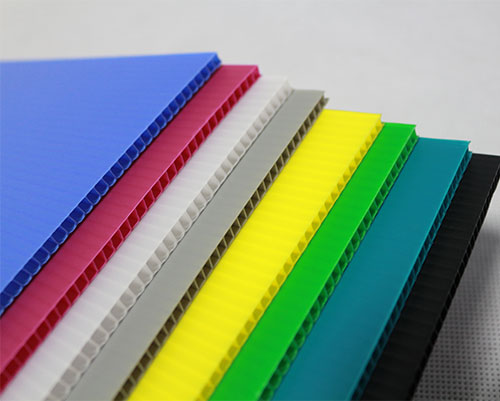
The corrugated plastic sheet 48 x 96 price can vary significantly depending on thickness, raw material quality, and order quantity.
These prices can fluctuate based on supply chain conditions, resin cost, and regional market differences.
In wholesale markets, bulk orders may reduce unit prices by 20%–40%, especially for pallet-level purchases.
These are the lightest and most economical options.
Price range: $12 – $30
Typical use cases include:
This is the most widely used category in the market.
Price range: $25 – $65
This thickness is often the default choice for commercial buyers due to its versatility.
These are industrial-grade panels designed for demanding environments.
Price range: $45 – $120+
Common applications include:
The cost of polypropylene resin directly affects pricing.
High-end industrial applications typically require virgin material for consistency and performance.
Thickness is the most direct pricing factor.
Even a small increase in thickness can significantly change the final price.
Different surface types affect production complexity:
Smooth printable sheets often carry a premium cost.
Outdoor applications require UV-stabilized sheets.
Color also influences pricing:
Transparent or specialty colors are typically more expensive due to production complexity.
Volume is one of the biggest price reducers.
Large-scale buyers often negotiate custom pricing with manufacturers.
Different supply channels create different pricing levels:
Working directly with factories usually provides the most stable pricing.
Understanding production helps explain pricing structure.
Polypropylene resin is melted and extruded into flat sheets.
The molten material is shaped into a twin-wall fluted structure.
Sheets are cooled to maintain structural integrity.
Standard sizes like 48 x 96 inches are cut for distribution.
UV coating, corona treatment, or printing-ready finishes may be added.
Each additional processing step increases cost.
Corrugated plastic offers a balance of durability, weight, and cost efficiency, making it a preferred choice in many industries.

Purchasing in large quantities reduces per-sheet cost significantly.
Avoid over-specifying thickness for simple applications.
White sheets are typically the most cost-effective.
Eliminates distributor markups.
Flat-packed pallets reduce transportation costs.
Used for floor and wall protection during renovation, renovation transport shielding, and temporary site barriers. Thicker sheets are often chosen for heavy traffic areas to improve durability and reduce replacement frequency.
Used for yard signs, display boards, and retail signage. Smooth surface sheets are preferred for better printing quality and sharper visual results, especially for outdoor advertising.
Used for plant protection and reusable storage panels. Moisture resistance and weather durability are key factors, with UV-treated sheets often selected for outdoor farming environments.
Used as dividers, pallet layers, and reusable containers. Repeated handling requires stronger grades to avoid cracking or deformation during transport cycles.
Each application has different durability requirements, influencing pricing decisions.
Several global trends influence the corrugated plastic sheet 48 x 96 price:
Sustainability requirements are also driving demand for reusable and recyclable plastic panels.
Most sheets range from $25 to $65 depending on thickness and quality.
4mm sheets are the most widely used due to their balance of strength and cost.
Yes, they are designed for multiple uses and long-term durability.
Yes, especially UV-resistant versions designed for long exposure.
Yes, bulk purchasing can reduce cost by up to 40%.

The corrugated plastic sheet 48 x 96 price is influenced by multiple factors including thickness, material quality, surface treatment, color, and order volume. Prices typically range from $12 for basic thin sheets to over $120 for heavy-duty industrial panels.
For most buyers, the 4mm standard sheet offers the best overall value, balancing cost efficiency with durability and versatility. However, the optimal choice always depends on the specific application and expected service life.
By understanding the pricing structure and market dynamics, buyers can make more informed decisions and significantly reduce material costs in both small and large-scale projects.