
- Sophia@polyflute.com
- +86 15162372874
- Mon - Sat 8:00-20:00
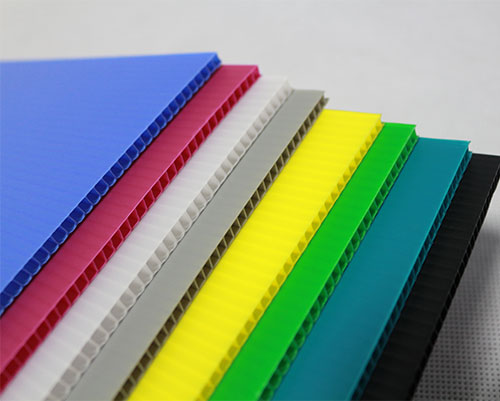
Corrugated plastic 48 x 96 sheets have become a widely used material across packaging, printing, construction, and industrial applications. Known for their durability, versatility, and cost efficiency, these large-format plastic sheets offer significant advantages over traditional materials such as cardboard, plywood, and foam board.
This article explores the main advantages of corrugated plastic 48 x 96 and why it has become a preferred solution for manufacturers, advertisers, and logistics professionals worldwide.
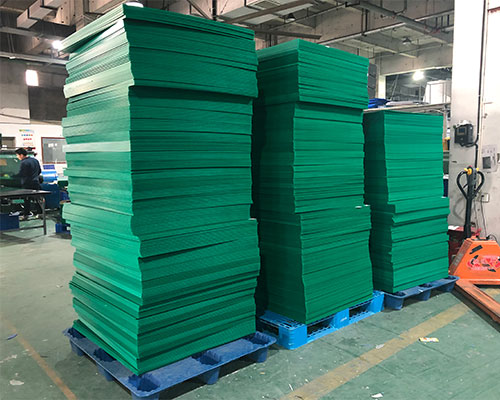
Corrugated plastic is a lightweight, twin-wall polypropylene sheet designed with a fluted structure between two flat surfaces. The standard size of 48 x 96 inches (4 ft x 8 ft) is one of the most commonly used formats in industrial and commercial applications because it aligns with standard cutting, printing, and pallet dimensions.
Key characteristics include:
The 48 x 96 format enhances efficiency in production and transportation, making it suitable for bulk applications.
One of the most important advantages of corrugated plastic 48 x 96 sheets is their high durability. The fluted internal structure provides strong resistance to bending, crushing, and impact.
Benefits include:
Unlike cardboard, which weakens when compressed or exposed to moisture, corrugated plastic retains its structural integrity in demanding environments.
Despite its strength, corrugated plastic is extremely lightweight. This combination of strength and low weight makes it highly efficient for logistics and manufacturing operations.
Advantages include:
For large 48 x 96 sheets, this weight advantage becomes even more significant, especially in bulk transportation scenarios.
Corrugated plastic 48 x 96 sheets are completely resistant to water, humidity, and most weather conditions. This makes them suitable for both indoor and outdoor applications.
Key benefits:
This is a major advantage over cardboard and wood-based materials, which degrade quickly in wet or humid environments.
One of the reasons corrugated plastic 48 x 96 is so popular is its wide range of applications across different industries.
Common uses include:
Packaging Industry
Advertising & Signage
Industrial Use
Construction
Its adaptability makes it a go-to material for both temporary and semi-permanent applications.
Corrugated plastic 48 x 96 sheets are highly customizable. They can be easily cut, folded, drilled, and printed using standard tools and equipment.
Advantages:
This flexibility allows manufacturers and designers to quickly create custom solutions without specialized machinery.
Compared to alternative materials such as wood, aluminum, or foam boards, corrugated plastic is significantly more cost-effective.
Cost benefits include:
For businesses handling large volumes of packaging or signage, the 48 x 96 format helps optimize material usage and reduce waste.
Sustainability is an increasingly important factor in material selection. Corrugated plastic offers a reusable and recyclable solution.
Environmental advantages:
While not biodegradable, its durability and reusability contribute to reducing environmental impact over time.
Corrugated plastic 48 x 96 sheets are resistant to many chemicals, oils, and solvents. This makes them suitable for industrial environments where exposure to harsh substances is common.
Benefits:
This property significantly expands its usability in manufacturing and processing industries.
For signage and marketing applications, corrugated plastic provides a smooth and consistent surface that supports high-quality printing.
Advantages:
This makes the 48 x 96 size especially popular for large-format advertising displays and promotional signage.
The 48 x 96 dimension is not random—it aligns with industry standards, making it highly efficient for production and logistics.
Why this size matters:
This standardization helps businesses streamline production workflows and reduce operational inefficiencies.
To better understand the advantages of corrugated plastic 48 x 96, it helps to compare it with common alternatives used in packaging, signage, and industrial applications. Each material has its strengths, but corrugated plastic consistently performs better in environments requiring durability, moisture resistance, and reusability.
| Material | Strength | Water Resistance | Weight | Reusability | Cost Efficiency | Best Use Case |
|---|---|---|---|---|---|---|
| Corrugated Plastic | High | Excellent | Lightweight | High | High (long-term) | Packaging, signage, industrial protection |
| Cardboard | Low–Medium | Poor | Very lightweight | Low | Very low (short-term) | Short-term packaging, shipping boxes |
| Wood | High | Medium–Low | Heavy | Medium | Medium | Construction, heavy-duty crates |
| Foam Board | Low | Medium | Very lightweight | Low | Medium | Indoor signage, displays |
Beyond these direct comparisons, corrugated plastic 48 x 96 sheets also stand out because they combine industrial usability with customization flexibility. They can be repeatedly printed, cleaned, and reshaped without losing performance. This makes them especially suitable for businesses that require consistent branding materials or reusable transport packaging over long production cycles.
To maximize performance and lifespan, consider the following practices:
Proper handling ensures optimal performance and durability.
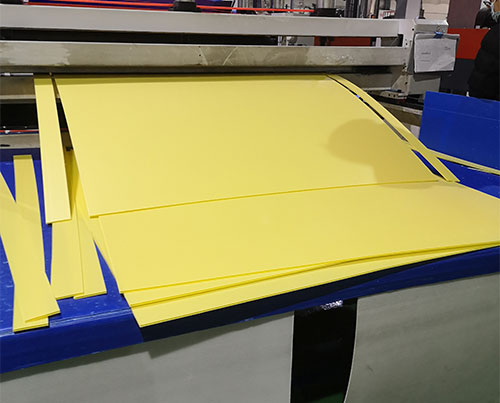
Corrugated plastic 48 x 96 sheets offer a powerful combination of strength, lightweight structure, weather resistance, and cost efficiency. Their versatility across packaging, signage, industrial, and construction applications makes them one of the most practical materials available today.
From reducing logistics costs to enabling high-quality printing and long-term reuse, the advantages of corrugated plastic 48 x 96 make it an ideal solution for businesses seeking reliable and efficient material performance.
As industries continue to demand more durable and sustainable alternatives to traditional materials, corrugated plastic remains a strong contender for modern applications.