
- Sophia@polyflute.com
- +86 15162372874
- Mon - Sat 8:00-20:00

Warehousing operations have evolved significantly over the past few decades. With the rise of e-commerce, just-in-time inventory, and increasingly complex supply chains, warehouse managers are constantly seeking innovative solutions to optimize space, improve efficiency, and reduce operational costs. Among the tools that have become indispensable in modern warehouses are stackable pick bins. These storage solutions not only help organize inventory but also streamline the picking process, which is critical for warehouse productivity.
In this article, we will explore everything you need to know about stackable pick bins for warehouses, from their design and advantages to practical applications, maintenance tips, and selection considerations.

Stackable pick bins are durable, often modular containers designed for storing small to medium-sized items in warehouses. They are made from materials such as plastic, metal, or a combination of both, and are specifically engineered to be stackable, meaning they can be placed on top of one another safely without compromising stability.
Unlike standard storage bins, stackable pick bins often come with features that enhance warehouse operations:
The versatility and practicality of these bins make them a go-to choice for warehouses of all sizes, from small distribution centers to massive fulfillment hubs.
Implementing stackable pick bins in warehouses offers a multitude of advantages. Here are some of the most notable benefits:
Space is one of the most critical constraints in warehouses. With limited floor space, efficient vertical storage solutions become vital. Stackable pick bins allow warehouse managers to maximize vertical space, stacking multiple bins safely to increase storage density. This reduces clutter and frees up valuable aisle space for equipment and personnel movement.
Picking errors are a significant issue in warehouse operations. With stackable pick bins, items are clearly visible and easily accessible, which reduces the time employees spend searching for products. Open-front designs allow pickers to grab items quickly, improving order fulfillment speed and accuracy.
Inventory control becomes much easier when items are organized in stackable pick bins. With labeled and color-coded bins, warehouse staff can quickly identify stock levels, reducing the likelihood of stockouts or overstocking. Additionally, many modern warehouses integrate these bins with warehouse management systems (WMS), using barcodes or RFID tags for real-time inventory tracking.
Heavy or unstable storage setups can pose safety hazards. Stackable pick bins are engineered to be stable when stacked correctly, reducing the risk of accidents. Their sturdy construction ensures that even when stacked high, the bins remain secure, protecting both employees and inventory.
Warehouse requirements are rarely static. As inventory fluctuates, storage systems need to adapt. Stackable pick bins offer scalability. They can be easily rearranged, added, or removed based on changing inventory levels. Their modular design allows warehouses to expand or reconfigure storage without significant infrastructure changes.
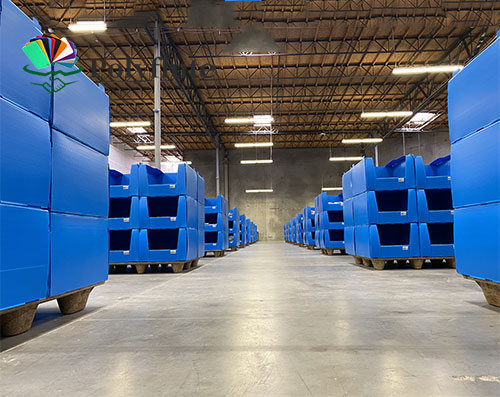
Choosing the right stackable pick bins for warehouses depends largely on the type of items being stored, the weight of the products, and the operational environment. Here’s a breakdown of common materials and design features:
Some manufacturers offer bins with a metal frame and plastic containers, combining the durability of metal with the lightweight and flexibility of plastic. These are often used for medium-to-heavy items that require frequent access.
Stackable pick bins are versatile and can be used in various warehouse settings, including:
In e-commerce and retail warehouses, efficiency is critical. Stackable pick bins streamline the picking process, allowing staff to quickly fulfill customer orders, reducing turnaround time, and increasing throughput.
Parts and components need to be easily accessible for assembly lines. Stackable pick bins provide organized storage for small parts, tools, and raw materials, ensuring a smooth manufacturing workflow.
Plastic stackable pick bins are suitable for cold storage environments. Their durability and resistance to moisture make them perfect for storing perishable goods or frozen items while maintaining easy access for pickers.
Heavy-duty bins can hold components, spare parts, and equipment safely. Color-coded bins also facilitate maintenance and operational efficiency in large industrial warehouses.
Choosing the right bins involves considering several factors:
To maximize the lifespan and efficiency of stackable pick bins:
Compared to shelving, pallets, or traditional boxes, stackable pick bins offer several unique advantages:
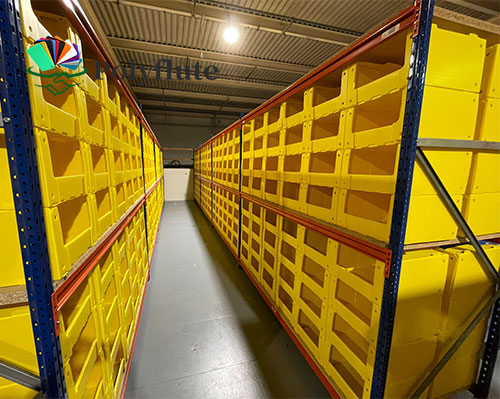
A mid-sized e-commerce warehouse implemented stackable pick bins to organize thousands of small electronic accessories. Before implementing the bins:
After switching to stackable pick bins:
For modern warehouses striving to optimize space, streamline operations, and reduce errors, stackable pick bins are a practical and cost-effective solution. They combine flexibility, durability, and accessibility, making them ideal for a variety of applications—from e-commerce fulfillment to industrial storage. By selecting the right material, design, and configuration, warehouse managers can significantly enhance storage efficiency, improve picking accuracy, and create a safer working environment.
Investing in high-quality stackable pick bins for warehouses is not just about storage; it’s about creating an organized, efficient, and scalable system that supports the long-term growth of your warehouse operations.