
- Sophia@polyflute.com
- +86 15162372874
- Mon - Sat 8:00-20:00

In modern supply chain and logistics operations, optimizing storage and transportation efficiency is more crucial than ever. Among the various solutions available, sleeve pallets have emerged as a versatile and cost-effective choice for businesses across industries. From manufacturing and warehousing to distribution centers, sleeve pallets provide flexibility, durability, and sustainability. This guide will explore everything you need to know about sleeve pallets, their benefits, applications, and tips for choosing the right solution.
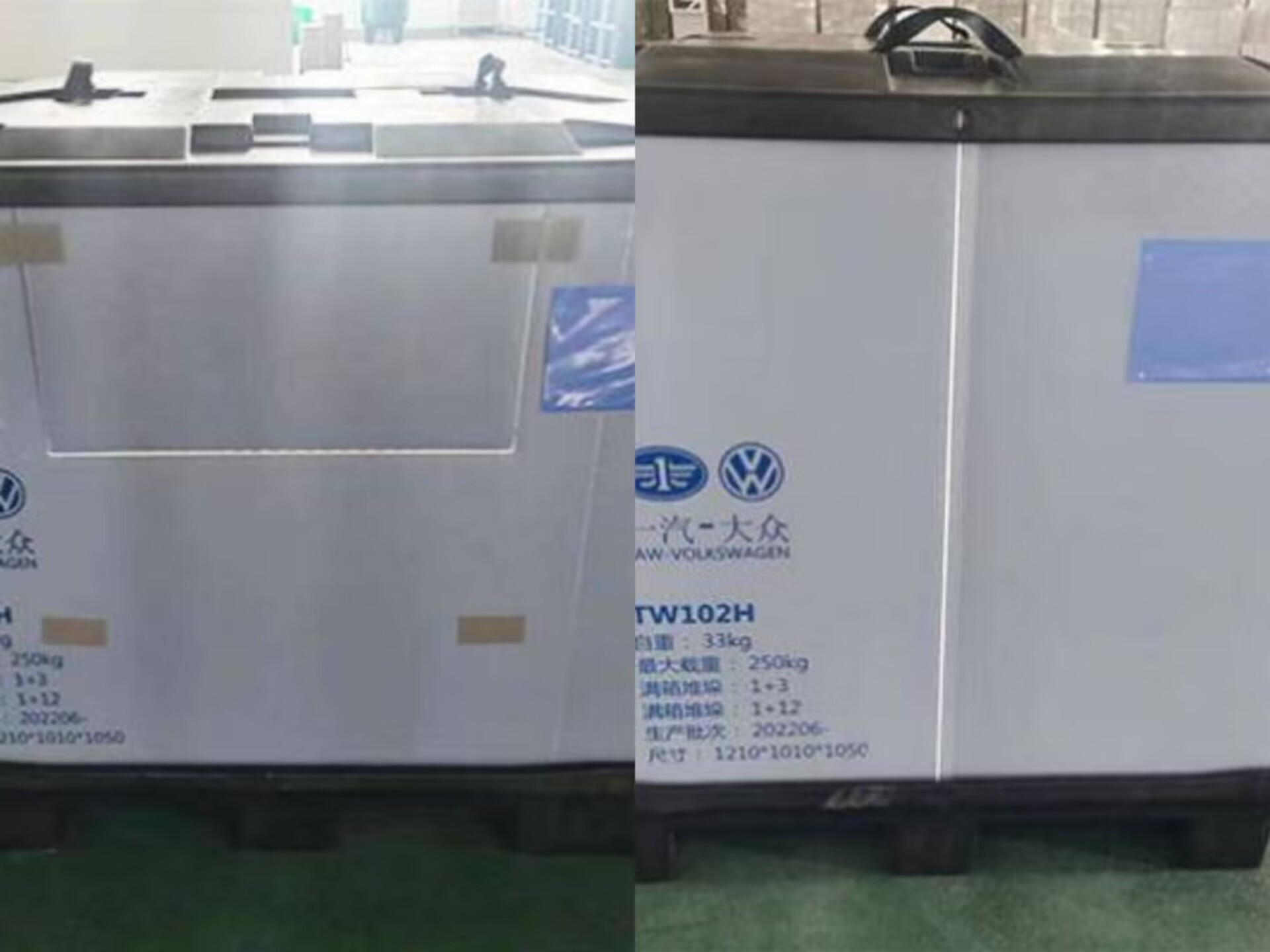
A sleeve pallet is a type of packaging and storage solution that combines a base pallet with a protective sleeve or enclosure, typically made from corrugated plastic, cardboard, or metal. The sleeve forms a box-like structure around the pallet, allowing goods to be stacked securely while providing extra protection during storage and transport. Unlike traditional open pallets, sleeve pallets offer containment for loose, fragile, or oddly shaped items.
The construction usually consists of two main components:
This combination results in a system that maximizes storage efficiency while reducing damage and waste.
Investing in sleeve pallets offers multiple advantages that can significantly enhance operational efficiency:
One of the main advantages of sleeve pallets is the added protection they provide. The sleeve acts as a barrier against dust, moisture, and physical damage. This is particularly valuable when handling fragile items, electronics, or chemical products. By reducing product damage, companies can save on returns, replacements, and insurance costs.
Sleeve pallets are designed to optimize vertical space. Unlike standard pallets, which often require additional packaging for side protection, the sleeve allows for safe stacking without additional cartons. Many sleeve pallets are also collapsible, which reduces warehouse storage requirements when they are not in use. This makes them ideal for businesses dealing with fluctuating inventory levels.
With standardized pallet bases, sleeve pallets are compatible with forklifts, pallet jacks, and conveyor systems. This simplifies handling and speeds up warehouse operations. The sleeve keeps items secure, minimizing the risk of shifting or falling during transport. For international shipping, sleeve pallets can also meet export packaging standards, reducing delays at customs.
Sleeve pallets are available in a range of materials, including durable corrugated plastic or cardboard. Reusable plastic sleeves can last for years, offering a high return on investment compared to single-use packaging. Even cardboard sleeves, while recyclable, provide sufficient durability for most supply chain needs at a lower cost than fully enclosed crates.

The choice of material depends on the application, budget, and environmental considerations. Common materials include:
Corrugated plastic is lightweight, strong, and resistant to water and chemicals. It is ideal for long-term use, repeated handling, and exposure to moisture. Its durability makes it suitable for heavy or fragile goods that require extra protection.
Cardboard sleeve pallets are cost-effective and recyclable. They are best suited for lighter items or one-way shipping. High-strength cardboard can also support moderate stacking without collapsing, making it suitable for warehouse storage and distribution.
Metal sleeve pallets are rare but highly durable. They are used in specialized applications where maximum protection and weight-bearing capacity are required, such as heavy machinery parts or industrial components. They offer the longest service life but come with higher costs.
Sleeve pallets are used in various industries due to their versatility:
In manufacturing, sleeve pallets are ideal for transporting raw materials, components, and finished products between production lines. They reduce damage and ensure consistent quality by keeping items secure.
For warehouses, sleeve pallets help in organizing inventory efficiently. Collapsible sleeves save space during off-peak periods, and standard pallet bases make handling seamless. Distribution centers can also benefit from reduced breakage and faster loading/unloading times.
Food and beverage companies often use sleeve pallets for items like bottled beverages, packaged foods, and perishable goods. The protective sleeve prevents contamination and damage, and many sleeve pallets are designed to comply with hygiene and safety standards.
Electronic components and devices require extra protection during storage and transit. Sleeve pallets reduce the risk of physical damage, dust, and moisture. Anti-static materials can also be used in sleeve construction for sensitive electronics.
In automotive logistics, sleeve pallets are used to transport spare parts, components, and accessories. They help organize small and large parts efficiently while reducing handling errors and damage.
Selecting the right sleeve pallet involves evaluating several factors:
Determine the maximum weight the sleeve pallet will carry. Heavy-duty plastic or metal bases may be necessary for larger loads, while cardboard may suffice for lighter goods.
Choose the sleeve material based on durability requirements, exposure conditions, and cost considerations. Plastic sleeves are ideal for repeated use, while cardboard is cost-effective for one-time shipments.
Ensure that the sleeve pallet fits your storage and transportation dimensions. Standard pallet sizes, such as 48×40 inches, are compatible with most logistics systems. Consider stackable designs to maximize warehouse space.
If space-saving is critical, opt for collapsible sleeve pallets. These designs allow the sleeves to fold flat when empty, reducing storage and shipping volume.
For unique products or branding purposes, some manufacturers offer customized sleeve pallets. Options include color coding, printed logos, and tailored dimensions to match product specifications.
Understanding the differences between sleeve pallets and traditional pallets helps businesses make informed decisions:
| Feature | Sleeve Pallet | Traditional Pallet |
|---|---|---|
| Protection | High (enclosed sleeve) | Low (open) |
| Stackability | Excellent | Moderate |
| Space-saving | Collapsible sleeves available | Fixed size |
| Handling | Compatible with forklifts | Compatible with forklifts |
| Reusability | High for plastic sleeves | Moderate for wood pallets |
| Cost | Slightly higher upfront | Lower upfront |
| Sustainability | Recyclable and reusable | Dependent on material |
While sleeve pallets may have a higher initial cost than traditional pallets, the reduced product damage, space savings, and reusability often result in long-term savings.
When sourcing sleeve pallets, consider:
Selecting the right supplier ensures consistent quality, reduces downtime, and supports long-term supply chain efficiency.

Sleeve pallets are transforming material handling in modern logistics. By combining the stability of a pallet base with the protection of a sleeve, they provide a versatile, durable, and cost-effective solution for industries ranging from manufacturing and warehousing to food, electronics, and automotive sectors. Their benefits—including enhanced product protection, space efficiency, easy handling, and sustainability—make them a smart choice for companies looking to improve operational efficiency and reduce costs.
Choosing the right sleeve pallet involves careful consideration of load capacity, sleeve material, stackability, collapsible design, and customization options. With proper maintenance and the right supplier, sleeve pallets can deliver significant long-term value and help businesses optimize their logistics and supply chain operations.
Investing in sleeve pallets is not just a packaging decision—it’s a strategic move toward a more efficient, sustainable, and cost-effective supply chain.