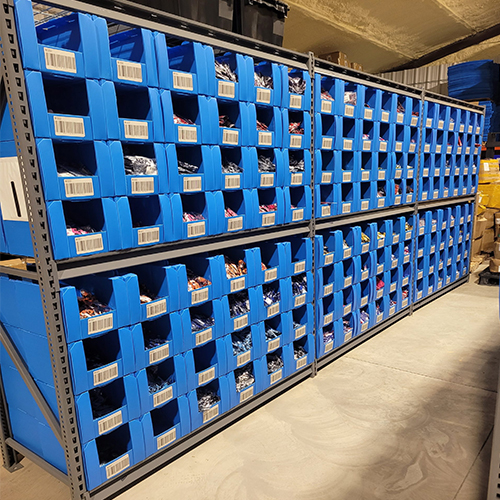
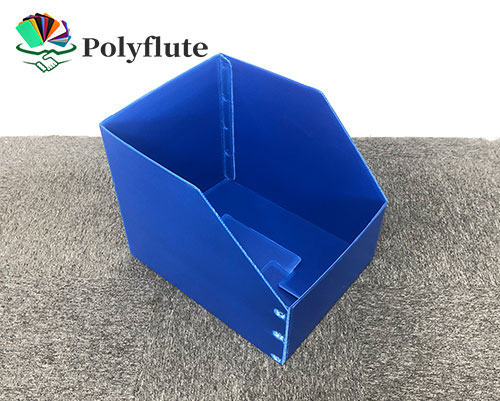
Storage is a fundamental aspect of both homes and workplaces. The right storage system can significantly improve organization, efficiency, and safety. While standard storage bins are widely available, they often fail to meet specific requirements, especially in industrial, commercial, or even home settings where space optimization is critical. This is where custom size storage bins come into play. By tailoring dimensions, materials, and features, businesses and individuals can create storage solutions that perfectly match their unique needs.
In this article, we will explore the key factors to consider when selecting custom size storage bins, helping you make informed decisions and achieve optimal storage efficiency.

1. Understanding the Need for Custom Size Storage Bins
Custom storage bins are designed to fit specific spaces, handle specialized materials, and meet unique operational requirements. Unlike standard storage bins, which come in fixed sizes and limited designs, custom bins offer flexibility in dimensions, compartments, materials, and weight capacity.
Industries that commonly benefit from custom storage solutions include:
- Manufacturing: To store components of different sizes without wasting space.
- Warehousing and Logistics: For efficient stacking and organized storage of goods.
- Retail: To manage inventory in small or uniquely shaped areas.
- Home Organization: For garages, kitchens, closets, and basements where off-the-shelf bins may not fit properly.
By investing in custom bins, you ensure that storage solutions are tailored to your workflow, making inventory management, access, and retrieval more streamlined.
2. Key Considerations for Custom Size Storage Bins
When choosing custom size storage bins, several important factors should be evaluated to ensure you get a durable, functional, and cost-effective solution.
2.1 Material Selection
The choice of material greatly impacts the durability, weight, and cost of storage bins. Common materials include:
- Plastic (Polypropylene or Polyethylene): Lightweight, resistant to moisture and chemicals, suitable for both industrial and home use.
- Metal (Steel or Aluminum): Extremely durable, ideal for heavy-duty applications, high weight capacity, and long-term usage.
- Wood: Traditional, strong, and eco-friendly, but may be prone to moisture damage if not treated.
- Corrugated Plastic: Lightweight and cost-effective, often used for transport bins or semi-permanent storage.
Selecting the right material depends on the environment where the bins will be used. For instance, high-humidity or chemical storage areas require materials resistant to corrosion and moisture.
2.2 Dimensions and Space Utilization
The primary advantage of custom size storage bins is the ability to maximize space utilization. Consider the following:
- Available Space: Measure the storage area carefully, including height, width, and depth, to ensure bins fit comfortably.
- Stackability: Determine if bins need to be stacked and whether your space allows for vertical storage.
- Accessibility: Ensure bins are sized for easy access without straining employees or users.
- Compartments: Decide if internal dividers are necessary to separate items efficiently.
Optimizing dimensions ensures you avoid wasted space and reduce clutter, increasing overall storage efficiency.

2.3 Weight Capacity
Every storage bin has a maximum load it can safely handle. When designing custom bins, consider:
- Item Weight: Estimate the average and maximum weight of items to be stored.
- Stacking Weight: If bins are stacked, ensure the bottom bin can support the combined weight of bins above.
- Material Strength: Stronger materials like steel or reinforced plastic allow for heavier loads, whereas lighter materials may be suitable only for smaller items.
Incorrect weight capacity can lead to bin damage, safety hazards, or loss of inventory.
2.4 Design Features
Custom bins can be enhanced with design features to improve usability:
- Lids or Covers: Protect contents from dust, moisture, or contamination.
- Handles or Grips: Facilitate easy transport and handling.
- Labeling Areas: Allow for easy identification of contents.
- Wheels or Casters: Useful for mobile storage needs.
- Ventilation: Required for perishable goods or items sensitive to humidity.
By including practical features in your custom design, you can enhance efficiency and convenience in daily operations.
2.5 Durability and Maintenance
Durability is crucial, particularly for industrial and commercial storage bins that endure frequent handling. Consider:
- Impact Resistance: Plastic bins should resist cracking under rough handling.
- Temperature Resistance: Some materials may warp or degrade under extreme temperatures.
- Chemical Resistance: In manufacturing or lab environments, bins may be exposed to chemicals or solvents.
- Ease of Cleaning: Smooth surfaces or removable components can simplify cleaning and maintenance.
Investing in durable bins reduces replacement costs and prevents workflow disruptions.
2.6 Customization Options
Beyond size, many manufacturers offer additional customization options:
- Color Coding: Helps organize items by category, priority, or department.
- Branding: Adding logos or company colors can improve aesthetics and professionalism.
- Special Shapes: Custom shapes for irregular spaces or unique items.
- Modular Systems: Interlocking or stackable systems that expand storage flexibility.
Choosing the right customization options ensures your storage solution is practical and visually appealing.
2.7 Budget Considerations
While custom bins offer tailored solutions, they usually cost more than off-the-shelf options. To optimize investment:
- Assess Needs vs. Budget: Determine essential features and dimensions first.
- Material vs. Cost: Balance durability with cost-effectiveness. Plastic is generally cheaper than metal but may not support heavy loads.
- Long-Term Savings: Consider that durable custom bins may reduce replacement frequency, saving money over time.
Careful budgeting ensures a functional solution without unnecessary overspending.
2.8 Compliance and Safety Standards
In certain industries, storage bins must comply with regulations:
- Food Industry: Bins should be food-grade and non-toxic.
- Healthcare: Sterilizable materials may be required.
- Industrial Safety: Bins must withstand load-bearing requirements and prevent hazards.
Consulting relevant safety standards before production helps avoid regulatory issues and ensures safe storage practices.
3. Applications of Custom Size Storage Bins
Custom size storage bins are versatile and applicable across multiple sectors:
- Industrial Warehousing: Organize parts, tools, or raw materials efficiently.
- Retail: Fit bins in display racks, storage rooms, or back offices.
- Offices: Store supplies, documents, and equipment neatly.
- Home Organization: Utilize space under stairs, in closets, or in kitchens.
- Medical and Laboratory Use: Store instruments, samples, and reagents safely.
- Automotive Workshops: Keep spare parts, fasteners, and tools organized for quick access, improving workflow and reducing downtime.
- Food and Beverage Industry: Store ingredients, packaging materials, or prepped items in hygienic, food-safe bins that fit specific shelving or refrigeration units.
Each application has specific needs, reinforcing the importance of considering size, material, and functionality during customization.
4. Tips for Choosing the Right Custom Size Storage Bins
- Measure Space Accurately: Always measure storage areas carefully to avoid fitting issues.
- Identify Storage Requirements: List the items, their weight, and frequency of use.
- Prioritize Materials: Choose materials suitable for the environment and items being stored.
- Consider Accessibility: Ensure bins are easy to access and transport.
- Plan for Scalability: If storage needs grow, design bins that can expand or stack efficiently.
- Check Manufacturer Expertise: Work with experienced suppliers who understand custom storage solutions.
Following these tips ensures that your investment in custom storage bins meets both present and future storage needs.
5. Conclusion
Custom size storage bins are an essential solution for optimizing storage efficiency in homes, offices, and industrial settings. By considering material, dimensions, weight capacity, design features, durability, customization, budget, and compliance, you can select storage bins that are not only functional but also tailored to your unique requirements.
Investing in the right custom size storage bins reduces clutter, improves workflow, and ensures the safe handling of items. Whether for industrial applications or personal organization, customized bins offer the flexibility, durability, and efficiency that standard bins cannot match.
With careful planning and thoughtful design, custom storage bins can transform your storage spaces, making them more organized, accessible, and productive.
| Welcome to contact us now.
We will get back to you within 8 hours. We will offer latest price and free sample.