
- Sophia@polyflute.com
- +86 15162372874
- Mon - Sat 8:00-20:00
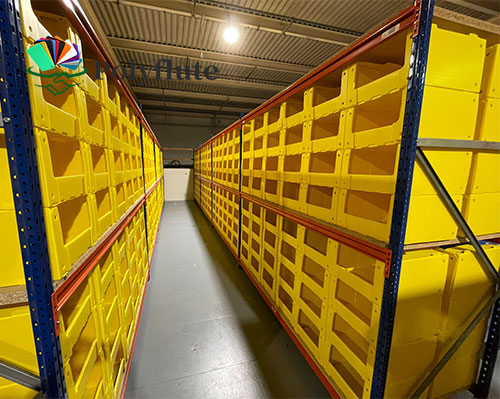
Picking bins are an essential element of modern warehouse operations, used for organizing inventory and streamlining the picking process. These bins help employees efficiently retrieve items from shelves, which in turn increases productivity and reduces operational costs. However, with so many options available in the market, it can be challenging to determine which picking bins are the best for your needs. In this guide, we will explore the factors you should consider when choosing picking bins for sale, as well as the types and materials that are available, to help you make an informed decision.
Before delving into how to choose picking bins for sale, it’s essential to understand what they are and how they function. Picking bins are typically used in warehouses, distribution centers, and manufacturing facilities to organize small parts, tools, or components that need to be accessed frequently. They come in various sizes, shapes, and materials, and are designed to make inventory management easier and more efficient.
There are several types of picking bins, including stackable bins, hanging bins, and drawer bins, each with unique advantages. Some bins are designed for use in shelving units, while others can be mounted on walls or placed directly on conveyor systems.
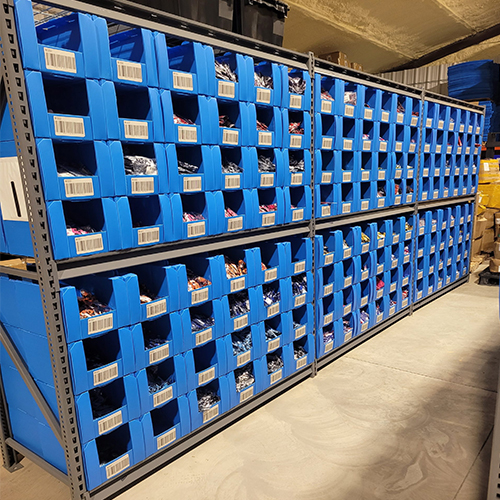
When selecting picking bins for your warehouse or facility, several factors need to be considered to ensure the right fit for your operations. Below are the key considerations:
The size and capacity of the picking bins are among the first things to determine. You’ll want bins that are appropriately sized for the items you’re storing. Bins that are too small can lead to overcrowding, while bins that are too large may waste valuable space or lead to inefficiency during the picking process.
To choose the right size:
The material of the picking bins can impact both durability and functionality. Common materials for picking bins include:
The right material will depend on your specific needs, including environmental conditions (e.g., moisture levels, exposure to chemicals), the weight of the items, and how often the bins will be moved.
Picking bins come in various designs, including:
Choose the design based on the layout of your warehouse or facility. For example, if vertical space is limited, you might prefer stackable bins, while hanging bins are ideal for maximizing wall space.
Color coding can play a significant role in organization and efficiency. Many warehouses use color-coded picking bins to differentiate between product categories, which helps workers quickly locate and identify items. If your warehouse has a large number of products or multiple categories, using color-coded bins can reduce the time spent searching for items.
Pickers need to access the bins quickly to maximize efficiency. Therefore, the design of the bin should allow for easy access. Bins with clear sides or labels can improve visibility and reduce errors during picking.
Some bins feature clear or translucent walls, making it easy to see the contents without having to open the bin. Additionally, ensure the bin’s opening is large enough to allow easy retrieval of items without causing damage or delays.
Efficient storage is key to maximizing the available space in a warehouse or facility. Consider whether the picking bins will be stacked or stored in rows and how that will affect the overall layout. If space is limited, you may want to opt for bins that are stackable or nestable, allowing you to create an organized, compact storage solution.
The durability of the picking bins is crucial, especially if your warehouse handles heavy-duty items or operates in challenging environments. Look for bins that are built to withstand wear and tear, such as those made from high-quality plastics, heavy-duty metal, or reinforced materials. Investing in durable bins may cost more upfront but will save you money on replacements and maintenance in the long run.
In a fast-paced warehouse environment, ease of movement is critical. You want bins that can be easily moved from one location to another without hassle. Consider bins that are equipped with handles or wheels for easier transport. For example, bins with wheels can be especially helpful when organizing and transporting large quantities of products.
The environment in which your picking bins are used can also influence your choice. If the bins will be exposed to extreme temperatures, moisture, or chemicals, it’s essential to choose bins that can handle those conditions. Some materials, such as polypropylene or high-density polyethylene, are resistant to moisture, making them suitable for damp environments.
Additionally, consider eco-friendly options if sustainability is a priority for your company. Many manufacturers offer picking bins made from recyclable materials, which can help reduce your environmental footprint.
Here are the most common types of picking bins available for sale:
Plastic bins are a popular choice due to their lightweight design, durability, and versatility. These bins are suitable for a wide range of items, from small parts to medium-sized components. Plastic bins come in various shapes and sizes and are easy to clean and maintain.
Metal bins are stronger than plastic bins and are suitable for heavy-duty use. These bins are perfect for storing heavy or sharp items, such as tools or mechanical components. They are often used in industrial or manufacturing settings where strength and durability are crucial.
Wire bins are typically used in retail and distribution settings. They offer excellent visibility and airflow, making them suitable for storing items that need to be easily accessed. However, they may not be the best option for storing small or delicate items that could fall through the gaps.
Modular bins are designed to be used in conjunction with shelving units, allowing you to create custom storage solutions. These bins are highly adaptable and can be configured to suit your specific needs. They are ideal for businesses that require flexibility and scalability in their storage solutions.
These bins are designed for space-saving. Stackable bins allow you to store more items vertically, while nestable bins can be stacked inside each other when not in use, making them ideal for reducing storage space.
Hanging bins are often mounted on walls or suspended from shelving units. They are perfect for storing small items like nuts, bolts, or tools. Hanging bins help maximize available space and keep items organized and easily accessible.

Choosing the right picking bins for sale requires careful consideration of several factors, including size, material, design, and your specific storage needs. By taking the time to assess your requirements and choosing the best picking bins for your operations, you can improve efficiency, reduce errors, and streamline your inventory management process.
Remember that investing in quality picking bins is an investment in the efficiency and productivity of your business. Take the time to evaluate your options, and choose the bins that will best suit your needs and improve your warehouse or facility’s operations.