
- Sophia@polyflute.com
- +86 15162372874
- Mon - Sat 8:00-20:00
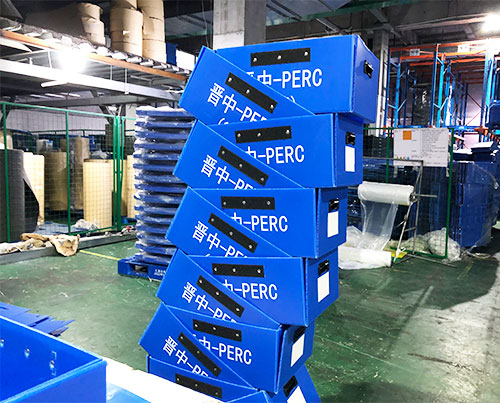
Plastic warehouse boxes are an essential tool in organizing inventory, improving logistics, and maintaining an efficient storage system. Whether you’re running a warehouse, retail store, or industrial operation, plastic storage solutions can help streamline operations and improve productivity. With a variety of styles and functions available, choosing the right type of plastic warehouse box for your needs can be a challenge.
This blog post will explore the different types of plastic warehouse boxes, including heavy-duty options, plastic boxes with lids, stackable models, and more. We’ll dive into the specific features of each type, offering insights into their benefits and ideal applications.

Heavy-duty plastic warehouse boxes are designed to handle larger, heavier items and withstand the rigors of demanding environments. Typically made from high-impact polyethylene or polypropylene, these boxes are highly durable and resistant to cracking, fading, and deformation. They are often used in warehouses that store tools, automotive parts, industrial components, or bulk goods that require robust storage.
Key Features:
Best Use: These are ideal for industrial storage, construction sites, or any warehouse that handles heavy-duty products. They can store metal parts, equipment, and materials, ensuring safe, secure storage in high-demand areas.
Plastic warehouse boxes with lids offer enhanced protection for stored items, making them perfect for storing sensitive or small items. The lid not only prevents dust, dirt, and moisture from entering but also keeps the contents secure, especially in open environments.
Key Features:
Best Use: Ideal for smaller parts, electronics, tools, and other items that need protection from environmental factors. These boxes with lids are commonly used in warehouses that require organized storage for precision items or perishables.
Stackable plastic warehouse boxes are designed to be stacked on top of each other to maximize vertical storage space. This type of box is perfect for warehouses with limited floor space or where high-density storage is essential.
Key Features:
Best Use: These boxes are best for inventory control, picking systems, and parts storage. Whether it’s in a retail store, distribution center, or manufacturing warehouse, stackable boxes can help optimize space and organize products efficiently.
Plastic storage bins with wheels provide excellent mobility and convenience, making them a great option for environments where items need to be moved frequently. These bins are equipped with durable wheels that allow for easy transportation from one location to another, reducing manual labor and improving workflow.
Key Features:
Best Use: Ideal for warehouses that require items to be frequently moved around, such as inventory replenishment, order picking, or mobile storage units in retail environments.
Plastic pallet boxes are large, heavy-duty storage containers designed to fit on pallets for easy handling with forklifts or pallet jacks. They are perfect for bulk storage and transport, making them a great choice for warehouses that need to store large quantities of goods in a secure, organized manner.
Key Features:
Best Use: These boxes are used in large-scale warehouses for bulk storage and transportation of products such as food, beverages, or industrial materials. They are particularly effective in warehouses that need to comply with storage regulations for specific industries.
Nestable plastic warehouse boxes are a great solution for situations where space-saving is essential, but there is less need to stack boxes frequently. These boxes are designed to fit inside each other when not in use, offering a compact storage option.
Key Features:
Best Use: These boxes are great for seasonal inventory storage, temporary organization, or when warehouse space is limited. They are commonly used for packaging, parts organization, or transporting items between different storage areas.
Plastic shelf bins are designed to be used on shelving units, offering a systematic storage solution for smaller parts, tools, and materials. These bins allow easy access and organization, particularly in environments where inventory is frequently moved or picked.
Key Features:
Best Use: Ideal for parts departments, inventory control, and small items in warehouses, garages, or retail stores. Shelf bins are commonly used for sorting and storing nuts, bolts, screws, and other small parts that need quick access.
Clear plastic storage bins are transparent containers that provide visibility of the contents without needing to open them. These bins are commonly used for items that require organization but also need to be easily identified. Their clear design helps warehouse workers quickly locate the desired items.
Key Features:
Best Use: These bins are ideal for sorting, storing, and organizing office supplies, tools, toys, and retail products. They are perfect in environments where employees need to access items quickly without having to open each bin.
Plastic crates are open containers designed for carrying goods, often used for bulk storage, shipping, and transport. They are typically more robust than other types of plastic boxes, providing high load-bearing capacity.
Key Features:
Best Use: Plastic crates are commonly used in agriculture, food production, and retail for transporting goods such as fruits, vegetables, or bottles. They are particularly useful in warehouse environments where bulk handling is required.
Plastic warehouse boxes come in a wide range of designs and materials, each with unique features suited for different types of goods and warehouse environments. Whether you’re looking for heavy-duty storage solutions, items with lids for added security, or space-saving designs, there is a plastic box type for your needs. Selecting the right plastic warehouse box is crucial for maximizing storage efficiency, protecting inventory, and improving workflow in your operations.
By understanding the various options available, you can make an informed decision on the best type of storage solution for your warehouse, ultimately enhancing both productivity and organization.