In today’s fast-paced, efficiency-driven business environment, keeping workspaces organized is more crucial than ever. Whether it’s a warehouse, retail store, or industrial factory, ensuring that your inventory is well-organized can save time, reduce errors, and improve productivity. One of the most effective and versatile solutions for organizing small parts, tools, and supplies is stackable inventory bins.
Stackable inventory bins, also called stackable pick bins, are a staple in industries that require organized storage for a variety of components. They come in several types, materials, sizes, and designs, and each type offers unique benefits suited to different storage needs. In this article, we’ll introduce you to the main types of stackable inventory bins, helping you make an informed choice about which one is best for your business.
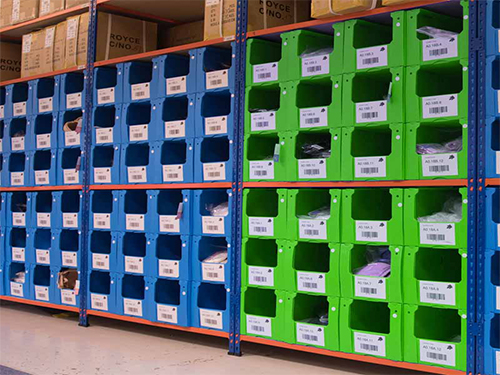
What Are Stackable Inventory Bins?
Stackable inventory bins are containers that are designed to be stacked on top of one another, optimizing storage space. These bins are primarily used for storing small items such as screws, nuts, bolts, tools, and parts that need to be kept organized and accessible. Their stackable design allows businesses to store more items in less space, making them perfect for areas where storage is limited.
Key Features of Stackable Inventory Bins
- Stackable Design: The primary feature that differentiates these bins is their ability to be stacked securely on top of each other. This design helps to maximize vertical space, allowing users to store more in less space.
- Durability: Stackable inventory bins are typically made from durable materials such as plastic, steel, or metal, ensuring they can withstand heavy-duty use.
- Customization: Many stackable bins are available with customizable options, such as adjustable dividers or labels, allowing for precise organization of items.
- Ease of Access: These bins are often designed with wide openings or handles, making it easy to access and retrieve items stored inside.
- Variety of Sizes: Stackable bins come in a range of sizes to accommodate different inventory needs, from small, compact bins for tiny parts to large bins for bulkier items.
Main Types of Stackable Inventory Bins
When it comes to choosing the right stackable inventory bins, there are several different types to consider. Each type of bin is designed for specific storage needs, and understanding these options will help you choose the best one for your business.
1. Plastic Stackable Bins
Plastic stackable bins are one of the most popular types of inventory bins. They are lightweight, durable, and resistant to rust, corrosion, and moisture. These bins are often used in environments like retail stores, warehouses, and offices.
Advantages:
- Lightweight: Easier to move around compared to heavier materials like metal.
- Rust-resistant: Ideal for use in environments where moisture could be a concern.
- Customizable: Many plastic bins come with removable dividers, allowing users to create compartments of varying sizes.
- Variety of Colors: Plastic bins often come in different colors, which can help with color-coding and organizing inventory more effectively.
Applications:
- Small parts storage in industrial and automotive settings.
- Organization of inventory in retail environments.
- Office supply organization.
2. Metal Stackable Bins
Metal stackable bins are perfect for heavier-duty storage needs. These bins are typically made of steel or galvanized metal, providing extra strength and durability. They are commonly used in environments where heavy or bulky items need to be stored.
Advantages:
- Strength: Metal bins can withstand heavier weights and more demanding environments.
- Durability: They are resistant to damage and can last longer under tough conditions.
- Security: Metal bins are less likely to be damaged or compromised, providing secure storage for valuable items.
Applications:
- Industrial settings with heavy tools and equipment.
- Automotive repair shops.
- Manufacturing plants.
3. Wire Stackable Bins
Wire stackable bins are made from welded steel wire mesh and are designed for visibility and ventilation. These bins are often used in environments where air circulation is crucial or when the contents need to be visible at all times.
Advantages:
- Visibility: Items inside wire bins are visible from all sides, making it easy to identify contents.
- Ventilation: The open wire design allows for air circulation, making these bins suitable for perishable goods or products that require ventilation.
- Durability: Like metal bins, wire bins are very sturdy and can handle heavy-duty usage.
Applications:
- Storage of bulk items like clothing, shoes, or boxes.
- Agricultural settings where airflow is important.
- Warehouses handling non-perishable products.
4. Heavy-Duty Stackable Bins
Heavy-duty stackable bins are designed for demanding storage needs. Made from reinforced materials, these bins can handle large quantities and heavy weights without compromising structural integrity. They are usually made from tough plastic or steel.
Advantages:
- Strength: Heavy-duty bins can support more weight and are often used in industrial and commercial applications.
- Versatility: These bins can be used for a wide range of materials, from small parts to larger components.
- Long-lasting: The durable materials used in heavy-duty bins make them ideal for long-term use.
Applications:
- Storing large parts and heavy tools in manufacturing environments.
- Bulk item storage in distribution centers.
- Warehouses with heavy inventory demands.
5. Clear Plastic Stackable Bins
Clear plastic stackable bins provide an excellent option for those who need to see the contents of their bins at a glance. These bins combine the durability of plastic with transparency, making them a great choice for small parts or items that need to be quickly identified.
Advantages:
- Transparency: Clear bins allow for easy identification of contents, reducing the need to open each bin to search for items.
- Space-saving: These bins are stackable and allow for easy organization without taking up too much space.
- Lightweight: Like standard plastic bins, clear plastic bins are lightweight and easy to handle.
Applications:
- Storing small parts or office supplies.
- Organizing craft materials or hardware items.
- Organizing retail or warehouse inventory.
6. Adjustable Stackable Bins
Adjustable stackable bins feature compartments that can be resized or reconfigured depending on your specific storage needs. These bins are especially useful in environments where the types of items being stored change frequently, and flexibility is essential.
Advantages:
- Customization: Adjustable dividers allow you to create compartments of various sizes, accommodating different items.
- Flexibility: Perfect for environments where inventory changes regularly and different-sized items need to be stored.
- Space-efficient: These bins make the most of available space by providing the flexibility to adjust compartment sizes as needed.
Applications:
- Electronic parts storage, where components vary in size.
- Inventory management in warehouses with constantly changing stock.
- Organizing supplies in offices or retail spaces.

How to Choose the Right Stackable Inventory Bin
When selecting stackable inventory bins, there are several factors to consider to ensure you choose the right option for your business needs:
- Weight and Size of Inventory: If you need to store heavy or bulky items, metal or heavy-duty bins may be more appropriate. For lightweight items, plastic bins would suffice.
- Durability: Consider the durability required for your bins. Metal bins are ideal for heavy-duty use, while plastic bins are suitable for lighter applications.
- Environment: The environment in which the bins will be used also affects the type you choose. For example, metal bins are better suited for outdoor or industrial environments, while plastic bins are more appropriate for indoor use.
- Accessibility: Clear bins offer easy visibility, while open wire bins allow for air circulation. Choose a bin type that provides the best access to your inventory.
- Customization Needs: Adjustable bins allow for flexibility in storing different types of items. Consider whether your storage needs require customization.
Conclusion
Stackable inventory bins are a simple yet effective way to keep your workspace organized, whether you’re running a warehouse, retail shop, or industrial facility. With so many types to choose from, understanding the benefits of each type will help you make an informed decision based on your specific needs. By selecting the right stackable bin, you can improve inventory organization, reduce clutter, and increase productivity in your business.
| Welcome to contact us now.
We will get back to you within 8 hours. We will offer latest price and free sample.


