
- Sophia@polyflute.com
- +86 15162372874
- Mon - Sat 8:00-20:00

In today’s fast-paced world of logistics and e-commerce, ensuring that products are shipped and stored safely is a top priority for businesses. One crucial element in the packaging industry that is often overlooked is layer pads. These versatile packaging components play a significant role in protecting products during transit, reducing damage, and optimizing storage. Whether you’re shipping fragile electronics, glassware, or heavy-duty machinery, layer pads packaging can provide the necessary support to keep your goods in top condition.
This blog post explores the importance of layer pads in packaging, their various types, applications, and benefits. We’ll also discuss how they contribute to reducing shipping costs and enhancing overall supply chain efficiency.

Layer pads, also known as pallet pads or separator pads, are thick sheets of material designed to protect products and ensure their stability during transportation and storage. They are placed between layers of goods on a pallet to prevent direct contact, providing a cushioning effect. These pads can be made from various materials, including cardboard, corrugated board, foam, and plastic, depending on the needs of the product being packaged.
One of the most significant benefits of layer pads is their ability to protect products during transportation. When goods are stacked together on a pallet, the weight of the upper layers can create excessive pressure on the lower layers, leading to damage. Layer pads packaging helps distribute the weight evenly, ensuring that the bottom layers do not get crushed. This is particularly important for fragile items that may be sensitive to compression or impact.
Layer pads also prevent products from shifting during transportation. When goods are stacked without proper separators, they can move around, leading to misalignment or breakage. By using layer pads, businesses can create a stable, secure packaging solution that minimizes the risk of movement, ensuring that products remain in the same position throughout the shipping process.
While the initial cost of layer pads may seem like an additional expense, they can save money in the long run by reducing the likelihood of product damage. Damaged goods result in costly returns, replacements, and lost customer trust. By using high-quality layer pads to protect products, businesses can minimize the risk of damage and reduce the need for expensive returns and replacements. Furthermore, layer pads can help optimize space on pallets, which can reduce shipping costs.
In recent years, there has been an increased focus on sustainability in packaging. Layer pads can be made from recycled materials, helping businesses reduce their environmental footprint. Cardboard and corrugated board are widely recyclable, making them an eco-friendly choice for companies looking to adopt greener packaging practices. Additionally, reusable layer pads made from plastic or other durable materials can be used multiple times, further reducing waste.

There are several types of layer pads used in packaging, each designed for specific purposes. Let’s explore the most common types:
Cardboard is one of the most widely used materials for layer pads due to its durability, cost-effectiveness, and versatility. Cardboard layer pads are commonly used in a wide range of industries, from food packaging to industrial equipment. They provide excellent cushioning and stability, making them ideal for protecting products during transit.
Corrugated cardboard pads are an upgraded version of traditional cardboard. They consist of multiple layers of paperboard, with a wavy, fluted layer in the middle. Corrugated layer pads offer enhanced protection compared to regular cardboard, making them ideal for heavier products or items that require additional cushioning. The corrugated structure also adds rigidity, preventing the pads from bending or warping under pressure.
For more delicate products, foam layer pads offer superior cushioning. These pads are made from polyurethane or polyethylene foam and provide excellent shock absorption. Foam layer pads are commonly used in the electronics, glass, and medical industries to protect fragile items from impact and vibration during shipping. Foam can also be customized to fit the exact shape of the product, ensuring a snug fit and maximum protection.
Plastic layer pads are durable and reusable, making them an excellent choice for businesses that require long-term packaging solutions. These pads are often used in industries where goods need to be stacked and transported multiple times. Plastic layer pads can be made from materials such as polypropylene or polyethylene, offering excellent resistance to moisture, chemicals, and abrasion. They are especially useful for products that need to be stored or transported in harsh environments.
Layer pads are used across a wide range of industries to protect products during transport and storage. Some of the most common applications include:
In the food and beverage industry, layer pads are used to separate and protect products such as bottled beverages, cans, and fragile glass containers. Layer pads ensure that products are securely stacked and prevent damage from impacts, which is especially important when transporting perishable goods.
In the electronics industry, products such as televisions, smartphones, and laptops require extra protection to avoid damage from vibrations, shocks, and pressure. Foam or corrugated layer pads are commonly used to cushion these fragile items and prevent scratches or breakage during shipping.
Layer pads are essential for the pharmaceutical industry, where products must be transported with care to maintain their integrity and safety. Layer pads protect sensitive medical supplies, including vials, syringes, and other delicate items, from damage during transit.
In the automotive and machinery industries, layer pads are used to protect heavy equipment and parts during shipping. These pads help prevent damage from vibrations, stacking pressure, and impact, ensuring that the products arrive at their destination in optimal condition.
Choosing the right layer pads depends on several factors, including the type of product being packaged, the shipping method, and the required level of protection. Here are some key considerations when selecting layer pads for your packaging needs:
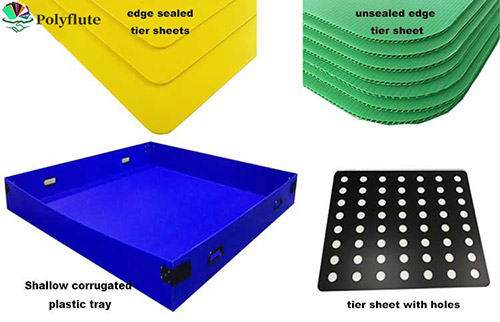
Layer pads packaging is an essential solution for businesses that want to protect their goods during transportation and storage. By providing stability, reducing movement, and offering cushioning, layer pads ensure that products arrive at their destination in perfect condition. Whether you are shipping electronics, food, or heavy machinery, layer pads can be customized to meet your specific packaging needs.
By incorporating layer pads into your packaging strategy, you can reduce the risk of product damage, minimize shipping costs, and enhance your company’s overall efficiency. With a variety of materials and styles available, there is a layer pad solution for every industry, ensuring that your goods are protected and delivered safely.