
- Sophia@polyflute.com
- +86 15162372874
- Mon - Sat 8:00-20:00

When organizing and storing items efficiently, choosing the right layer divider is essential. Whether you are a manufacturer, supplier, or simply looking to purchase a custom layer divider for your personal or business needs, understanding the different types available and their uses can help you make an informed decision. In this blog, we’ll explore the factors you need to consider when choosing a layer divider, and we’ll also provide a guide on how to select the best option based on your requirements.

A layer divider is a component used to separate layers of materials, products, or contents within a storage space, container, or box. The primary purpose of these dividers is to organize items, prevent damage during transportation or storage, and ensure that products or materials remain intact and undisturbed. Layer dividers are widely used in industries ranging from manufacturing and logistics to retail and e-commerce. They can be found in a variety of settings, including packaging, shipping, and product storage.
Before we dive into how to choose the right layer divider for your needs, it’s important to understand the different types available. These are the most common types of layer dividers:

The material of the layer divider will directly impact its strength, lifespan, and suitability for different environments. For example, cardboard dividers might work for light-duty storage but will likely not hold up well in harsh conditions. On the other hand, metal dividers provide exceptional durability for heavy-duty and industrial applications.
When considering the material, think about the weight and nature of the items you plan to store. If you’re working with fragile items, you may need a material that offers some cushioning or flexibility, like foam inserts in plastic or cardboard dividers. If your products are heavy or need to be stacked high, you’ll want a divider that is robust enough to handle the load.
The size of the layer divider is critical for ensuring a proper fit within your storage or shipping containers. Standard size dividers may not work for all products, especially if your items have non-standard dimensions. Custom layer dividers allow for flexibility and can be designed to meet specific size requirements. Whether you need dividers for small electronic components or large industrial tools, customization ensures you can optimize your storage space.
When choosing a layer divider, be sure to measure your containers or boxes to ensure that the dividers will fit properly. You can also consult with a layer divider supplier or manufacturer to get recommendations on size and customization options that would best suit your needs.
Consider the weight of the items you need to organize. Some layer dividers are designed to handle heavy loads, while others are more suited for lightweight or fragile items. If you’re dealing with high volumes of products, you may need a divider that can withstand stacking and maintain its shape under pressure.
For industrial applications, metal dividers or heavy-duty plastic options might be the best choice. If your items are light and require less support, cardboard or thinner plastic dividers could be a good fit. Be sure to check the weight capacity before making a purchase to avoid compromising the safety or integrity of your stored products.
Depending on your storage or transportation needs, the ease of assembly and use of the layer divider may be a key consideration. Some dividers come pre-assembled, while others require installation, which can be time-consuming. If your company is looking for quick assembly and easy usage, consider choosing a divider that is easy to set up and adjust.
Custom layer dividers may also be designed to fit seamlessly into your existing systems. Many manufacturers offer solutions that are easy to modify or adjust as your needs change. Be sure to inquire about assembly instructions and time commitments when working with a supplier or manufacturer.
While material durability and customization are important, cost is always a factor to consider. Cardboard and plastic dividers are generally more affordable compared to metal options, but they may not provide the same level of strength or longevity.
Custom layer dividers can be more expensive, but they may be worth the investment if they significantly improve efficiency and organization. Be sure to balance the cost of the layer divider with the benefits it provides in terms of organization, storage optimization, and product safety.
When selecting a layer divider manufacturer or supplier, it’s important to work with a company that understands your industry needs and can offer high-quality, reliable products. Here are some tips to help you choose the right supplier:
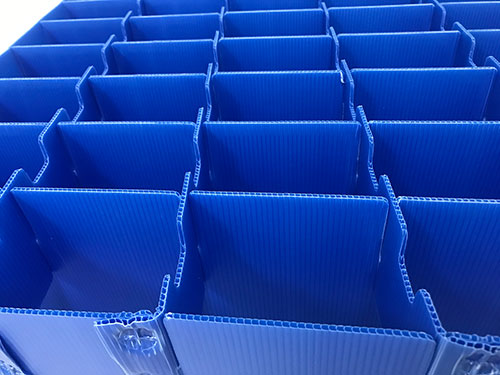
Choosing the right layer divider is critical for maintaining an organized and efficient storage or transportation system. By considering factors like material durability, size, weight capacity, ease of use, and customization options, you can select a product that best suits your needs. Additionally, working with a reliable layer divider supplier or manufacturer will ensure you receive high-quality products that can withstand the demands of your industry. Whether you require standard or custom solutions, taking the time to evaluate your options will pay off in the long run.