
- Sophia@polyflute.com
- +86 15162372874
- Mon - Sat 8:00-20:00

Managing inventory efficiently is a crucial task for businesses in various industries, and the right storage solutions play a vital role in streamlining operations. One of the most effective ways to organize your inventory is by using storage bins. In this article, we will explore different types of storage bins for inventory and offer valuable tips on how to choose the best ones for your business needs.

Before diving into the different types of storage bins available, let’s first look at why they are indispensable for inventory management. Proper storage helps:
Maximize Space: Storage bins allow you to utilize your storage space more effectively, preventing items from piling up or becoming disorganized.
Prevent Damage: Keeping your inventory in bins helps protect fragile items from damage due to clutter or mishandling.
Improve Efficiency: Easy-to-label bins make it faster and easier for workers to find and access items, reducing the time spent on retrieving stock.
Increase Inventory Accuracy: Bins make it simpler to count, track, and manage inventory, minimizing the chances of errors or discrepancies.
Now that we understand the importance of storage bins, let’s look at the various types available.
There are several types of storage bins for inventory, each offering unique features and advantages. Here’s a breakdown of the most popular options:
Plastic bins are some of the most commonly used storage solutions in warehouses, retail stores, and distribution centers. They come in a variety of sizes and can be stacked or nested, which helps save space.
Advantages:
Lightweight and durable
Resistant to moisture and chemicals
Transparent options for easy visibility
Easy to clean and maintain
Best For: Plastic bins are ideal for small to medium-sized businesses that need versatile, long-lasting storage options. They can be used for both bulk storage and smaller items.
Stackable storage bins are designed to be stacked on top of one another without toppling over, creating a more efficient storage system. These bins are often made of plastic, but other materials like steel or wire are also available.
Advantages:
Saves vertical space by stacking
Can be organized in a grid system
Reduces the risk of items becoming disorganized
Best For: These bins are perfect for businesses with limited floor space, as they allow you to store more inventory vertically while maintaining accessibility.
Wire bins are typically made of welded steel and are an excellent option for industrial environments. These bins allow airflow, which makes them perfect for storing items that need ventilation.
Advantages:
Sturdy and long-lasting
Provide ventilation for perishable items
Easy to see contents without opening
Best For: Wire bins are most suitable for storing bulk items like tools, parts, or items that need ventilation. They’re also ideal for businesses that need heavy-duty storage solutions.
Heavy-duty storage bins are designed to carry large loads and withstand demanding environments. These bins are typically made from reinforced plastic, steel, or other tough materials.
Advantages:
Can carry heavy loads without breaking
Designed for tough working environments
Often have secure lids to prevent spillage
Best For: These bins are ideal for industries like manufacturing, construction, and warehousing, where durability is essential.
Adjustable bins feature dividers or removable sections that allow you to customize the interior to fit the size of your inventory. These are perfect for businesses with varying stock sizes.
Advantages:
Flexible for different inventory sizes
Dividers are usually removable for quick reconfiguration
Great for organizing smaller items
Best For: Adjustable bins are great for businesses that store small parts, screws, bolts, or other items that require compartmentalization.
Stack and nest bins are designed to nest when not in use and stack when in operation, making them highly versatile and space-efficient.
Advantages:
Save space when stored
Can be stacked for easy accessibility
Available in various sizes and colors
Best For: Stack and nest bins are ideal for businesses looking to save space and organize items when not in use but need the flexibility to stack and access them quickly when needed.
Bins with lids offer added security and protection for your inventory. The lids prevent dust, dirt, or moisture from getting into the bins, making them a suitable option for items that require extra protection.
Advantages:
Keeps inventory secure and protected
Stackable options available
Can be sealed to prevent contamination
Best For: Bins with lids are perfect for storing sensitive or perishable goods like electronics, food items, or pharmaceuticals.

Choosing the right storage bins for your inventory can be a daunting task, but by considering several key factors, you can make an informed decision. Here are the main things to keep in mind when selecting storage bins:
The size and type of items you’re storing will determine the type of bin you need. For small items like nuts, bolts, and screws, adjustable bins with dividers or small plastic bins work best. For bulkier or larger items, heavy-duty or stackable bins may be more appropriate.
Depending on your inventory’s nature, you may need bins made from specific materials. Plastic bins are versatile and work well for many businesses, but metal bins may be necessary for heavy-duty storage, while wire bins allow airflow for perishable items.
Each bin has a maximum weight limit, so it’s important to choose bins that can hold your inventory without the risk of breaking or damaging the contents. Always check the weight capacity before purchasing.
If you’re working with limited space, stackable or stack-and-nest bins can make the most of your storage area. On the other hand, if you need bins that are easy to store when not in use, nesting bins offer excellent space-saving benefits.
For quick access and easy visibility, transparent bins are often the best choice. This is particularly useful if you need to identify contents without opening the bins. If security or privacy is a concern, opaque or solid bins may be better suited for your needs.
If your inventory includes fragile or valuable items, bins with lids may be essential. Lids can protect items from environmental factors like dust or moisture, and they can also help to prevent spillage during transportation.
Be sure to measure your available storage space before purchasing bins. Choose bins that fit comfortably into your shelving units, ensuring you make the most of available space without overcrowding or leaving gaps.
Consider how easy it is for employees to access and use the bins. Bins with open fronts, handles, or labeling areas are more user-friendly, especially in high-volume environments.
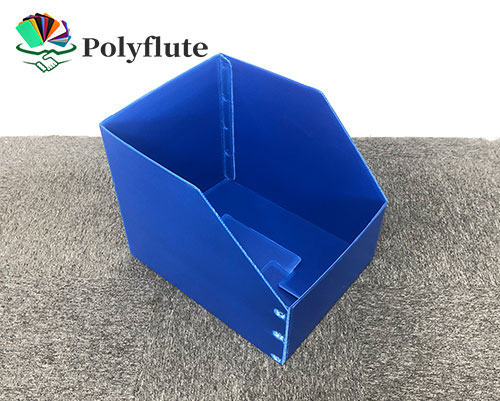
Selecting the right storage bins for inventory management is crucial for improving efficiency, organization, and the overall success of your business. With so many types available, it’s important to choose bins that suit your specific needs, whether that’s for heavy-duty items, small parts, or products that need extra protection.
When evaluating storage bins, remember to consider factors like material, size, weight capacity, stackability, and ease of use. By making thoughtful choices, you can significantly enhance your inventory management system, boost productivity, and ultimately support your business’s growth.