
- Sophia@polyflute.com
- +86 15162372874
- Mon - Sat 8:00-20:00

In today’s fast-paced world of warehousing and distribution, optimizing storage systems is crucial for maintaining efficiency. A well-organized pick bins warehouse plays a significant role in improving inventory management, enhancing operational flow, and ultimately boosting your business’s productivity. In this guide, we will explore the importance of pick bins warehouse systems, how they work, and why investing in high-quality pick bins is essential for warehouse optimization.
A pick bins warehouse is a dedicated space where products are stored in specific bins or containers, designed to be easily accessed for order picking. These warehouses are equipped with various storage solutions that help manage inventory efficiently. By using pick bins, businesses can organize items in a way that maximizes space while minimizing the time it takes for workers to locate and retrieve items.
At the core of any pick bins warehouse is the pick bin itself. These bins can come in various sizes and materials, depending on the type of products being stored. They are typically arranged on shelves or in racking systems, allowing for easy access during the picking process.

The design and layout of a pick bins warehouse can significantly impact operational efficiency. Here are a few reasons why such systems are critical to warehouse management:
Space Optimization: Pick bins help maximize storage space by organizing products more efficiently. They allow businesses to utilize vertical space and ensure that every inch of the warehouse is put to good use.
Speed and Accuracy in Order Fulfillment: A well-organized pick bins warehouse helps reduce the time it takes to find products, ensuring faster order fulfillment. This not only improves productivity but also reduces errors in picking, leading to greater customer satisfaction.
Inventory Control: With a pick bins warehouse system, businesses can easily track inventory levels and monitor stock movement. This provides better control over stock and helps prevent overstocking or stockouts, which can negatively impact sales and operations.
Improved Workflow: A well-planned pick bins warehouse helps streamline the flow of goods from storage to picking and shipping. This creates a smoother process that is less prone to delays or disruptions.
When setting up a pick bins warehouse, there are several key features to consider in order to optimize storage and retrieval:
Modular Storage Bins: These bins are designed to be flexible, allowing for quick adjustments to accommodate different product sizes. This modularity makes it easier to expand or reconfigure your warehouse layout as your business grows.
Labeling and Barcode Systems: Proper labeling of pick bins and products is essential for improving accuracy. Barcodes or RFID tags can be used to quickly identify products, reducing errors during the picking process.
Racking and Shelving: The type of racking or shelving used in a pick bins warehouse will depend on the size and weight of the products. Common options include static shelving, flow racks, or pallet racking systems.
Automated Pick Systems: Some advanced pick bins warehouses incorporate automated systems, such as pick-to-light or voice-directed picking, to improve speed and accuracy.
Selecting the right bins is crucial for optimizing a pick bins warehouse. Here are some factors to consider:
Size and Capacity: Choose bins that match the size and weight of the items being stored. This will ensure that products fit properly and can be accessed easily.
Material: Pick bins can be made from various materials, including plastic, metal, and cardboard. The choice of material will depend on the type of products being stored. For instance, plastic bins are durable and easy to clean, making them ideal for most warehousing needs.
Visibility: Opt for bins with clear or transparent sides so that workers can easily see the contents without having to open them. This saves time and reduces the chance of picking errors.
Stackability: Choose stackable bins if you need to maximize vertical space. Stackable bins are ideal for organizing products in a compact manner while keeping them easily accessible.
Customization: Some warehouses require specialized bins to handle specific types of products. Customizable pick bins can be tailored to suit unique storage needs.

Investing in high-quality pick bins and warehouse systems can provide several benefits for businesses:
Cost Efficiency: By improving space utilization and reducing picking errors, high-quality pick bins can help lower operational costs. Additionally, investing in durable bins can reduce the frequency of replacements, leading to long-term savings.
Enhanced Customer Satisfaction: Faster and more accurate order fulfillment leads to happier customers. A well-organized pick bins warehouse ensures that orders are shipped on time and in perfect condition, which helps build customer loyalty.
Increased Productivity: With an efficient storage system, workers can pick items faster and with greater accuracy. This improves overall productivity and allows your team to handle a higher volume of orders.
Scalability: As your business grows, your warehouse will need to scale. A pick bins warehouse system is flexible and can be easily adapted to meet increasing demand. Whether you’re adding new products or expanding your storage capacity, a modular pick bin system makes it easy to scale up.
There are several strategies you can use to enhance the efficiency of your pick bins warehouse:
Regular Audits and Stock Checks: Regularly audit your inventory to ensure that pick bins are stocked correctly. This will help identify slow-moving products and prevent stockouts.
Training for Warehouse Staff: Properly trained staff can make a huge difference in the efficiency of your warehouse. Train employees on the correct use of pick bins, labeling, and inventory management systems.
Optimize Bin Placement: Place fast-moving items closer to picking areas to reduce travel time. Slow-moving items can be placed further away, optimizing the overall flow of goods in your warehouse.
Incorporate Technology: Use warehouse management systems (WMS) to streamline processes and keep track of inventory levels. Automation tools like pick-to-light systems or voice picking can also help improve accuracy and speed.
Organize Bins by Product Type: Group similar items together to minimize the number of steps required during picking. This can help reduce confusion and speed up the process.
Despite the many benefits, there are a few challenges that may arise when implementing a pick bins warehouse system:
Clutter and Overcrowding: If bins are not properly organized or the warehouse layout is inefficient, it can lead to clutter and overcrowding. This can make it difficult for workers to locate products quickly, reducing efficiency.
Inventory Discrepancies: Poor inventory management can lead to discrepancies between the physical stock and the records in the warehouse management system. Regular audits and stock checks are essential to maintaining accurate inventory levels.
Equipment Malfunctions: In a highly automated pick bins warehouse, equipment failure can cause delays. Regular maintenance and prompt repairs are necessary to keep everything running smoothly.
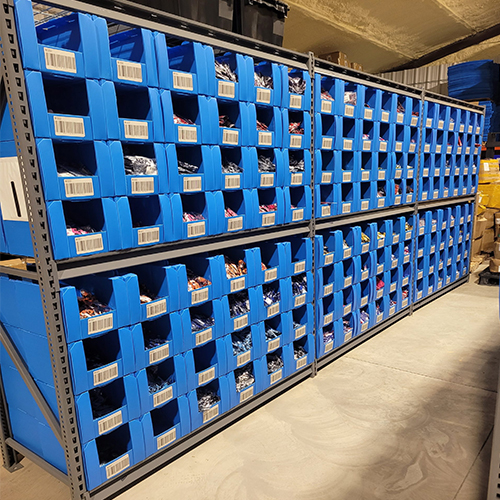
A well-organized pick bins for warehouse is a cornerstone of a successful distribution and warehousing operation. By optimizing the design and layout of your warehouse and investing in high-quality pick bins, you can improve efficiency, reduce errors, and boost overall productivity. Whether you’re a small business just starting out or an established enterprise looking to scale, a pick bins warehouse system can provide the structure and flexibility you need to grow your operations.
By following the tips in this guide, you can create a streamlined, efficient storage solution that will help you meet customer demands faster and more accurately. Remember, the right pick bins are essential for optimizing warehouse performance, so take the time to choose a system that works best for your needs.