
When it comes to efficient and safe storage and transport of goods, especially in bulk, one essential component often overlooked is the pallet layer pad. These pads, also known as pallet layer sheets, are designed to enhance the stability and protection of stacked products during transit and storage. Whether you’re dealing with fragile items or heavy-duty materials, pallet layer pads can provide significant benefits. In this article, we will explore the different types of pallet layer pads available and the key advantages they offer for businesses in warehousing, logistics, and distribution.

What is a Pallet Layer Pad?
A pallet layer pad is a flat sheet or cushion material that is placed between layers of goods stacked on a pallet. Its primary purpose is to provide protection, improve stacking stability, and facilitate easier handling during transportation or storage. Pallet layer pads are commonly made from various materials, including plastic, paper, or foam, depending on the requirements of the products being stored or transported.
Why Are Pallet Layer Pads Important?
Pallet layer pads serve multiple crucial functions, such as:
-
Protection: They act as a barrier between products, reducing the risk of damage due to friction, pressure, or direct contact with surfaces that could cause scratches, dents, or breakage.
-
Stability: Layer pads help evenly distribute the weight of stacked items, reducing the chances of shifting or toppling during movement, which could result in product damage or safety hazards.
-
Space Optimization: By creating a more uniform stacking system, pallet layer pads help optimize storage space, ensuring that goods are stacked securely without wastage of space or material.
-
Hygiene: Especially in industries like food and pharmaceuticals, pallet layer pads help maintain cleanliness and hygiene by keeping products off the floor and providing a clean surface for stacking.
Main Types of Pallet Layer Pads
Pallet layer pads come in various types, each designed for specific applications. The most common materials used include plastic, paper, and foam, and each type has its own unique benefits depending on the load requirements, environmental conditions, and the nature of the products.
1. Plastic Pallet Layer Pads
Plastic pallet layer pads are the most widely used in industries where durability and stability are essential. Made from materials like high-density polyethylene (HDPE) or polypropylene (PP), plastic pallet pads are resistant to moisture, chemicals, and wear. These features make them ideal for heavy-duty applications and environments where standard materials might fail.
Benefits of Plastic Pallet Layer Pads:
-
Durability: Plastic layer pads are long-lasting and capable of handling heavy loads, making them suitable for industrial and manufacturing settings.
-
Moisture Resistance: Unlike paper or cardboard, plastic pads won’t absorb moisture, ensuring products remain dry during storage or transit.
-
Easy to Clean: These pads can be wiped down or hosed off, making them perfect for industries that require cleanliness, such as food or pharmaceuticals.
-
Reusability: Plastic layer pads can be reused multiple times, offering long-term cost savings compared to disposable options.
Common Applications:
Plastic pallet layer pads are frequently used in:
-
Food and beverage industries (to prevent contamination)
-
Automotive and machinery manufacturing (for heavy-duty loads)
-
Pharmaceutical sectors (to maintain hygiene)
2. Paper Pallet Layer Pads
For businesses looking for an eco-friendly solution, paper pallet layer pads are an excellent option. Made from recycled materials, these pads are biodegradable, making them a more sustainable choice compared to plastic alternatives. Paper pads are available in various forms, such as corrugated sheets or recycled kraft paper.
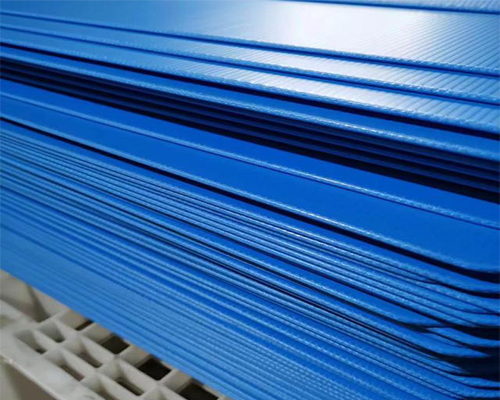
Benefits of Paper Pallet Layer Pads:
- Eco-Friendly: Made from recycled materials, these pads are biodegradable and reduce the environmental impact.
- Cost-Effective: Paper pallet layer pads are typically less expensive than plastic alternatives, making them ideal for companies with budget constraints.
- Good Cushioning: Paper pads provide adequate cushioning to protect products from scratches or minor impacts during transport.
Common Applications:
Paper pallet layer pads are used primarily in:
- Retail and consumer goods packaging (to protect products during shipping)
- E-commerce businesses (for light to medium-weight items)
- Small-scale manufacturers seeking affordable protection for products
3. Foam Pallet Layer Pads
Foam pallet layer pads are typically used for high-value or fragile products that require extra protection during storage or transportation. Made from various foam materials such as polyurethane or polyethylene, these pads provide excellent cushioning and shock absorption.
Benefits of Foam Pallet Layer Pads:
-
Shock Absorption: Foam layer pads effectively absorb impacts, reducing the risk of damage to fragile goods.
-
Lightweight: Foam pads are relatively lightweight compared to plastic, making them easier to handle and move.
-
Customizable: Foam pads can be easily customized to fit specific shapes and sizes, providing a tailored solution for delicate items.
Common Applications:
Foam pallet layer pads are ideal for:
-
Electronics and high-tech equipment (to prevent damage from drops or bumps)
-
Glassware and ceramics (to cushion fragile items)
-
Luxury goods packaging (to maintain product quality)
4. Combination Layer Pads
Some companies may opt for a combination of materials to create a layered pallet pad that maximizes the benefits of each material. For example, a combination of paper for cost-effectiveness and foam for cushioning can offer both protection and affordability.
Benefits of Combination Layer Pads:
-
Optimized Performance: Combining the advantages of different materials allows businesses to get the best of both worlds in terms of protection, cost, and environmental impact.
-
Customization: Businesses can tailor combination layer pads to suit specific products and conditions.
Benefits of Using Pallet Layer Pads
Regardless of the type you choose, pallet layer pads offer several core advantages that make them a must-have for businesses in logistics and warehousing.
1. Enhanced Product Protection
The primary benefit of using pallet layer pads is the protection they provide to products. Whether you’re dealing with delicate glassware, heavy machinery, or perishable goods, layer pads create a barrier that prevents items from rubbing against each other, sustaining scratches, dents, or damage from impacts.
2. Improved Stability During Transportation
Pallet layer pads help stabilize stacked goods, reducing the risk of shifting, toppling, or collapsing during transport. This added security prevents accidents and ensures that products reach their destination safely and intact.
3. Cost Efficiency
While the upfront cost of some pallet layer pads (especially plastic and foam varieties) may be higher than alternatives like cardboard, they are generally more durable and reusable, leading to significant cost savings in the long run. In addition, their ability to reduce product damage can lead to fewer losses, further improving the cost-effectiveness of your logistics operations.
4. Space Optimization
Pallet layer pads help maximize storage efficiency. By creating a more uniform surface for stacking goods, these pads help ensure that pallets are securely loaded and that valuable storage space is used more efficiently. This is especially beneficial in warehouses and distribution centers where maximizing vertical space is crucial.
5. Hygiene and Cleanliness
In industries where hygiene is critical, such as food and pharmaceuticals, pallet layer pads help maintain a clean environment by providing a protective layer between the product and the floor. This reduces the risk of contamination and ensures that products are stored in a sanitary manner.

Conclusion
Choosing the right pallet layer pad can make a significant difference in the efficiency, safety, and cost-effectiveness of your warehousing and logistics operations. Whether you opt for plastic, paper, foam, or a combination of materials, these pads help protect your goods, optimize storage space, and reduce the risk of damage during transportation.
By understanding the different types of pallet layer pads and their respective benefits, you can make an informed decision that aligns with the specific needs of your business. Investing in quality pallet layer pads is a step toward ensuring that your products arrive in perfect condition and that your storage and distribution processes run smoothly.
If you’re looking for high-quality plastic pallet layer pads, paper pallet layer pads, or foam pallet layer pads, there are numerous suppliers and manufacturers that can provide tailored solutions to suit your unique requirements.