
- Sophia@polyflute.com
- +86 15162372874
- Mon - Sat 8:00-20:00
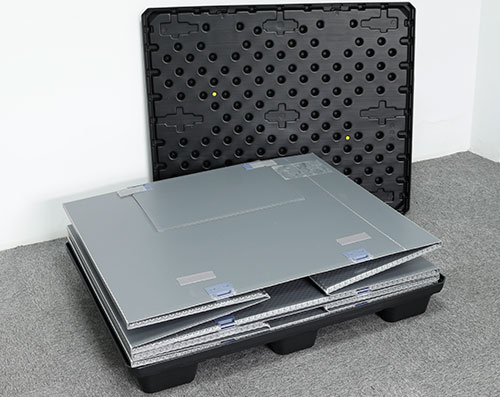
In today’s global logistics environment, businesses are constantly looking for safer, cleaner, and more durable material handling solutions. One of the most reliable and increasingly popular options is plastic euro pallets. Designed according to European pallet standards and widely used in international trade, plastic euro pallets have become an essential component in industries such as food processing, pharmaceuticals, warehousing, retail, and export manufacturing.
In this comprehensive guide, we will explore what plastic euro pallets are, their advantages over traditional wooden pallets, key specifications, applications, cost considerations, and how to choose the right supplier. If you are evaluating pallet solutions for your warehouse or export operations, this article will help you make an informed decision.
Plastic euro pallets are standardized plastic pallets designed to comply with European pallet dimensions. The most common size is 1200 mm × 800 mm, which aligns with the specifications set by the European Pallet Association (EPAL) for Euro pallets.
Unlike traditional wooden pallets, euro pallet boxes are manufactured from high-density polyethylene (HDPE) or polypropylene (PP) through injection molding or blow molding processes. These materials provide strength, chemical resistance, and durability, making them suitable for both domestic and international shipping.
Plastic euro pallets maintain consistent dimensions, smooth surfaces, and uniform load-bearing capabilities, which are critical in automated warehouses and high-efficiency logistics systems.
The standard Euro pallet size is:
Some euro pallet boxes include steel reinforcement bars to enhance racking strength, making them suitable for heavy-duty warehouse shelving systems.
There are also alternative Euro-compliant sizes such as 1200 × 1000 mm, depending on regional logistics needs.
Euro pallet boxes are non-porous and do not absorb moisture. This makes them ideal for industries with strict hygiene standards such as:
Unlike wood, plastic does not harbor bacteria, fungi, or insects. It can be easily cleaned with water or disinfectants.
Wooden pallets used for international shipping must comply with ISPM-15 regulations, requiring heat treatment or fumigation. Euro pallet boxes are exempt from these requirements, which simplifies export processes and reduces compliance costs.
Plastic euro pallets have a significantly longer lifespan compared to wooden pallets. They are resistant to:
While a wooden pallet may last 1–3 years depending on usage, a high-quality plastic euro pallet can last 5–10 years or more in controlled environments.
Wooden pallets may vary slightly in size and weight due to natural material differences. Euro pallet boxes are manufactured with precision molds, ensuring:
This consistency reduces conveyor jams and improves warehouse efficiency.
Plastic euro pallets come in different designs based on application needs.
These pallets are lightweight and designed to nest inside each other when empty. They are ideal for:
Nestable pallets reduce return freight costs and warehouse storage space.
These are designed for long-term warehouse use and racking systems. They often include steel reinforcement for higher load capacity.
They are suitable for:
Hygienic pallets have smooth, closed decks without cavities. They are widely used in food and pharmaceutical industries because they are easy to clean and resistant to contamination.
Plastic euro pallets are widely used across various industries:
Companies dealing with perishable goods require hygienic transport solutions. Plastic euro pallets ensure:
Strict cleanliness and traceability requirements make euro pallet boxes the preferred choice in pharmaceutical manufacturing and distribution.
Large retail chains and distribution centers rely on standardized pallet sizes to optimize storage space and transportation efficiency.
Since euro pallet boxes do not require fumigation under international standards, they are ideal for cross-border trade, especially in shipments to the EU and other regulated markets.
Sustainability is becoming increasingly important in logistics operations. Plastic euro pallets contribute to environmental goals in several ways:
Most euro pallet boxes are made from recyclable materials such as HDPE or PP. At the end of their service life, they can be ground and reused in new pallet production.
Because plastic pallets last longer than wooden pallets, fewer replacements are needed, reducing material waste over time.
Although the initial production of euro pallet boxes requires more energy than wood, their long lifespan results in lower overall environmental impact across multiple usage cycles.
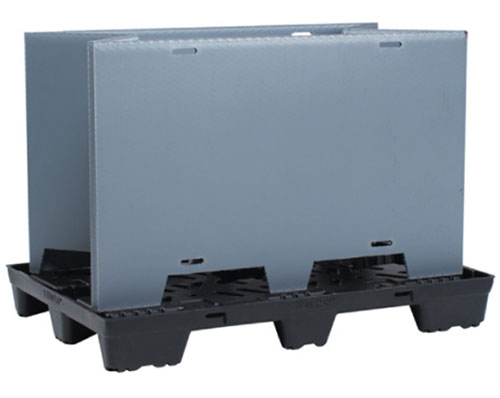
One common concern is the higher upfront cost of euro pallet boxes compared to wooden pallets.
When evaluating cost per use, plastic euro pallets often prove more economical because:
In high-turnover logistics environments, the return on investment (ROI) for plastic euro pallets can be achieved within a few years.
When selecting plastic euro pallets, consider the following factors:
Determine static, dynamic, and racking load capacities needed for your operations.
Will the pallets be exposed to:
Choose materials and designs accordingly.
If your warehouse uses automated conveyor systems or robotic handling, ensure that the plastic euro pallets are dimensionally accurate and stable.
Certain industries require compliance with specific hygiene or safety standards. Always verify that the pallet design meets relevant requirements.
| Feature | Plastic Euro Pallets | Wooden Euro Pallets |
|---|---|---|
| Hygiene | Excellent | Moderate |
| Durability | Long lifespan | Shorter lifespan |
| Weight Consistency | Uniform | Variable |
| Maintenance | Minimal | Requires repair |
| Fumigation | Not required | Required for export |
| Initial Cost | Higher | Lower |
While wooden pallets still dominate certain markets due to lower upfront cost, plastic euro pallets are rapidly gaining market share in industries where hygiene, durability, and efficiency are priorities.
With increasing automation in logistics hubs across Europe and global trade expansion, the demand for standardized and durable pallet solutions is rising.
Organizations such as the European Union promote regulatory alignment and trade efficiency across member states, which encourages the adoption of standardized pallet systems.
Additionally, the growth of e-commerce and cross-border trade has accelerated the need for durable, reusable pallet systems that support high-frequency handling.
Plastic euro pallets fit perfectly into these modern supply chain demands.

Plastic euro pallets also called pallet sleeve box, represent a modern, durable, and efficient solution for today’s logistics and supply chain challenges. Although the initial investment may be higher than wooden alternatives, the long-term benefits in durability, hygiene, export compliance, and operational efficiency make them a smart choice for many industries.
Whether you operate in food production, pharmaceuticals, retail distribution, or international trade, upgrading to plastic euro pallets can significantly enhance your material handling system.
As global supply chains continue to evolve, standardized, reusable, and sustainable solutions like plastic euro pallets will remain at the forefront of efficient logistics operations.
If you are considering transitioning from wooden to plastic pallets, now is the perfect time to evaluate how plastic euro pallets can support your business growth and operational excellence.