
- Sophia@polyflute.com
- +86 15162372874
- Mon - Sat 8:00-20:00
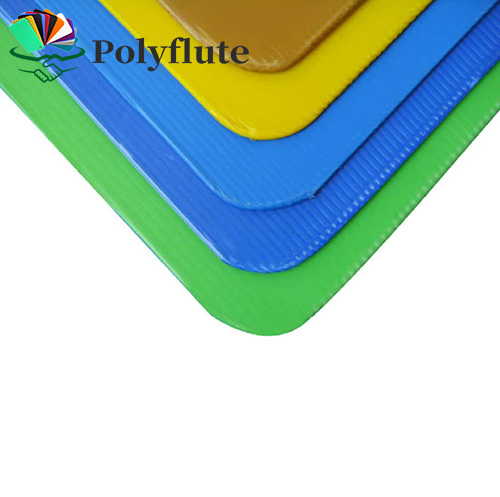
In modern logistics and industrial operations, efficiency, safety, and product protection are key priorities. One product that has gained significant attention in this context is layer pads plastic. These versatile tools are designed to optimize palletized goods, prevent damage, and ensure smooth handling across supply chains. Whether you are in food processing, manufacturing, or warehousing, understanding the role of plastic layer pads is essential for operational excellence.
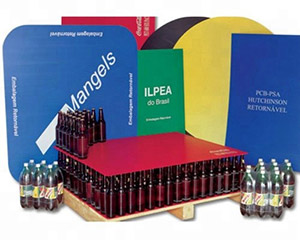
Layer pads plastic, also known simply as plastic slip sheets or pallet layer pads, are flat sheets made from durable plastic materials. They are placed between layers of products on a pallet to provide stability and prevent shifting during transportation. Unlike traditional cardboard layer pads, plastic versions are reusable, resistant to moisture, and often more hygienic, making them suitable for industries that require strict sanitation standards.
These plastic layer pads come in various sizes, thicknesses, and surface textures. Depending on the application, they may be smooth for easy sliding or textured to increase friction and reduce slippage. Some layer pads are also perforated to allow airflow, which is particularly useful in industries like food and beverage where ventilation is critical.
Switching to layer pads plastic offers several advantages over traditional materials like cardboard or paperboard. Here are some key benefits:
Plastic layer pads are highly durable and can be reused multiple times. This reduces the need for frequent replacement and lowers the overall cost of palletizing operations. Companies adopting plastic layer pads often find that their initial investment pays off quickly due to the long service life of these products.
Unlike cardboard, plastic is naturally resistant to moisture. This makes plastic pallet pads ideal for industries where products might be exposed to water, humidity, or spills during storage and transport. For example, frozen food distributors or beverage companies often rely on plastic layer pads to maintain the integrity of their products.
Plastic layer pads provide a smooth and sturdy surface that prevents products from being crushed or damaged under heavy loads. They distribute weight evenly across the pallet and reduce the risk of tipping or shifting, especially when products are stacked in multiple layers.
Plastic materials are easy to clean and sanitize, making them suitable for food, pharmaceutical, and medical industries. Unlike cardboard, which can harbor bacteria or mold if it becomes wet, plastic layer pads maintain high hygiene standards, supporting compliance with health regulations.
Although plastic is often criticized for its environmental impact, reusable plastic pallet pads can actually reduce waste compared to single-use cardboard or paperboard. By reusing these pads over time, companies can lower their environmental footprint while benefiting from the durability of plastic.

Layer pads plastic can be manufactured from various types of plastics, each with its own advantages:
The choice of material depends on factors such as load weight, environmental conditions, and industry-specific requirements.
Plastic layer pads are widely used across industries where palletized transport is common. Some major applications include:
In the food and beverage industry, hygiene and stability are critical. Plastic layer pads are used to separate cases of bottled drinks, canned food, or packaged goods. Their moisture resistance ensures that even frozen or refrigerated products remain protected during transit.
Pharmaceutical products often require strict handling standards. Plastic layer pads provide a smooth, clean surface that prevents contamination while supporting safe stacking of boxes, vials, and medical supplies.
Plastic pallet pads are also useful in electronics and appliances. They prevent products from sliding and reduce the risk of damage due to impact or vibration. Their durability ensures consistent performance, even under heavy loads.
From spare parts to automotive components, plastic layer pads provide protection for heavy and irregularly shaped items. They can be customized to fit specific pallet dimensions, ensuring maximum stability during transport.
In large warehouses and distribution centers, efficiency is critical. Plastic layer pads facilitate the use of forklifts and automated pallet handling systems, enabling faster loading, unloading, and stacking.
Selecting the appropriate plastic pallet pads involves considering several factors:
Working with a reliable supplier who can provide customized solutions is often the best approach. Many manufacturers offer tailored layer pads that meet specific operational requirements and compliance standards.
The demand for layer pads plastic has been growing steadily due to increasing global trade, e-commerce, and stricter hygiene standards. Key market trends include:
Proper care ensures the longevity of plastic pallet pads :
By following these guidelines, businesses can maximize the service life of their plastic layer pads and maintain optimal operational efficiency.
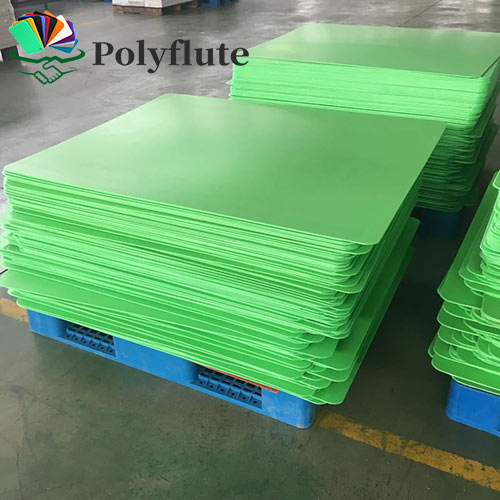
Plastic layer pads have become an indispensable component in modern logistics and industrial operations. Their durability, moisture resistance, hygiene, and versatility make them an excellent choice for a wide range of industries—from food and beverage to pharmaceuticals, electronics, and heavy industrial components.
Choosing the right plastic layer pads involves evaluating load requirements, material type, size, surface texture, and industry-specific needs. As market trends continue toward sustainability and automation, plastic layer pads will remain a key solution for efficient, safe, and cost-effective palletized transport.
For companies looking to improve product protection, operational efficiency, and environmental responsibility, investing in high-quality plastic pallet pads is a smart and forward-looking decision.