
- Sophia@polyflute.com
- +86 15162372874
- Mon - Sat 8:00-20:00

Plastic crates are indispensable tools across various industries, offering versatility in storage, organization, and transportation. Among the different types of plastic crates, stacking plastic crates are particularly popular due to their space-efficient design and durability. They are essential in industries like warehousing, retail, logistics, and even at home for household organization. This article will delve into the features and benefits of stacking plastic crates, explore the importance of custom solutions, and highlight their various industrial applications.
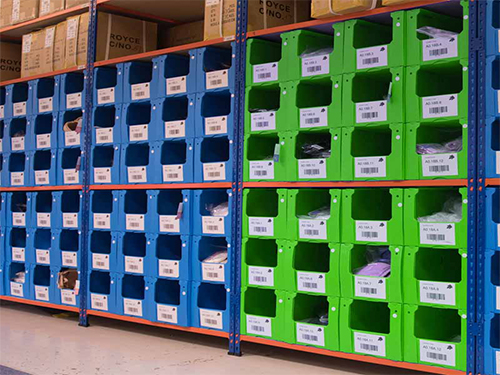
Stacking plastic crates also called stacking picking bins, are storage containers made from high-quality plastic materials that can be easily stacked on top of each other. These crates are designed to optimize space and are typically used for organizing goods, materials, or products in a way that maximizes vertical storage while keeping items accessible. The ability to stack these crates makes them an ideal solution for maximizing storage capacity, especially in areas with limited floor space.
Most stacking plastic crates are made from durable plastics such as high-density polyethylene (HDPE) or polypropylene (PP). These materials offer excellent resistance to wear, tear, moisture, chemicals, and temperature fluctuations, making them suitable for a wide variety of environments. Depending on the application, these crates may come in a range of sizes, colors, and configurations, including versions with ventilation holes for air circulation or closed types for protecting the contents from dust or contaminants.
Space Efficiency: The most significant benefit of stacking plastic crates is their ability to be stacked vertically. This saves valuable floor space, allowing users to store more goods in a smaller area.
Durability and Strength: Stacking plastic crates are built to withstand heavy loads, making them suitable for industrial and commercial use. They are designed to endure repeated handling, stacking, and transportation.
Ease of Handling: Most stacking plastic crates are equipped with ergonomic handles or openings that make them easy to carry and move. This makes them ideal for businesses that need to transport goods regularly.
Customization: Many manufacturers offer options to customize the crates, including selecting specific sizes, colors, and adding logos or branding, ensuring the product aligns with the unique needs of a business.
Reusability: Unlike single-use cardboard boxes, stacking plastic crates are reusable, reducing waste and offering a more sustainable storage option.
Ventilation Options: Some stacking plastic crates are designed with ventilation holes, making them ideal for industries dealing with perishable goods, as they allow for airflow that helps maintain freshness.
Stackability and Stability: The design of these crates ensures stability when stacked, reducing the risk of collapse or damage to the stored goods.
Stacking plastic crates are a cost-effective alternative to shelving units and other storage systems. They eliminate the need for expensive storage racks while offering a flexible solution that adapts to various organizational needs. Since these crates are reusable, businesses can reduce their long-term operational costs by avoiding the purchase of disposable packaging materials such as cardboard boxes.
The stackable design of these crates makes it easier to keep goods organized and accessible. By clearly segmenting items into different crates, businesses can streamline inventory management, reduce the time spent searching for specific items, and maintain a cleaner, more organized workspace.
One of the biggest advantages of stacking plastic crates is their ability to maximize storage space. By taking advantage of vertical storage, businesses can store a higher volume of goods in the same footprint, which is particularly useful in warehouses or small retail spaces where space is limited.
Plastic crates provide excellent protection for stored items. Whether for goods that need protection from dust or moisture or for fragile products that could be damaged during handling, stacking plastic crates offer a secure way to store and transport goods. They are particularly useful in industries where product safety and hygiene are top priorities.

One of the most significant advantages of stacking plastic crates is their customizability. Whether for storage, transportation, or organization, businesses can design stacking crates that meet their exact specifications. Custom crates can be tailored in several ways, including:
Custom stacking plastic crates can be made to different sizes to accommodate specific products or storage requirements. Whether you need extra-large crates for bulky items or smaller crates for compact products, manufacturers can create crates that suit your unique needs.
Custom colors can be chosen to align with your brand identity or for organizational purposes. For example, color-coding crates for different product categories or departments helps streamline operations and enhances visual organization.
While HDPE and PP are the most common materials, some manufacturers offer a range of material options to cater to specific needs. For example, anti-static crates are available for storing electronic components, while UV-resistant crates are ideal for outdoor use where prolonged exposure to sunlight is a concern.
Custom branding is a popular option for businesses that want to enhance their brand visibility. Having your logo or company name printed on the crates not only makes them look professional but also promotes your business when the crates are transported or stored in public spaces.
Depending on the industry, you may need crates with additional features. For example, crates used in the food industry often come with drainage holes for ventilation, while crates for fragile items may feature reinforced sides or padded interiors to prevent damage.
The food and beverage sector is one of the largest users of stacking plastic crates. These crates are used to store and transport everything from fresh produce to packaged goods. Ventilated crates are particularly useful for perishable items, as they allow air to circulate and prevent spoilage. Additionally, plastic crates help maintain hygiene and protect food from contamination during transit.
Retailers and e-commerce businesses use stacking plastic crates for efficient storage and transportation. They are especially useful for organizing products in warehouses and distribution centers. The ability to stack crates helps maximize space and ensures that items are easy to locate and retrieve when needed.
In the logistics and supply chain industry, stacking plastic crates play a critical role in the transportation of goods. These crates are durable, lightweight, and stackable, making them ideal for moving large volumes of products. Their versatility also makes them suitable for use in different modes of transport, including trucks, trains, and ships.
The pharmaceutical and healthcare industries rely on stacking plastic crates to safely store and transport medical supplies, equipment, and medicines. These crates are easy to clean, durable, and resistant to contamination, ensuring that products remain safe and intact during transit.
The automotive industry uses stacking plastic crates to store and transport components and parts. The strength and durability of these crates make them ideal for carrying heavy automotive parts without risk of damage. Their stackable design helps optimize storage in factories and warehouses.

Stacking plastic crates are a valuable tool for businesses and industries looking to improve their storage and logistics systems. Their space-saving design, durability, and customizability make them an ideal solution for organizing goods and maximizing storage capacity. By selecting the right custom options, businesses can meet their specific requirements while enhancing operational efficiency and reducing costs. Whether you’re in the food industry, retail, logistics, or manufacturing, stacking plastic crates offer a reliable, cost-effective, and sustainable solution to your storage and transportation needs.