
- Sophia@polyflute.com
- +86 15162372874
- Mon - Sat 8:00-20:00
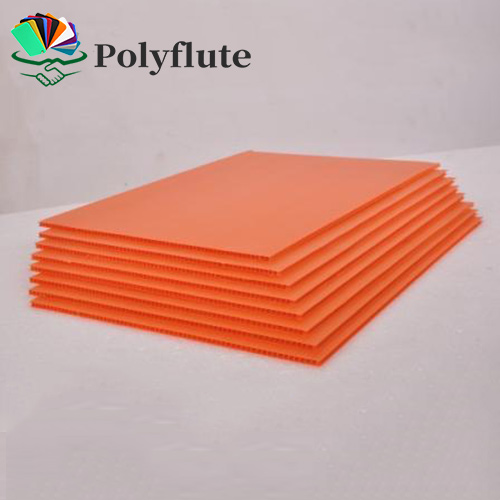
Layered plastic sheets have become an essential material choice across modern industries due to their structural flexibility, performance customization, and cost efficiency. Instead of relying on a single plastic layer to meet all functional requirements, manufacturers increasingly turn to layered plastic sheets to combine multiple materials or structures into one optimized solution.
From packaging and construction to automotive, signage, and industrial protection, layered plastic sheets are widely applied wherever strength, insulation, durability, or lightweight performance is required. Their layered construction allows engineers and buyers to balance mechanical strength, surface quality, chemical resistance, and thermal performance in a single sheet product.
This article explores how layered plastic sheets are structured, why they outperform many single-layer alternatives, and how their wide applications continue to expand across global markets.

Layered plastic sheets also refers to the corflute layer pads, are manufactured by bonding, laminating, or co-extruding two or more plastic layers into a unified sheet. Each layer serves a specific function, allowing the final product to achieve properties that would be difficult—or expensive—to realize with a single material.
The layers may differ in material type, thickness, color, surface texture, or functional additives. In many cases, the core layer provides rigidity or insulation, while outer layers focus on surface protection, printability, or chemical resistance.
This layered design concept is the key reason multilayer plastic sheets are favored in demanding applications. Instead of overengineering one material, performance is distributed intelligently across layers.
Multilayer plastic sheets are widely adopted because they deliver multiple advantages simultaneously. These advantages directly impact cost control, product lifespan, and application versatility.
By combining rigid and flexible layers, layered plastic sheets can resist bending, impact, and deformation more effectively than single-layer sheets of similar thickness. This makes them suitable for protective panels, containers, and structural components.
Layered structures, especially those with hollow or foam cores, trap air between layers. This improves heat retention and sound insulation, which is particularly valuable in construction, transportation, and industrial enclosures.
Outer layers can be engineered for UV resistance, scratch resistance, or chemical stability. This protects the inner layers and extends the service life of the sheet in outdoor or harsh environments.
Layered plastic sheets often replace solid plastic or metal sheets because they provide comparable strength at a much lower weight. This is especially important in automotive and logistics applications.
Layered plastic sheets can be customized in color, texture, thickness, and surface finish. Anti-slip surfaces, printable layers, and decorative finishes are easily integrated during production.

Layered plastic sheets can be produced using a wide range of thermoplastics, depending on performance requirements and budget considerations.
PP-based layered plastic sheets are lightweight, chemically resistant, and cost-effective. They are commonly used in packaging, reusable boxes, automotive interior panels, and industrial separators.
PE layered sheets offer excellent moisture resistance and flexibility. They are widely applied in protective packaging, liners, and agricultural applications.
Layered polycarbonate sheets are known for high impact resistance and transparency. Multi-layer PC sheets are frequently used in roofing, skylights, safety barriers, and greenhouses.
PVC layered plastic sheets provide good rigidity, flame resistance, and weather stability. They are commonly used in wall panels, signage, and construction boards.
For applications requiring high surface quality or thermoforming capability, PET and ABS layered sheets are popular choices in electronics, appliance housings, and display components.
The performance of layered plastic sheets is closely tied to how they are manufactured. Several production techniques are commonly used, each suited to different applications.
Co-extrusion allows multiple plastic layers to be extruded simultaneously and bonded while molten. This method ensures strong interlayer adhesion and consistent thickness, making it ideal for high-volume production.
Lamination involves bonding pre-formed sheets together using heat, pressure, or adhesives. This method offers greater material flexibility and is often used for specialty or low-volume layered plastic sheets.
For thicker or rigid panels, thermal bonding and compression molding are used to fuse layers into a single structural sheet.
Each method impacts cost, performance consistency, and customization options.

Packaging is one of the largest application areas for layered plastic sheets. Their lightweight nature and durability make them ideal for both protective and reusable packaging systems.
Layered plastic sheets are commonly used in:
In logistics and warehousing, layered plastic sheets offer moisture resistance, easy cleaning, and long service life, helping companies reduce packaging waste and replacement costs.
In the construction industry, layered plastic sheets are widely used for both structural and decorative purposes.
Typical applications include:
Multi-layer polycarbonate and PVC sheets are especially popular due to their balance of strength, insulation, and weather resistance. Compared to traditional materials, layered plastic sheets reduce installation weight and maintenance requirements.
Multilayer plastic sheets play a growing role in automotive manufacturing and transportation systems. Weight reduction and performance optimization are critical goals in this sector.
Applications include:
By combining impact-resistant and decorative layers, layered plastic sheets help automakers achieve both aesthetic and functional goals.
The signage and display industry values layered plastic sheets for their printability, surface quality, and dimensional stability.
They are widely applied in:
UV-resistant outer layers protect printed graphics, while rigid cores ensure flatness and long-term durability.
In industrial environments, layered plastic sheets are often used as protective barriers and functional panels.
Common uses include:
Layered plastic sheets provide a safer and more adaptable alternative to metal or glass in many industrial settings.
Multilayer plastic sheets are also widely used in agriculture due to their insulation and weather resistance.
Applications include:
Multi-layer structures help regulate temperature and light transmission, improving crop yield and energy efficiency.
Selecting the right multilayer plastic sheets depends on application requirements rather than just material type.
Key factors to consider include:
Working with an experienced multilayer plastic sheets manufacturer ensures proper material selection and structural design.
As industries move toward sustainability and efficiency, layered plastic sheets are evolving rapidly.
Future developments focus on:
These innovations will further expand the widely application of multilayer plastic sheets across emerging industries.
Layered plastic sheets represent a smart evolution in plastic material design. By combining multiple layers into one engineered structure, they offer superior strength, insulation, durability, and customization compared to single-layer sheets.
Their widely application across packaging, construction, automotive, signage, and industrial sectors proves their versatility and long-term value. As manufacturing technology continues to advance, multilayer plastic sheets will remain a critical material choice for businesses seeking performance-driven and cost-effective solutions.