
- Sophia@polyflute.com
- +86 15162372874
- Mon - Sat 8:00-20:00
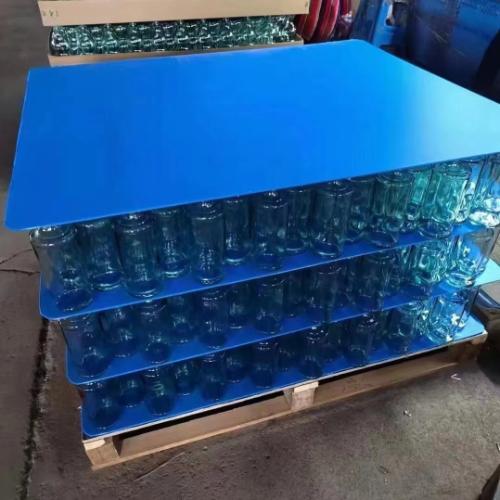
In modern logistics and supply chain management, businesses constantly look for innovative solutions to improve storage efficiency, reduce shipping costs, and enhance material handling. One such solution that has gained attention in recent years is the slip sheet palet. This technology offers an alternative to traditional wooden or plastic pallets, providing a more cost-effective, space-saving, and environmentally friendly approach to transporting goods. In this article, we will explore what a slip sheet palet is, how it works, its benefits, applications, and considerations for choosing the right solution for your business.

A slip sheet palet is a thin, flat sheet, usually made of high-density materials such as corrugated fiberboard, plastic, or composite materials, which is used to support a unit load of goods. Unlike traditional pallets that are thick, bulky, and require forklift tines to lift, slip sheet palets rely on a specialized device known as a push-pull attachment on a forklift to move the load. The forklift uses a thin metal plate to slide under the slip sheet, allowing the load to be pushed or pulled on and off the pallet, eliminating the need for bulky wooden pallets.
Slip sheet palets are designed for one-time or multiple uses, depending on the material and strength required. They are widely used in industries where reducing shipping weight and optimizing warehouse space is critical.
The operation of a slip sheet palet system is straightforward but highly efficient. Here’s how it works:
This method significantly reduces the volume and weight of packaging materials, making it cost-effective for long-distance transportation and high-volume distribution.
Slip sheet palets can be made from various materials depending on the application and load requirements:
The choice of material depends on factors such as the weight of the goods, stacking height, environmental conditions, and whether the slip sheet palet is intended for single or multiple uses.

Implementing slip sheet palets offers several notable advantages for manufacturers, distributors, and logistics providers:
Traditional wooden or plastic pallets are heavy, bulky, and often require storage space even when not in use. Slip sheet palets are thin and lightweight, which can reduce transportation costs, especially in air freight and long-distance shipping. Fewer materials also mean lower procurement costs.
Slip sheet palets take up significantly less space than traditional pallets. Warehouses and transport vehicles can store more products per cubic meter, optimizing storage and reducing the number of shipments required.
Since slip sheet palets use less material than wooden or plastic pallets, they generate less waste. Fiberboard slip sheets are recyclable, and plastic options are reusable multiple times, supporting sustainable logistics practices.
The use of a push-pull system ensures smooth movement of goods, minimizing product damage caused by rough handling or pallet splintering. This is especially beneficial for delicate products such as electronics, glass, or packaged food.
A standard wooden pallet can weigh between 15–25 kg, whereas a slip sheet palet typically weighs less than 1 kg. This significant weight reduction contributes to lower fuel consumption during transportation and easier handling within warehouses.
Slip sheet palets are suitable for a wide range of industries and applications:
Before implementing a slip sheet palet system, businesses should evaluate several important factors:
The strength and thickness of the slip sheet must be appropriate for the weight of the goods being transported. Exceeding the load capacity can lead to sheet failure and product damage.
Ensure that forklifts in your facility can be equipped with push-pull attachments compatible with slip sheet handling. Staff may require training to operate these attachments efficiently.
Some slip sheet palets are designed for single-use, while others can withstand multiple cycles. Consider the balance between cost and sustainability when choosing a reusable solution.
Plastic slip sheets are more suitable for wet or humid conditions, while fiberboard sheets are cost-effective for dry environments. Temperature and humidity can affect the performance of the material.
Ensure that the slip sheet provides a flat, stable base for the stacked products. Anti-slip coatings or textured surfaces can improve stability during transit.
Comparing slip sheet palets to traditional pallets highlights why many businesses are adopting this alternative:
| Feature | Slip Sheet Palet | Traditional Pallet |
|---|---|---|
| Material | Thin fiberboard, plastic, composite | Wood, plastic, metal |
| Weight | Very light (<1 kg) | Heavy (15–25 kg) |
| Space Saving | High | Moderate |
| Cost | Low | Higher |
| Environmental Impact | Low, recyclable | Higher, depends on material |
| Handling | Requires push-pull forklift | Standard forklift |
| Reusability | Single or multiple uses | Multiple uses, longer life |
While traditional pallets remain common, especially for very heavy or oversized loads, slip sheet palets provide an efficient alternative for businesses looking to save on cost, space, and environmental impact.
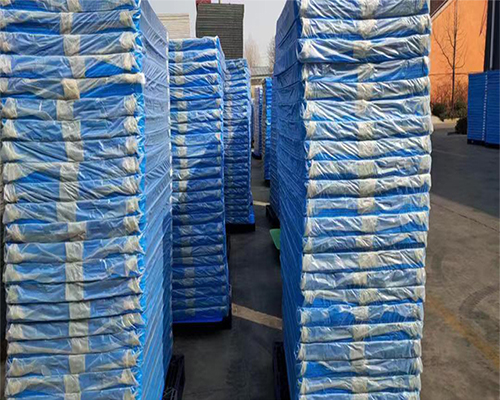
A slip sheet palet is a modern, cost-effective, and environmentally friendly alternative to traditional pallets. By reducing material usage, optimizing storage space, and facilitating smooth handling, slip sheet palets are transforming the logistics and supply chain industry. Whether in food and beverage, pharmaceuticals, consumer goods, or retail distribution, businesses can achieve significant cost savings and efficiency improvements by adopting slip sheet palet systems.
Investing in slip sheet technology requires careful consideration of load requirements, material selection, forklift compatibility, and environmental conditions. With proper implementation, slip sheet palets can enhance supply chain efficiency, reduce shipping costs, and support sustainability goals, making them a smart choice for forward-thinking businesses.