

In modern warehousing and logistics environments, efficiency is no longer a competitive advantage—it is a necessity. From e-commerce fulfillment centers to manufacturing plants and distribution hubs, storage solutions must support speed, flexibility, and scalability. Among the many storage tools available today, picking bins stackable systems stand out as a practical and adaptable option for businesses that handle high volumes of small to medium-sized items.
As order profiles become more complex and SKU counts continue to rise, warehouse managers are rethinking traditional shelving and carton-based storage. Stacking pick bins and stackable picking bins are increasingly being adopted to improve picking accuracy, streamline workflows, and make better use of vertical space. This article explores how stackable picking bins deliver value across operations, applications, and industries—without relying on basic definitions, but instead focusing on real-world usage and benefits.

Why Picking Bins Stackable Matter in High-Performance Warehouses
Warehouses today face constant pressure to pick faster, store more in less space, and adapt quickly to changing demand. Fixed storage systems often lack the flexibility needed to support these goals. Picking bins stackable solutions, on the other hand, allow storage layouts to evolve as inventory and order volumes change.
Stackable systems support modular organization, which is especially useful in environments where SKUs are frequently added, removed, or reclassified. When bins can be stacked, unstacked, or rearranged without tools, operations gain agility. This is critical for facilities handling seasonal goods, promotional items, or customized orders.
Additionally, stacking pick bins help create clear, repeatable picking zones. Items are easier to locate, access, and return, reducing errors and minimizing wasted motion.
Improving Space Utilization with Stackable Picking Bins
One of the most immediate advantages of stackable picking bins is their impact on space efficiency. Floor space is one of the most expensive assets in any warehouse, and vertical space is often underutilized.
Vertical Optimization Without Permanent Racking
Unlike fixed shelving systems, picking bins stackable designs allow operators to build upward without committing to permanent structures. Bins can be stacked securely to create vertical columns that adapt to product size and demand.
This approach offers several advantages:
- Better use of available cubic space
- Easier reconfiguration when layouts change
- Reduced need for heavy racking systems in light- to medium-duty applications
Stacking pick bins are especially effective in mezzanine areas, packing stations, and kitting zones where flexibility is more valuable than maximum load capacity.
Enhancing Picking Speed and Accuracy
Order picking is often the most labor-intensive process in a warehouse. Even small inefficiencies can lead to delays, errors, and increased labor costs. Picking bins stackable systems are designed to support faster and more accurate picking.
Visual Organization and SKU Separation
Stackable picking bins allow SKUs to be clearly separated and labeled. When bins are arranged logically—by product family, order frequency, or picking route—pickers spend less time searching and more time fulfilling orders.
Clear bin organization helps:
- Reduce picking errors
- Shorten training time for new staff
- Support batch, zone, and wave picking strategies
With stacking pick bins, commonly picked items can be placed at ergonomic heights, while slower-moving SKUs are stored higher or lower as needed.

Supporting Lean and Just-in-Time Operations
Lean warehousing principles emphasize waste reduction, continuous flow, and visual control. Stackable picking bins align naturally with these goals.
Visual Inventory Control
When inventory is stored in open-front or easy-access bins, stock levels are visible at a glance. This supports faster replenishment decisions and reduces the risk of stockouts or overstocking.
In just-in-time environments, picking bins stackable systems make it easier to:
- Implement kanban replenishment methods
- Monitor consumption rates visually
- Adjust storage capacity without major layout changes
The ability to add or remove bins quickly supports continuous improvement initiatives without disrupting daily operations.
Versatility Across Industries and Applications
The appeal of stacking pick bins lies in their adaptability. They are used across a wide range of industries, each with different storage and picking requirements.
E-commerce and Fulfillment Centers
In e-commerce operations, order profiles often include many small items picked in high volumes. Stackable picking bins help organize SKUs efficiently while supporting rapid picking and packing.
Benefits include:
- Faster order turnaround
- Reduced congestion in picking aisles
- Easy re-slotting as product assortments change
Manufacturing and Assembly Lines
On production floors, stackable picking bins are commonly used for components, fasteners, and sub-assemblies. Their modular nature supports line-side storage that can be adjusted as production schedules change.
Stacking pick bins enable:
- Cleaner, more organized workstations
- Reduced downtime due to missing parts
- Improved material flow to assembly points
Automotive, Electronics, and MRO Storage
Industries with thousands of small parts benefit greatly from stackable picking bins. Clear organization reduces the time spent locating items and minimizes costly errors.
Ergonomics and Worker Safety Advantages
Warehouse efficiency is closely tied to worker comfort and safety. Poorly designed storage systems can lead to excessive bending, reaching, and lifting—contributing to fatigue and injury.
Adjustable Heights and Easy Access
Picking bins stackable systems allow managers to adjust bin heights based on picking frequency and worker ergonomics. Frequently picked items can be positioned within the “golden zone” to reduce strain.
This results in:
- Less physical stress on workers
- Lower risk of repetitive strain injuries
- Higher productivity over long shifts
Stackable picking bins with smooth edges and easy-grip fronts further enhance safe handling.
Simplifying Inventory Management and Reconfiguration
As businesses grow, storage needs evolve. One of the key strengths of stackable picking bins is how easily they adapt to change.
Fast Reconfiguration Without Downtime
Unlike fixed shelving, stacking pick bins can be rearranged quickly to accommodate new products or changes in demand. This flexibility is especially valuable during peak seasons or when launching new product lines.
Warehouse managers can:
- Add more bins for high-demand SKUs
- Reduce bin capacity for discontinued items
- Reorganize zones without tools or contractors
This adaptability helps future-proof warehouse layouts against operational uncertainty.
Material Choices and Durability Considerations
While the design concept is consistent, picking bins stackable systems come in various materials suited to different environments.
Plastic stackable picking bins are particularly popular due to their:
- Lightweight construction
- Resistance to moisture and chemicals
- Ease of cleaning and maintenance
For cleanrooms, food handling areas, or pharmaceutical storage, material selection plays a critical role in compliance and hygiene. Durable stackable picking bins maintain their shape and stacking stability even under frequent handling.
Cost Efficiency and Long-Term Value
From a cost perspective, stacking pick bins offer strong long-term value. While they may require an initial investment, their durability and reusability help reduce replacement and reconfiguration costs over time.
Key cost advantages include:
- Lower reliance on fixed racking systems
- Reduced labor costs due to faster picking
- Fewer errors and returns
Because stackable picking bins can be reused across different projects or facilities, they support scalable growth without repeated capital expenditure.
Supporting Automation and Hybrid Warehousing
Modern warehouses increasingly combine manual picking with automation. Picking bins stackable solutions integrate well into hybrid systems.
They can be used with:
- Pick-to-light systems
- Conveyor-fed picking stations
- Mobile carts and trolleys
Stackable picking bins also support temporary automation setups, making them ideal for pilot projects or seasonal automation without permanent infrastructure changes.
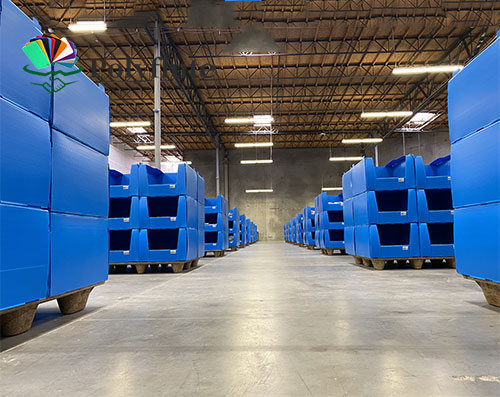
Choosing the Right Picking Bins Stackable System
While the benefits are clear, selecting the right system requires careful consideration of:
- Load requirements
- Bin dimensions and compatibility
- Stack stability and access design
Conclusion: A Practical Foundation for Scalable Warehouse Operations
As warehouses continue to evolve in response to growing complexity and customer expectations, flexible storage solutions are essential. Picking bins stackable systems provide a balanced combination of efficiency, adaptability, and cost-effectiveness.
By improving space utilization, enhancing picking accuracy, supporting ergonomic workflows, and enabling rapid reconfiguration, stackable picking bins and stacking pick bins have become an integral part of modern warehousing strategies. For businesses seeking scalable, future-ready storage solutions, stackable picking bins offer a practical foundation that grows alongside operational demands.