
- Sophia@polyflute.com
- +86 15162372874
- Mon - Sat 8:00-20:00
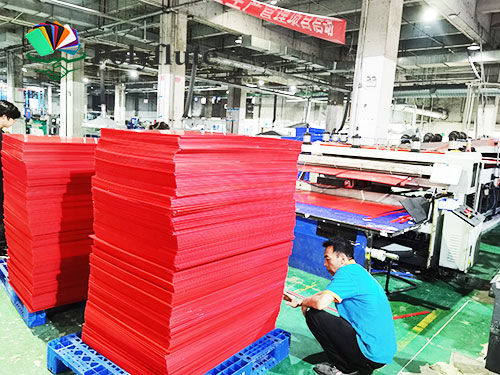
In modern logistics and warehouse management, efficiency, cost-effectiveness, and durability are crucial. One innovation that has transformed material handling in warehouses, distribution centers, and manufacturing facilities is the pallet slip sheets plastic. Unlike traditional pallets, which are bulky and sometimes cumbersome, plastic slip sheets offer a lightweight, durable, and economical alternative for transporting goods.
This article will explore the main features, advantages, and applications of plastic slip sheets for pallets, as well as tips for choosing the right solution for your operation.

Pallet slip sheets plastic are thin sheets made of high-density polyethylene (HDPE) or polypropylene (PP) that serve as a replacement for conventional wooden or plastic pallets. Typically measuring the same dimensions as standard pallets, these slip sheets act as a base layer under products and facilitate easier movement and stacking of goods.
Plastic slip sheets are designed with one or more built-in lips or flaps that allow forklifts or push-pull attachments to grip the load securely without the need for a traditional pallet. This design helps reduce the overall weight and storage space while maintaining the stability of the transported goods.
Understanding the unique features of plastic slip sheets for pallets helps companies optimize their logistics and warehouse operations. Some of the most important characteristics include:
Compared to wooden pallets, pallet slip sheets plastic are extremely lightweight. A standard wooden pallet can weigh anywhere between 15 to 30 kilograms, while a plastic slip sheet weighs just a few kilograms. This weight reduction decreases shipping costs, especially for air and sea freight, and minimizes manual handling fatigue for workers.
Plastic slip sheets are made from high-quality HDPE or polypropylene, which are resistant to cracking, splitting, and warping. This durability allows them to withstand repeated use, heavy loads, and rough handling during transportation. Unlike wooden pallets, plastic slip sheets do not absorb moisture, which prevents them from rotting, molding, or harboring pests.
Another critical feature of plastic slip sheets for pallets is their reusability. Unlike single-use wooden pallets, plastic slip sheets can be used multiple times, reducing waste and contributing to more sustainable logistics practices. Many manufacturers also produce them from recycled materials, further lowering the environmental impact.
Plastic slip sheets have smooth, flat surfaces that allow products to be stacked evenly. This feature is particularly beneficial for industries dealing with packaged goods, cartons, or shrink-wrapped products, as it prevents damage during handling and transport.
A standout feature of plastic slip sheets plastic is their compatibility with push-pull forklift attachments. These attachments can slide under the slip sheet and lift the entire load without requiring a traditional pallet. This method increases efficiency, reduces labor, and allows better space utilization in trucks and storage areas.
Plastic slip sheets are available in various dimensions, thicknesses, and load capacities. This flexibility allows businesses to select slip sheets that best fit their product sizes, weight, and storage requirements. Manufacturers can also provide custom solutions for unique logistics needs.
Unlike wooden pallets that can accumulate dirt, bacteria, and moisture, plastic slip sheets for pallets are easy to clean and sanitize. This makes them suitable for industries with strict hygiene requirements, such as food, beverages, pharmaceuticals, and chemicals.
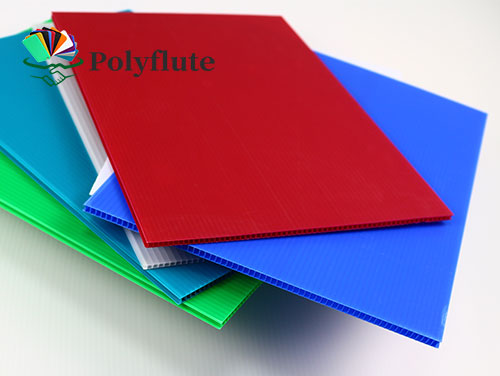
The use of plastic slip sheets plastic offers several advantages that can significantly improve warehouse operations and transportation efficiency.
By replacing bulky wooden pallets with lightweight plastic slip sheets, companies can significantly reduce shipping costs. The lighter load reduces fuel consumption, especially for long-distance transport, and allows more goods to be loaded per truck or container.
Plastic slip sheets are only a few millimeters thick, unlike wooden pallets, which can take up several inches. Using slip sheets instead of pallets maximizes storage and truck space, enabling businesses to transport more products per shipment. This advantage is particularly important for industries with high-volume, low-weight products.
Wooden pallets can splinter or break under heavy loads, posing safety risks for warehouse workers. Plastic slip sheets for pallets eliminate these hazards as they are free from nails, sharp edges, or splinters. Their smooth surfaces and durable construction reduce the risk of injuries and product damage.
Although the initial cost of plastic slip sheets may be slightly higher than wooden pallets, their long lifespan makes them more cost-effective in the long term. Reusability, resistance to environmental factors, and low maintenance costs translate into significant savings over time.
Plastic slip sheets are widely used across multiple industries, including:
Food and Beverage: Ensures hygiene and easy cleaning.
Pharmaceuticals: Maintains sanitary transport conditions.
Retail and E-commerce: Reduces shipping weight and optimizes space.
Automotive: Transports heavy parts efficiently.
Electronics: Provides stable surfaces for delicate products.
By reducing the need for disposable wooden pallets, plastic slip sheets plastic help lower deforestation rates and reduce waste in landfills. Many manufacturers also offer recyclable slip sheets, further promoting environmental sustainability.
With the push-pull forklift method, loading and unloading become faster and more efficient. This increases throughput in warehouses and distribution centers, allowing businesses to meet tight deadlines and maintain high productivity.
Plastic slip sheets are impervious to water, chemicals, and other substances that can damage wooden pallets. This property makes them ideal for transporting goods in humid environments or chemical storage areas.

Selecting the right plastic slip sheets for pallets depends on several factors. Here are some essential considerations:
Evaluate the maximum weight that the slip sheet must carry. Manufacturers offer different thicknesses and materials that can support loads from a few hundred kilograms to several tons. Choosing the correct load capacity ensures safety and durability.
Slip sheets should match the size of the products or the storage racks. Standard sizes are available, but custom dimensions are possible for unique logistics requirements.
Most plastic slip sheets are made from HDPE or polypropylene. HDPE offers higher rigidity and impact resistance, while polypropylene is lightweight and more cost-effective. Consider your operational environment when choosing the material.
Ensure your warehouse equipment, such as push-pull forklifts, is compatible with the slip sheets. Some slip sheets have reinforced lips for secure gripping, which is essential for safe and efficient handling.
If your industry demands strict hygiene standards, choose slip sheets that are easy to sanitize and resistant to bacterial growth. Food, pharmaceutical, and chemical industries often prefer smooth-surfaced, non-porous slip sheets.
Consider investing in recyclable or reusable slip sheets to reduce environmental impact. Reusability also reduces operational costs in the long term.

Pallet slip sheets plastic are an innovative, cost-effective, and sustainable solution for modern logistics. Their lightweight, durable, and hygienic properties make them a practical alternative to traditional wooden pallets. By improving space utilization, reducing shipping costs, and ensuring safe handling, plastic slip sheets have become a valuable asset in warehouses, distribution centers, and manufacturing facilities.
Businesses that adopt plastic slip sheets for pallets benefit from increased operational efficiency, lower expenses, and a positive environmental impact. Whether you are in the food, pharmaceutical, automotive, or retail industry, integrating plastic slip sheets into your logistics system is a smart investment for long-term growth.
Switching to pallet slip sheets plastic is not just about reducing costs—it’s about embracing a modern, efficient, and eco-friendly approach to material handling that aligns with the needs of today’s fast-paced supply chain.