
- Sophia@polyflute.com
- +86 15162372874
- Mon - Sat 8:00-20:00
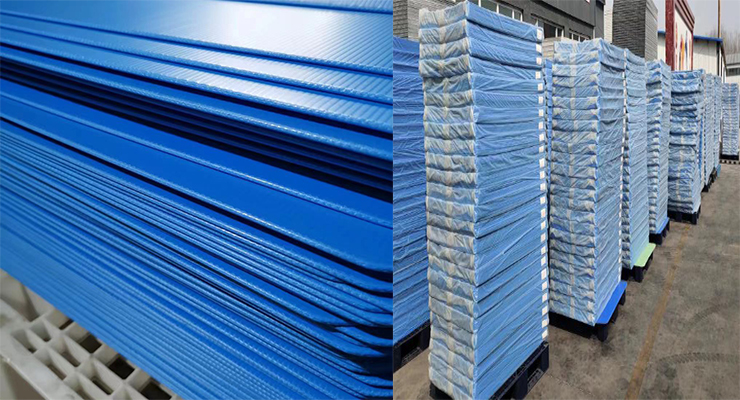
In today’s fast-paced logistics and warehousing environment, efficiency, safety, and product protection are more critical than ever. One essential tool that often goes unnoticed but plays a pivotal role in these areas is the plastic pallet layer pad. Also referred to as plastic layer pads for pallets, these pads are versatile, durable, and increasingly popular across multiple industries. From food and beverage to pharmaceuticals and industrial goods, the use of plastic pallet layer pads enhances product stability, optimizes storage, and ensures smoother supply chain operations.
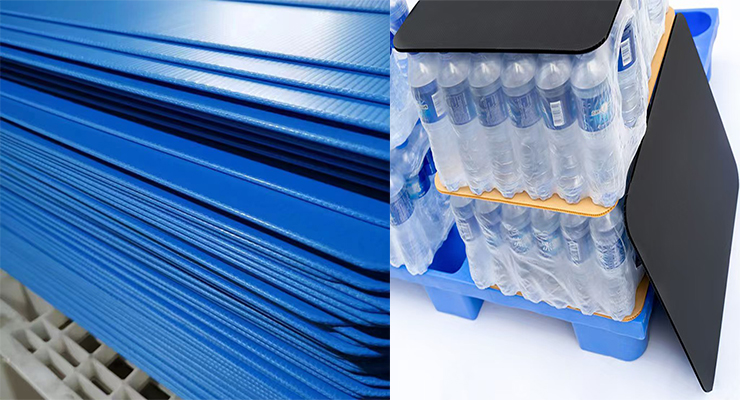
One of the most significant benefits of using plastic pallet layer pads is their ability to protect products. During storage and transportation, pallets often experience shifting, vibrations, or pressure from stacking. Plastic layer pads provide a sturdy, flat surface between product layers, distributing weight evenly and preventing crushing, deformation, or breakage.
Unlike cardboard, which can become soggy or tear under pressure, plastic pads maintain their integrity even in challenging conditions. This makes them ideal for industries dealing with delicate or high-value goods, such as electronics, glass, and food products.
Traditional paper or cardboard layer pads are susceptible to moisture, oil, grease, and other contaminants. In contrast, plastic layer pads for pallets are inherently resistant to these elements. They do not absorb liquids, making them suitable for cold storage, refrigerated transportation, or wet environments.
For example, in the food industry, plastic layer pads prevent contamination and maintain hygiene standards. Similarly, in chemical or pharmaceutical logistics, they act as a barrier, protecting products from external contaminants while ensuring compliance with safety regulations.
Sustainability has become a crucial consideration for modern supply chains. Unlike single-use cardboard layer pads, plastic pallet layer pads are designed for multiple uses. Their durability allows them to withstand repeated loading and unloading cycles without significant wear.
This reusability offers several benefits:
Many companies are now switching to plastic pads as part of their green initiatives, reducing packaging waste while improving operational efficiency.
In warehouses and during transportation, product stability is paramount. Uneven stacking or weak support layers can cause pallets to topple or shift, resulting in product loss or workplace accidents. Plastic pallet layer pads provide a solid, uniform surface that enhances the stability of stacked goods.
These pads are particularly beneficial for:
By improving pallet stability, plastic layer pads reduce the risk of accidents and product damage, leading to smoother logistics operations.

One of the strengths of plastic pallet layer pads is their versatility. They can be manufactured in different sizes to fit standard pallets, including 48×40 inches, 42×42 inches, and other custom dimensions. Additionally, they are available in various thicknesses, typically ranging from 0.5mm to 3mm or more, depending on the required strength and application.
This customization allows suppliers to offer tailored solutions for their clients, ensuring compatibility with different product types, weights, and storage conditions.
Despite their strength, plastic layer pads for pallets are lightweight, making them easy to handle and transport. Workers can quickly place them between layers without additional equipment, speeding up warehouse operations and reducing labor costs.
The lightweight nature also benefits shipping logistics, as it adds minimal extra weight to the pallet, keeping transportation costs low while providing the necessary product protection.
Although plastic pallet layer pads may have a higher initial cost compared to cardboard alternatives, they are more economical in the long term due to:
For businesses handling high volumes of products, investing in plastic pads can lead to substantial savings while enhancing supply chain reliability.
Many manufacturers now produce plastic pallet layer pads from recycled materials, making them a more eco-friendly choice than traditional disposable options. Using recycled HDPE or PP plastics reduces environmental impact, and the pads themselves can often be recycled at the end of their life cycle.
This aligns with corporate sustainability goals and helps companies meet regulatory requirements for environmentally responsible packaging.
Plastic layer pads are highly resistant to temperature fluctuations. They perform well in both cold storage and hot environments without warping, cracking, or losing structural integrity. This makes them suitable for a wide range of applications, including:
This versatility ensures that products remain safe and stable regardless of storage or transit conditions.
Hygiene is critical in industries such as food, pharmaceuticals, and healthcare. Plastic pallet layer pads can be easily cleaned with water, detergents, or disinfectants, unlike cardboard pads that cannot be reused once contaminated.
This cleanability ensures compliance with hygiene standards and reduces the risk of cross-contamination between shipments, adding an extra layer of safety for sensitive products.
The advantages of plastic pallet layer pads make them suitable for virtually any industry that requires palletized storage or transportation. Key industries benefiting from their use include:
This versatility makes plastic layer pads a universal solution for warehouse and logistics optimization.
Modern warehouses increasingly rely on automation, including palletizers, conveyors, and robotic storage systems. Plastic pallet layer pads are compatible with these systems, providing uniform thickness and rigidity that automated equipment can handle efficiently.
This compatibility improves productivity and reduces errors during automated pallet stacking, contributing to a smoother, more efficient supply chain.
When selecting plastic pallet layer pads, it’s essential to consider several factors:
By evaluating these factors, businesses can select the most suitable plastic pallet layer pads for their specific needs.
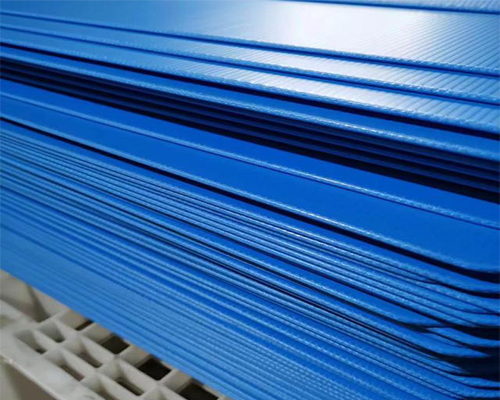
Plastic pallet layer pads are a small but powerful component in modern logistics and warehouse operations. Their advantages—ranging from product protection, moisture resistance, and reusability to improved pallet stability, lightweight design, and eco-friendliness—make them indispensable for businesses aiming to optimize supply chain efficiency.
From preventing product damage and contamination to enhancing automation compatibility and sustainability, the benefits of plastic layer pads for pallets are clear. By investing in high-quality plastic pallet layer pads, companies can reduce operational costs, protect their goods, and contribute to a greener, more efficient logistics network.
Whether you operate in food and beverage, pharmaceuticals, electronics, or industrial manufacturing, plastic pallet layer pads provide a reliable, cost-effective, and sustainable solution for modern warehousing and transportation challenges.