
- Sophia@polyflute.com
- +86 15162372874
- Mon - Sat 8:00-20:00

In today’s fast-paced logistics, manufacturing, and retail environments, efficient storage is no longer optional—it is essential. Whether you are managing a warehouse, organizing a production line, running a retail backroom, or streamlining order fulfillment for e-commerce, inventory storage bins play a critical role in keeping operations smooth, accurate, and cost-effective.
From small parts organization to bulk material handling, inventory storage bins help businesses maintain order, reduce errors, save space, and improve workflow efficiency. In this in-depth guide, we will explore what inventory storage bins are, their key benefits, common types, materials, applications, and how to choose the right solution for your specific needs.
Inventory storage bins are containers designed to store, organize, protect, and transport goods within warehouses, factories, retail spaces, and distribution centers. They are commonly used to hold parts, tools, components, finished products, and materials of various sizes.
Unlike generic containers, inventory storage bins are purpose-built for systematic organization. Many are designed to be stackable, nestable, or compatible with shelving systems, racks, and conveyors. This makes them ideal for environments where space optimization and fast access to inventory are priorities.
Modern inventory bins come in a wide range of sizes, shapes, materials, and load capacities, making them adaptable to almost any industry.
One of the biggest advantages of using inventory storage bins is improved organization. Items stored in clearly labeled bins are easier to locate, count, and replenish. This reduces time spent searching for products and minimizes picking errors.
Transparent or open-front inventory bins further enhance visibility, allowing staff to quickly assess stock levels without opening containers.
Space is a valuable asset in warehouses and storage facilities. Stackable inventory bins allow vertical storage, maximizing available space and reducing clutter. When combined with racking or shelving systems, inventory bins help businesses store more items in a smaller footprint.
Nestable bins can also save space when not in use, making them ideal for operations with seasonal demand or fluctuating inventory levels.
Well-organized inventory leads directly to improved productivity. Workers spend less time handling materials, moving items, or correcting mistakes. Inventory storage bins streamline workflows in picking, packing, assembly, and restocking operations.
In manufacturing environments, bins positioned at workstations support lean production and just-in-time inventory practices.
Inventory bins make it easier to implement FIFO (First In, First Out) or LIFO systems, track stock movement, and conduct cycle counts. This improves inventory accuracy and helps reduce shrinkage, overstocking, and stockouts.
When paired with barcode labels or RFID tags, inventory storage bins become powerful tools for modern inventory management systems.
Proper inventory bins protect stored items from dust, moisture, impact, and contamination. This is especially important for delicate components, electronic parts, food products, or medical supplies.
Additionally, organized storage reduces workplace hazards, helping prevent accidents caused by loose items or overcrowded storage areas.
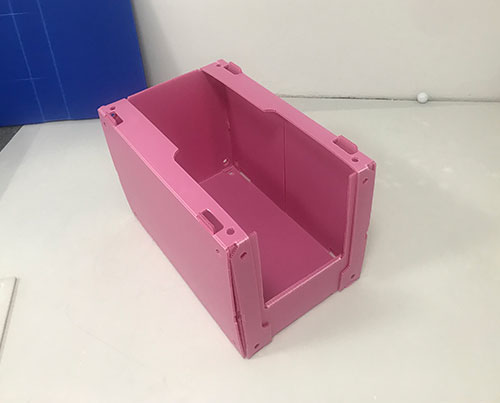
Open-front inventory bins are designed for quick access. They are commonly used for small parts, fasteners, and tools. Their angled opening allows easy picking without removing the bin from the shelf.
These bins are widely used in workshops, assembly lines, and maintenance areas.
Stackable inventory bins are among the most popular storage solutions. They are designed with reinforced rims or interlocking features that allow safe stacking without collapsing.
Stackable bins are ideal for warehouses and distribution centers where vertical storage is essential. They provide stability, flexibility, and scalability as inventory grows.
Nestable bins are designed to fit inside one another when empty, saving space during storage or return transport. When filled, they can often be stacked securely.
These bins are commonly used in logistics, retail replenishment, and reusable transport systems.
Some inventory bins include removable dividers that allow users to separate different SKUs within the same bin. This is useful for storing small components while maintaining clear separation and organization.
Heavy-duty bins are designed to handle higher load capacities and harsh environments. Made from reinforced plastic or metal, they are suitable for industrial applications, automotive parts, and bulk materials.
Plastic inventory bins are the most common choice due to their durability, lightweight nature, and cost-effectiveness. Common materials include polypropylene (PP) and high-density polyethylene (HDPE).
Advantages of plastic inventory bins:
Plastic bins are widely used across manufacturing, logistics, retail, healthcare, and food industries.
Metal bins are used when higher strength, heat resistance, or durability is required. They are often found in heavy industrial environments.
Advantages of metal inventory bins:
However, metal bins are heavier and generally more expensive than plastic options.
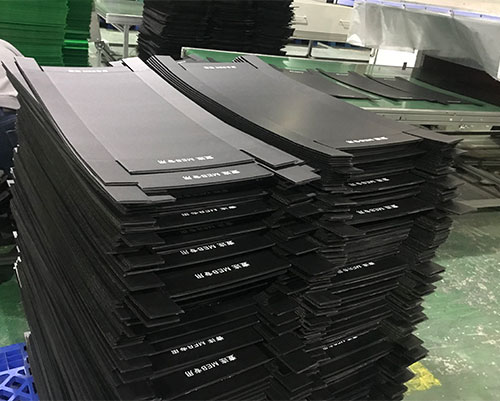
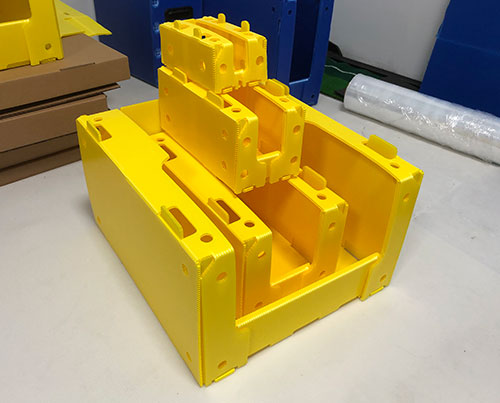
Corrugated plastic bins combine lightweight construction with structural strength. They are often used for returnable packaging, warehouse storage, and logistics.
These bins are moisture-resistant, reusable, and customizable, making them popular in automotive and electronics supply chains.
In warehouses, inventory storage bins support picking, sorting, and storage operations. They help organize SKUs, speed up order fulfillment, and reduce handling errors.
Stackable inventory bins are especially valuable in high-density storage environments.
Manufacturers use inventory bins to store components at workstations, supporting lean manufacturing and continuous production. Clearly organized bins help minimize downtime and improve assembly accuracy.
Retailers rely on inventory bins to organize backroom stock, manage replenishment, and streamline restocking processes. Color-coded or labeled bins help staff quickly identify products.
Fast and accurate order picking is critical in e-commerce. Inventory storage bins allow efficient SKU organization and are often integrated with shelving, conveyors, and automation systems.
Consider the type, size, weight, and quantity of items you need to store. Small parts require different bins than bulky or heavy items.
If space optimization is a priority, choose stackable inventory bins that are compatible with your shelving or racking systems.
Choose plastic, metal, or corrugated plastic based on environmental conditions, load requirements, and durability needs.
Open-front bins are ideal for frequent picking, while closed bins offer better protection for stored goods.
Ensure the bins can accommodate labels, barcodes, or RFID tags to support inventory management systems.
Inventory storage bins are far more than simple containers—they are a foundational element of efficient inventory management. From improving organization and space utilization to enhancing productivity and protecting products, the right inventory bins can transform how businesses operate.
Whether you need open-front bins for small parts, stackable inventory bins for warehouse storage from Polyflute.com, or heavy-duty inventory bins for industrial use, selecting the right solution is key to long-term efficiency and growth.
By understanding the different types, materials, and applications of inventory storage bins, businesses can make informed decisions that improve workflow, reduce costs, and support scalable operations in an increasingly competitive market.