
- Sophia@polyflute.com
- +86 15162372874
- Mon - Sat 8:00-20:00

In modern warehousing and logistics, efficiency, product protection, and cost management are critical. Companies handling large-scale storage or shipping operations are increasingly turning to plastic pallet layer pads as a practical solution. These pads not only enhance operational efficiency but also ensure the safety and quality of products during storage and transport. In this article, we explore the key benefits of plastic pallet layer pads and why they are becoming an essential component in supply chains worldwide.

One of the most significant advantages of plastic pallet layer pads is their exceptional durability. Unlike cardboard or paper alternatives, plastic layer pads can withstand heavy loads and repeated stacking without bending, breaking, or losing shape. This durability ensures that products remain stable, even under high stacking pressure. For warehouses and manufacturers dealing with heavy items, such as electronics, glassware, or industrial components, plastic layer pads for pallets prevent product shifting, reducing the risk of damage and accidents.
Durability also translates into long-term cost savings. Businesses no longer need to replace pads frequently, as plastic alternatives can endure hundreds of stacking cycles. Even under rigorous warehouse conditions, including constant forklift traffic and pallet movements, these pads maintain their structural integrity. This makes them ideal for high-volume operations where consistent performance is necessary.
Direct stacking of goods on pallets can result in scratches, dents, and surface damage, especially for delicate or high-value products. Plastic pallet layer pads act as a buffer between layers, absorbing pressure and friction. This protective quality minimizes product damage, which reduces losses and improves customer satisfaction. Industries like food and beverage, pharmaceuticals, and consumer electronics particularly benefit from this enhanced protection.
Furthermore, plastic layer pads reduce the chances of contamination or staining. When transporting liquids, powders, or bulk materials, a solid plastic layer ensures that substances do not leak onto products below. This containment not only protects individual items but also prevents cross-contamination between different product types.
For industries with strict cleanliness standards, such as food processing or healthcare, plastic pallet layer pads provide a significant advantage. Unlike cardboard or paper pads that absorb moisture and may harbor bacteria, plastic pads are non-porous and resistant to liquids. They can be easily cleaned and sanitized, ensuring that products remain uncontaminated during storage and shipping. This feature also supports compliance with health and safety regulations, which is critical in regulated markets.
Plastic layer pads can be washed using high-pressure water jets or even steam cleaning without compromising their durability. This ease of maintenance reduces labor time and enhances warehouse hygiene. In industries such as pharmaceuticals, where contamination can result in regulatory penalties, using plastic pads is a practical necessity.
Although the initial investment in plastic pallet layer pads may be higher than disposable alternatives, the long-term savings are substantial. Their reusability reduces replacement costs and lowers operational waste. Additionally, by protecting products and preventing damage, these pads help minimize financial losses. Over time, businesses find that plastic layer pads for pallets offer a cost-effective solution that delivers both financial and operational benefits.
Cost efficiency extends to transportation as well. Because plastic layer pads maintain their shape under weight, they prevent uneven stacking that could otherwise reduce pallet space efficiency. Optimized stacking allows more products per shipment, reducing the total number of shipments and cutting transportation costs.
Stacking and transporting products become significantly easier with plastic pallet layer pads. Their stable and uniform surface facilitates the use of forklifts, pallet jacks, and automated handling equipment. Products can be stacked quickly and securely, reducing the time needed for loading and unloading. Workers benefit from easier handling, while automated systems experience fewer errors, leading to smoother operations and faster turnaround times.
In addition, the use of layer pads improves workflow standardization. Warehouse staff no longer need to manually adjust each layer to ensure stability, which speeds up processing and reduces human error. For distribution centers managing thousands of SKUs, even minor efficiency gains per pallet can add up to significant daily productivity improvements.
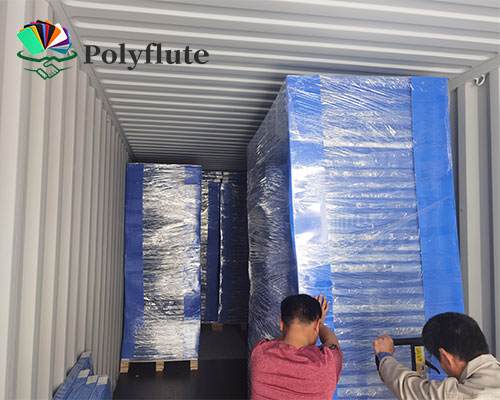
In today’s environmentally conscious market, sustainability is a key consideration. Plastic pallet layer pads are reusable and recyclable, which makes them a greener alternative to single-use cardboard or paper pads. Reducing waste not only benefits the environment but also aligns with corporate sustainability goals. Companies adopting these reusable solutions demonstrate responsibility and appeal to eco-conscious customers.
Some companies have also started using recycled plastics to manufacture layer pads, further enhancing their environmental credentials. By combining durability with recyclability, these pads offer a long-lasting solution that significantly reduces landfill contribution over time.
Another benefit of plastic pallet layer pads is their versatility. They can be used with a variety of pallet types—wooden, metal, or plastic—and accommodate different load sizes and shapes. Some plastic layer pads feature textured or anti-slip surfaces, providing additional stability during transport. This flexibility allows businesses across industries—from automotive to retail—to standardize storage and transport processes without compromising on safety or efficiency.
Versatility also means that one type of pad can serve multiple purposes. For example, food manufacturers can use them to separate layers of packaged goods, while electronics distributors can use the same pads to prevent scratches and maintain the integrity of delicate items. This universal applicability simplifies inventory management and reduces the need for multiple pad types.
Warehouses and storage facilities often face exposure to moisture, spills, or cleaning chemicals. Plastic pallet layer pads resist these elements, maintaining their structural integrity over time. Unlike cardboard alternatives that can warp or deteriorate, plastic pads remain stable, ensuring continued protection for stacked products. This resistance is particularly valuable in food, pharmaceutical, and chemical industries where exposure to liquids is frequent.
The chemical resistance of plastic layer pads also allows them to withstand cleaning agents and mild solvents commonly used in industrial environments. This makes them particularly suitable for operations where sanitation is critical and ensures long-term usability.
Using pallet layer pads contributes to a safer work environment. They provide a stable surface for stacking, reducing the need for workers to manually adjust unstable loads. This minimizes the risk of strain injuries and accidents. In addition, the consistency of layer pads ensures that automated handling equipment can operate safely and efficiently, further enhancing workplace safety.
Reduced manual handling also contributes to employee satisfaction. Workers can focus on faster, more efficient processing rather than constantly managing unstable stacks, which improves productivity and morale.
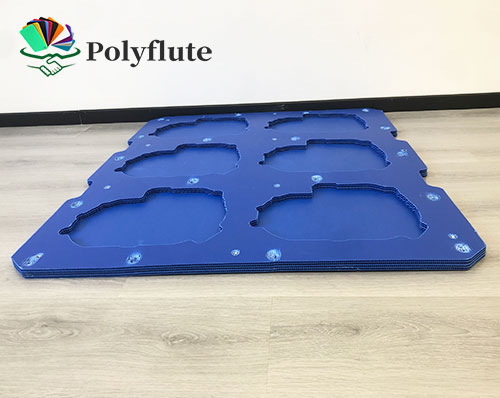
The benefits of plastic pallet layer pads are extensive, ranging from durability, product protection, and operational efficiency to environmental sustainability and worker safety. Their versatility and adaptability make them suitable for a wide range of industries, while their reusability and hygiene advantages add significant long-term value. By incorporating plastic layer pads for pallets into storage and logistics operations, businesses can improve supply chain reliability, reduce costs, and enhance overall efficiency.
For companies looking to optimize their logistics, protect valuable products, and support sustainability goals, investing in high-quality plastic pallet layer pads is a practical and strategic decision. Their proven benefits make them a cornerstone of modern, efficient, and safe warehousing practices. In increasingly competitive markets, these small yet powerful tools can deliver measurable improvements across product protection, operational efficiency, and long-term sustainability.