
- Sophia@polyflute.com
- +86 15162372874
- Mon - Sat 8:00-20:00

In the modern logistics and shipping industry, efficiency, product safety, and cost-effectiveness are key priorities. One of the unsung heroes in this area is the pallet layer sheet. Often overlooked, these sheets play a vital role in maintaining product integrity during storage and transportation. For companies that ship products in bulk or handle delicate goods, understanding the role and benefits of pallet layer sheets is essential.

Pallet layer sheets, also sometimes referred to as pallet layer pads, are flat sheets placed between layers of products on a pallet. They act as a protective barrier, distributing weight evenly across the pallet and preventing the products from shifting or getting damaged during transit. These sheets are commonly made from materials such as corrugated cardboard, plastic, or paperboard, depending on the specific needs of the shipment.
The most commonly used variant is the corrugated layer pad, which is a type of corrugated cardboard designed to provide extra strength and cushioning. Corrugated layer pads are lightweight, yet strong enough to support heavy loads, making them an ideal choice for shipping fragile items, bottles, or canned goods.
Shipping large quantities of goods often involves stacking products several layers high on a pallet. Without protection, the products at the bottom can suffer damage due to the weight of the layers above, especially during transportation when pallets may experience movement, vibrations, or uneven handling. Pallet layer pads serve several critical functions:
There are various types of pallet layer sheets, each designed to meet different shipping needs:
Corrugated layer pads are the most common type of pallet layer sheet. They consist of a fluted corrugated medium sandwiched between two liners, providing excellent strength while remaining lightweight. These pads are highly customizable in terms of size, thickness, and flute type, allowing them to accommodate different load weights and product dimensions.
Paperboard pallet layer sheets are ideal for lighter loads. They are cost-effective and recyclable, making them a popular choice for companies focused on sustainability. While they offer less cushioning than corrugated pads, they are sufficient for most everyday products.
Plastic pallet layer sheets are reusable, waterproof, and resistant to chemical damage, making them suitable for industrial and chemical shipping applications. They are more durable than paper-based sheets but come at a higher cost.
Some high-value or fragile products require additional cushioning. Foam or composite layer pads provide shock absorption, reducing the risk of breakage during handling and transit.

Pallet layer pads are versatile and widely used across industries. Common applications include:
Investing in pallet layer pads offers multiple advantages for shipping operations:
Selecting the appropriate pallet layer sheets depends on several factors:
When combined with proper palletizing techniques, the right pallet layer sheets can dramatically reduce shipping risks.
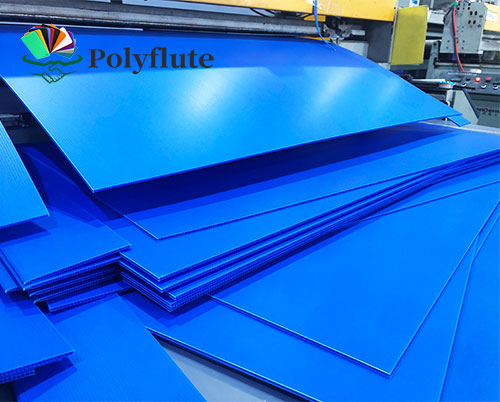
While pallet layer sheets and pallet slip sheets may appear similar, they serve slightly different purposes. Slip sheets are thin sheets placed beneath the bottom layer of a pallet to facilitate easy movement via a specialized push-pull attachment. In contrast, pallet layer sheets are positioned between product layers for protection and stability. Understanding the distinction helps businesses implement the most efficient shipping practices.
To maximize the effectiveness of pallet layer sheets, consider the following tips:
The logistics industry is evolving, and so are pallet layer sheets. Recent innovations include:
These innovations ensure that pallet layer sheets remain relevant and essential for modern shipping needs.

Pallet layer sheets may seem like a small component in the vast logistics landscape, but they have a significant impact on shipping efficiency, product safety, and cost savings. From corrugated layer pads to plastic and foam alternatives, there are options suitable for every industry and shipping requirement. By understanding their function, benefits, and best practices, businesses can optimize palletized shipments, reduce damage, and improve overall operational efficiency.
For any company involved in shipping, investing in high-quality pallet layer sheets is not just a choice—it’s a necessity. Protect your products, enhance stability, and streamline your logistics operations with the right layer pads today.
Whether you’re shipping beverages, electronics, or fragile goods, pallet layer sheets provide the protection and support your products need to reach their destination safely and efficiently. They are a small investment that yields significant returns in product preservation, customer satisfaction, and operational efficiency.