
- Sophia@polyflute.com
- +86 15162372874
- Mon - Sat 8:00-20:00
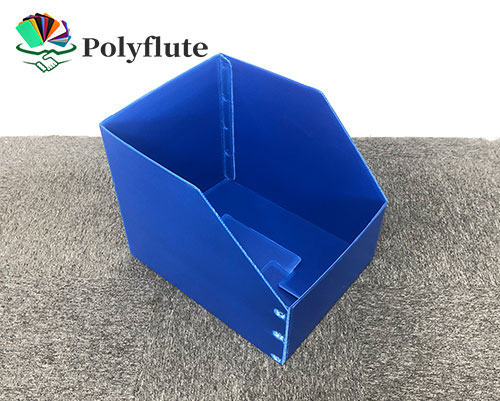
In the modern warehouse environment, efficiency and organization are paramount. Businesses that handle a large volume of products must ensure that their inventory is stored in a way that maximizes space, reduces picking errors, and enhances productivity. One of the most effective solutions for achieving this is pick bin storage. In this blog post, we will explore what pick bin storage is, the benefits it offers, best practices for implementation, and how it can transform warehouse operations.

Pick bin storage refers to a system where small to medium-sized bins are used to store individual items or SKUs (Stock Keeping Units) in an organized manner. These bins, often referred to as plastic picking bins, are typically placed on shelves, racks, or modular storage units, allowing warehouse workers to access items quickly and efficiently.
Unlike bulk storage, which is designed to store large quantities of a single product, pick bin storage focuses on accessibility and convenience. Each bin holds a manageable number of items, making it easier to pick, count, and restock inventory.
The concept is widely used in various industries, including e-commerce, manufacturing, pharmaceuticals, and automotive parts distribution. Any business that requires rapid order fulfillment and organized inventory management can benefit from implementing pick bin storage.
One of the most significant advantages of using picking bins is the improvement in order picking efficiency. Traditional storage methods often require employees to search through large pallets or boxes, consuming valuable time.
With pick bin storage, each item is stored in a clearly labeled bin, making it easier to locate and retrieve. This reduces the average picking time per order and increases overall warehouse productivity.
Errors in order picking can be costly for businesses. Sending the wrong product or quantity can lead to customer dissatisfaction and returns. Pick bin storage helps mitigate these risks by providing a systematic way to organize inventory.
Bins are usually labeled with product information, such as SKU numbers, descriptions, and even barcodes. This structured system reduces the chance of human error and ensures that the right product is picked every time.
Warehouses often struggle with limited space. Pick bin storage maximizes vertical and horizontal storage by using modular shelving systems. This allows warehouses to store more items in a smaller footprint.
Additionally, bins can be stackable, allowing for better use of vertical space without compromising accessibility. This is particularly beneficial for warehouses with high SKU diversity, where efficient space utilization is critical.
Inventory management is simplified with pick bin storage. Each bin represents a specific SKU or product type, making it easy to count stock levels at a glance. Warehouse managers can quickly identify low-stock items and reorder them before they run out.
Many warehouses integrate pick bin storage with inventory management software. By scanning barcodes on the bins, the system automatically updates stock levels in real time. This reduces manual counting and improves inventory accuracy.
Pick bin storage systems are highly scalable. As your business grows, additional bins and shelving units can be added to accommodate more SKUs. This flexibility allows warehouses to expand without major structural changes.
Bins come in various sizes and materials, such as plastic, metal, or wire mesh, making it easy to customize the system according to the types of products being stored. Whether you are storing small electronics, spare parts, or food items, there is a pick bin solution that fits your needs.

There are several types of picking bins that warehouses commonly use:
Selecting the right type of pick bin depends on factors such as item size, weight, fragility, and frequency of access.
To maximize the benefits of pick bin storage, consider the following best practices:
Arrange picking bins by SKU numbers and categorize them based on picking frequency. High-demand items should be stored at waist level for easy access, while low-demand items can be placed higher or lower on shelves.
Each bin should have a clear label indicating the product name, SKU, and quantity. Labels can also include barcodes for integration with warehouse management systems (WMS). Proper labeling reduces picking errors and improves efficiency.
Using standardized bin sizes makes stacking and shelving easier and more uniform. Standardization also simplifies training for new warehouse staff and reduces the need for custom storage solutions.
Ensure that bins are easily accessible and that items can be retrieved without moving other bins. Avoid over-stacking, which can slow down picking and increase the risk of accidents.
Leverage technology to enhance pick bin storage. Warehouse management systems (WMS) can track inventory in real-time, automate reordering, and generate reports. Barcode scanners, RFID tags, and automated picking systems can further streamline operations.
Even with an organized system, regular audits are essential. Conduct periodic checks to ensure that bin contents match inventory records. This helps maintain accuracy and reduces discrepancies.

Pick bin storage is versatile and can be applied in multiple warehouse scenarios:
The adaptability of pick bin storage ensures that it meets the needs of warehouses of all sizes, from small businesses to large-scale distribution centers.
Q1: What is the difference between pick bin storage and bulk storage?
A: Pick bin storage focuses on small to medium-sized items stored in individual bins for easy access, while bulk storage is designed for large quantities of a single item, often on pallets.
Q2: How do I choose the right pick bin for my warehouse?
A: Consider the size, weight, and fragility of your items. Plastic bins are versatile, metal bins are durable, and wire mesh bins offer visibility.
Q3: Can pick bin storage be used in cold storage or freezer warehouses?
A: Yes, certain plastic and metal bins are designed to withstand low temperatures and can be used in cold storage environments.
In today’s competitive logistics and distribution environment, efficient warehouse management is essential. Pick bin storage offers a practical, flexible, and scalable solution for improving inventory organization, picking efficiency, and overall warehouse productivity.
By incorporating picking bins, clearly labeling products, integrating technology, and following best practices, warehouses can reduce errors, optimize space, and streamline operations. Whether you are running a small e-commerce business or a large distribution center, pick bin storage can significantly enhance your warehouse management strategy.
Investing in an organized and systematic storage solution is no longer optional; it is a necessity. By choosing pick bin storage for your warehouse, you are setting up your business for smoother operations, faster order fulfillment, and better customer satisfaction.