
- Sophia@polyflute.com
- +86 15162372874
- Mon - Sat 8:00-20:00
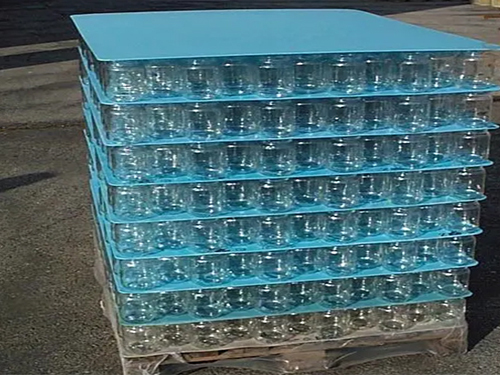
As environmental awareness continues to grow, businesses are increasingly seeking sustainable solutions for their packaging needs. One such innovation is reusable layer pads for bottles, a product designed to streamline packaging while reducing waste. In this blog post, we’ll explore what reusable layer pads are, how they benefit the bottle packaging process, and why they are becoming an essential choice for manufacturers and consumers alike.
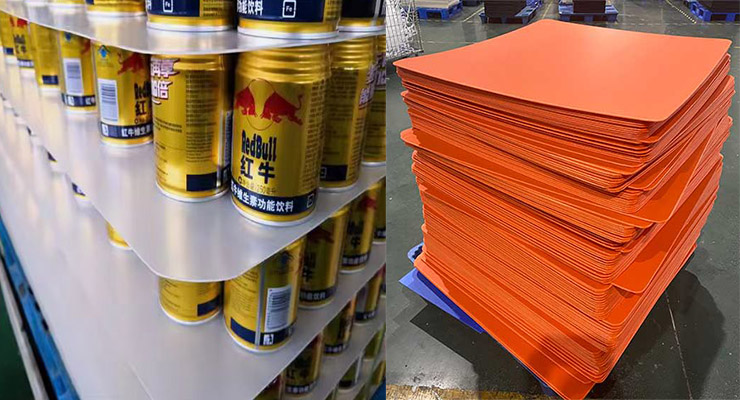
Reusable layer pads are protective sheets designed to be placed between layers of bottles or other products during transportation and storage. These pads are typically made from durable, eco-friendly materials like plastic or foam, and are engineered to prevent damage, scratches, and breakage. Their primary function is to separate individual bottles, creating a stable and organized stacking system. Reusable layer pads can be reused multiple times, unlike single-use alternatives, which makes them an attractive option for businesses looking to reduce waste and lower operational costs.
These pads can be customized in various sizes and thicknesses to meet the specific requirements of different bottle types, such as glass or plastic bottles, and they are particularly useful in industries like food and beverage, pharmaceuticals, and cosmetics.
Sustainability has become a key consideration for companies across all industries. As consumers and businesses alike become more eco-conscious, companies are under pressure to reduce their environmental impact. The packaging industry, in particular, has made significant strides in adopting greener practices.
Single-use plastic and foam packaging have long been a concern due to their contribution to pollution and waste. This has led to a rise in the demand for alternatives that are both effective and eco-friendly. Reusable pp layer pads offer a significant advantage in this regard. By opting for reusable pads instead of disposable packaging materials, businesses can significantly reduce the amount of waste generated and contribute to a circular economy.
One of the most immediate benefits of reusable layer pads is the cost savings they offer. Traditional packaging materials, such as single-use corrugated boxes or plastic wraps, need to be replaced constantly, leading to continuous costs for businesses. In contrast, reusable layer pads are designed to withstand repeated use, which means companies can invest in these pads once and use them for numerous shipping cycles.
This reduction in recurring costs can be significant, particularly for businesses that ship large volumes of bottles. The initial investment in reusable layer pads pays off over time, helping to lower packaging expenses and improve profitability.
Reducing environmental impact is one of the most compelling reasons to switch to reusable layer pads. Traditional packaging materials like plastic foam or bubble wrap are often not recyclable and end up in landfills. In contrast, reusable layer pads can be cleaned and used multiple times, minimizing waste and reducing the carbon footprint associated with production and disposal.
By using reusable layer pads, companies can demonstrate their commitment to sustainability, which is increasingly important to today’s eco-conscious consumers. This not only helps protect the planet but also improves a brand’s reputation and appeal in the market.
Another significant benefit of pp layer pads is their ability to protect bottles during transit. These pads act as shock absorbers, preventing bottles from colliding with one another or suffering from external pressure that might cause damage. For industries dealing with fragile glass bottles or containers, this added protection is crucial.
The customizability of reusable layer pads ensures they can be tailored to fit the exact dimensions of different bottles, providing a snug fit that minimizes the risk of damage. Whether it’s wine bottles, cosmetic packaging, or pharmaceutical vials, reusable layer pads offer a reliable solution to keep products safe during transport and storage.
Reusable layer pads also contribute to more efficient packaging and better use of space. These pads are designed to be lightweight yet durable, allowing businesses to optimize their packaging processes. Because the pads are reusable, they can be incorporated into a streamlined packaging process, reducing the need for excess materials or manual labor.
Additionally, reusable layer pads can be stacked more efficiently, which means less space is required in storage or during transportation. This improved space utilization can lead to more cost-effective shipping, as fewer shipments are needed to transport the same amount of product.
Reusable layer pads are versatile and can be adapted to a wide range of industries that require bottle packaging. For example:
Another advantage of reusable layer pads is the potential for branding. These pads can be customized with logos, colors, and messaging, offering businesses an opportunity to enhance their brand visibility. Since the pads are reused multiple times, this ensures that a brand’s logo is seen repeatedly, helping to build brand recognition and customer loyalty.
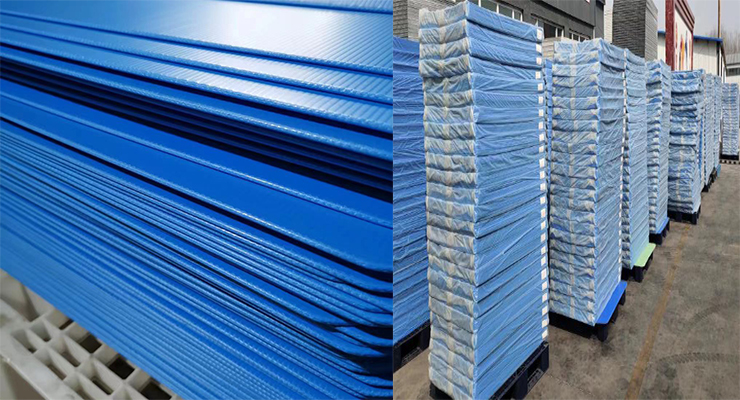
Choosing the right layer pads for bottles depends on several factors, including the type of bottle, the level of protection required, and the specific needs of your business. Here are a few considerations when selecting reusable layer pads:
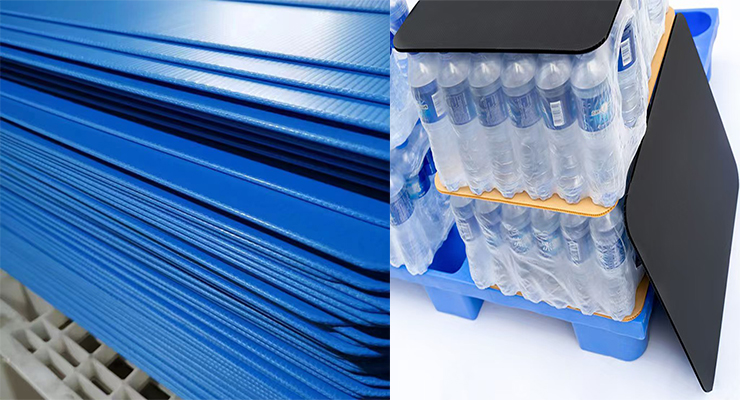
In conclusion, reusable layer pads for bottles offer numerous advantages for businesses looking to reduce waste, protect their products, and save on packaging costs. By opting for reusable layer pads, companies can contribute to a more sustainable future while enhancing the efficiency and safety of their packaging processes. Whether in the food and beverage, cosmetics, or pharmaceutical industries, reusable layer pads provide a practical, eco-friendly solution that benefits both businesses and the planet.
As sustainability continues to be a priority for consumers, businesses that adopt reusable and environmentally friendly packaging solutions will not only reduce their environmental impact but also improve their brand image and appeal to a growing eco-conscious market.