
- Sophia@polyflute.com
- +86 15162372874
- Mon - Sat 8:00-20:00
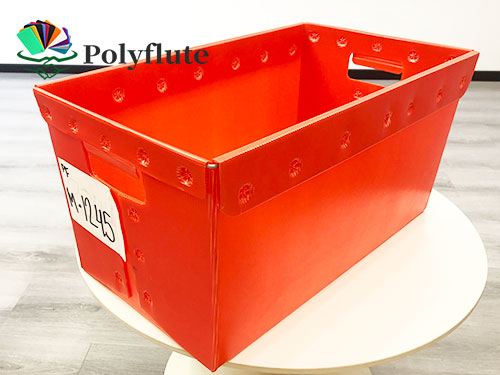
Corflute storage boxes have become a preferred choice for many industries seeking durable, reusable, and lightweight packaging solutions. Instead of explaining what these boxes are, this article focuses on how different sectors actually use them, why they fit into specific workflows, and how companies benefit from incorporating them into daily operations. The practical value of corflute storage boxes becomes clear when observing real applications across logistics, manufacturing, retail, agriculture, healthcare, and more.
The automotive industry handles thousands of components every day, from tiny clips to large assemblies. Corflute storage boxes perform exceptionally well in this environment because they withstand oil exposure, metal friction, and repeated handling. Suppliers pack gaskets, bolts, wiring harnesses, fasteners, and interior trim pieces in these boxes for safe movement across production lines.
Assembly-line workers appreciate that the boxes retain shape even after heavy use. Their smooth surfaces prevent scratching sensitive components. When combined with internal dividers, they keep small parts separated, reducing mixing errors. Many automotive suppliers also use color-coded corflute boxes to mark different production stages, improving workflow clarity and reducing time spent searching for parts.
Electronics manufacturing requires strict control over static, dust, and physical damage. Corflute storage boxes are often customized with anti-static materials to protect sensitive items. Printed circuit boards, sensors, wiring modules, and precision assemblies are stored and transferred safely inside these boxes.
Factories often add ESD foam, bubble pads, or molded inserts to maintain stable positioning of components. This prevents friction during vibration or movement. Corflute storage boxes with QR code printing help fast-paced SMT lines track inventory quickly. Because the boxes don’t absorb moisture, they help maintain stable conditions for moisture-sensitive electronics components during transport.
Agriculture heavily depends on packaging that resists moisture and can be cleaned easily. Farmers use corflute storage boxes to move vegetables, fruits, seedlings, and chemicals from farms to distribution centers. Unlike disposable cardboard, the boxes do not soften when placed on wet ground or exposed to rain during harvest.
Exporters of fresh produce choose these boxes because they withstand refrigeration environments and repeated washing. Their rigid structure protects delicate crops like berries, grapes, greens, and tomatoes. Some operations use ventilated-style corflute boxes to improve airflow, helping produce stay fresh during long-haul transport.
In the food industry, hygiene and durability matter more than anything. Corflute storage boxes play a role in bakeries, catering businesses, cold-chain logistics, and supermarket distribution. Facilities use them to transport bread trays, packaged meals, sauces, frozen foods, or beverages.
The ability to sanitize the boxes quickly with water or disinfectant helps companies maintain compliance with health standards. Supermarkets rely on these boxes for backroom organization, especially during peak seasonal restocking. Because corflute storage boxes are lightweight yet strong, workers can move them easily even when they contain heavy packaged goods.
Medical logistics requires packaging that stays clean, dry, and structurally stable. Corflute storage boxes are widely used to transport medical equipment, diagnostic devices, sterile packaging, and laboratory tools. Hospitals use them for internal distribution of supplies because they don’t absorb liquids and can be wiped clean instantly.
Pharmaceutical distribution centers rely on custom-sized corflute boxes with printed labels or barcodes to manage batch tracking and avoid misplacement. Their rigid structure protects fragile glass vials, medicine bottles, and temperature-sensitive products. When combined with insulating liners, these boxes support controlled-temperature shipping.
Retailers use corflute storage boxes for more than backroom storage. They are incorporated into visual merchandising, display stands, and organizational systems. Seasonal items, promotional merchandise, and clearance products are often displayed in custom-designed boxes that match store colors or branding.
Because they can be printed with logos or instructions, retailers use them to streamline in-store logistics. Staff members move products quickly from warehouse to shelf without dealing with collapsing cardboard. Corflute storage boxes also serve as reusable bins during inventory counts, reducing waste created by one-time-use cartons.

E-commerce operations handle constant product movement, returns, and rapid restocking. Corflute storage boxes support these demanding workflows because they resist the friction of conveyor systems and sorting equipment. Fulfillment centers use them to transport SKUs across picking, packing, and scanning stations.
Boxes with printed barcodes or color labels help reduce picking errors. Foldable designs save storage space when boxes are not in use. Since corflute boxes maintain consistent size and shape, they stack more predictably in warehouse racks, improving vertical storage efficiency. Many e-commerce companies use them for circular packaging systems, especially for return logistics.
Logistics hubs depend on packaging that withstands long transport routes and rough handling. Corflute storage boxes perform reliably on pallets, conveyor belts, forklifts, and trucks. Their high stacking strength helps warehouses optimize space.
Many logistics companies prefer these boxes for:
Because they can be customized to fit pallet sizes, they reduce movement during shipping, preventing damage. Reusable designs help companies cut down packaging waste, aligning with sustainability goals.
On construction sites, packaging must endure dust, knocks, and exposure to the elements. Corflute storage boxes are used for storing fasteners, fittings, cables, measuring tools, and protective equipment. Workers like that these boxes are easy to hose down and do not tear even when dragged across rough surfaces.
Engineering workshops use them for parts organization and tool control. Boxes with dividers help keep nuts, bolts, washers, and specialized components sorted. Since they resist chemicals and oils, they are suitable for mechanical engineering and heavy equipment maintenance facilities.
Event organizers and printing companies handle a large variety of promotional materials that require lightweight and clean packaging. Corflute storage boxes carry brochure packs, foam board signs, banners, and display components to event venues.
Because these items must remain clean and crease-free, the boxes’ rigidity protects them during travel. Some companies print branding directly on the boxes, allowing them to serve as portable storage and display units at exhibition booths.
Schools, universities, and offices use corflute storage boxes to manage documents, teaching materials, exam papers, and stationery. Libraries rely on them for book sorting and internal transfers. Their durability makes them suitable for repeated handling by students or staff, and color-coded boxes help maintain an organized system.
Teachers often prefer lightweight boxes that can be carried across classrooms without risk of tearing. Administrative departments use them for archiving or transporting materials between buildings.
While industries are the primary users, homeowners increasingly adopt corflute storage boxes for garages, basements, and outdoor sheds. They are ideal for storing gardening tools, seasonal decorations, sports equipment, toys, and hobby materials.
Because they resist moisture and insects better than ordinary cardboard, they perform well in less-controlled environments. People use them for balcony storage, rooftop items, and transport during moving or renovation projects.
Cold chain distribution is especially demanding due to condensation, temperature fluctuations, and humidity. Corflute storage boxes remain stable inside freezers and refrigerated trucks. They are used for frozen seafood, meat products, ice cream packaging, and chilled beverages.
Since they do not deform when exposed to moisture, they reduce product loss. Their smooth surfaces discourage mold and bacteria buildup, supporting hygiene management.
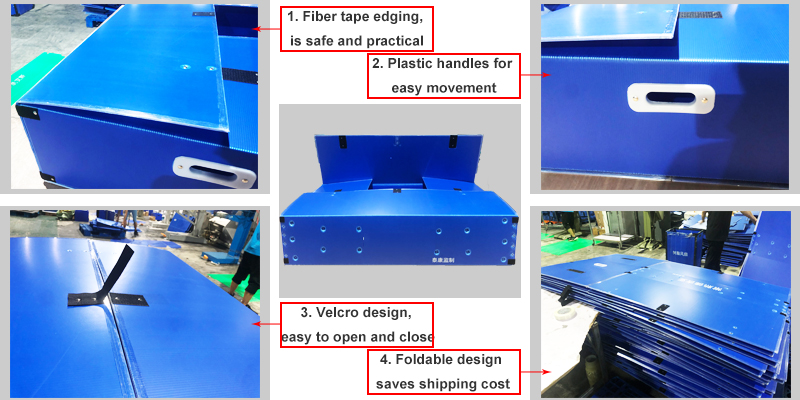
The applications of corflute storage boxes across different industries demonstrate their versatility and long-term value. From automotive manufacturing to food distribution, from retail to medical logistics, these boxes solve storage, transportation, organization, and environmental challenges. Their combination of strength, reusability, and customizability makes them a reliable asset for businesses seeking efficient and sustainable packaging solutions.