
- Sophia@polyflute.com
- +86 15162372874
- Mon - Sat 8:00-20:00

In modern logistics, warehousing, and industrial operations, storage solutions play a critical role in ensuring efficiency, safety, and cost-effectiveness. One product that has gained immense popularity across industries is the plastic storage pallet box container. These containers combine the advantages of plastic materials with the practical functionality of palletized storage, offering versatile solutions for a wide range of applications. In this article, we will explore the features, benefits, manufacturing process, and key applications of plastic storage pallet box containers, helping you understand why they are an essential investment for your business.

A plastic storage pallet box container is a durable storage unit designed for bulk material handling and transportation. It typically consists of a robust plastic box mounted on a pallet base, which can be lifted and moved using forklifts, pallet jacks, or automated handling systems. These containers are often made from high-density polyethylene (HDPE) or polypropylene (PP), materials known for their strength, chemical resistance, and long service life.
Unlike traditional cardboard boxes or metal containers, plastic pallet boxes are reusable, moisture-resistant, and capable of withstanding rough handling, making them ideal for both storage and transportation. They come in various sizes, designs, and load capacities to accommodate different types of goods, from raw materials to finished products.
There are several reasons why plastic storage pallet box containers have become a preferred choice across multiple industries:
Plastic pallet containers are designed to handle heavy loads while resisting impact and deformation. Unlike cardboard or wooden boxes, they do not splinter, rot, or corrode. This durability ensures long-term use, reducing replacement costs and downtime.
Most plastic storage containers are made from HDPE or PP, which are highly resistant to moisture, chemicals, and oils. This makes them suitable for storing food, pharmaceuticals, chemicals, and other sensitive materials without risk of contamination or damage.
Plastic pallet boxes can be reused hundreds of times, making them an environmentally friendly alternative to single-use packaging. Many containers are also recyclable, which contributes to a circular economy and reduces industrial waste.
Mounted on standard pallet bases, these containers are compatible with forklifts, pallet jacks, and automated conveyor systems. Some designs are collapsible or stackable, optimizing storage space and reducing transportation costs.
Plastic storage pallet box containers can store a wide variety of goods, from bulk raw materials like grains and plastics to finished products like automotive parts and electronics. They can be customized with lids, dividers, and drainage holes to suit specific applications.

Understanding the production process helps explain why these containers are so reliable and adaptable. The manufacturing process typically includes the following steps:
High-quality polypropylene (PP) or high-density polyethylene (HDPE) is chosen as the base material. Additives may be included to enhance UV resistance, color, or chemical stability depending on the intended application.
The two most common methods of producing plastic pallet boxes are injection molding and blow molding:
After shaping, the containers are cooled to retain structural integrity. Once cooled, they are removed from the molds and inspected for defects such as warping, uneven surfaces, or thin walls.
Some plastic storage pallet boxes have additional components like detachable lids, folding sides, or reinforced pallet bases. These parts are assembled and securely attached to ensure durability and ease of use.
The final stage involves rigorous quality checks, including load testing, dimensional accuracy, and resistance to impact and chemicals. This ensures that each container meets industrial standards and is ready for safe handling and transportation.
The versatility and advantages of these containers make them suitable for a wide range of applications:
Plastic pallet boxes are widely used in warehouses and distribution centers. Their stackable and collapsible designs optimize space, while compatibility with forklifts and pallet jacks simplifies inventory movement. Key benefits include:
Due to their hygiene, chemical resistance, and durability, plastic pallet boxes are ideal for storing and transporting food products such as fruits, vegetables, grains, and beverages. Some containers are designed to meet food-grade standards, ensuring compliance with safety regulations.
In industries where contamination or chemical reactions are a concern, plastic storage pallet boxes provide secure, non-reactive storage. Their resistance to acids, alkalis, and solvents makes them perfect for chemicals, lab equipment, and pharmaceutical products.
Plastic pallet boxes are commonly used for storing raw materials, parts, and finished goods in manufacturing and assembly lines. Automotive plants, electronics manufacturers, and industrial suppliers benefit from the uniformity, stackability, and durability of these containers.
Farmers and horticulturists often use plastic pallet boxes for harvesting, transporting, and storing produce. The containers’ resistance to moisture and mold ensures the quality of fresh produce during handling and transport.
Retailers and e-commerce businesses use plastic storage pallet box containers for inventory management, returns processing, and order fulfillment. Their stackable design saves floor space and improves warehouse organization.

Selecting the right container depends on the specific needs of your operation. Here are key factors to consider:
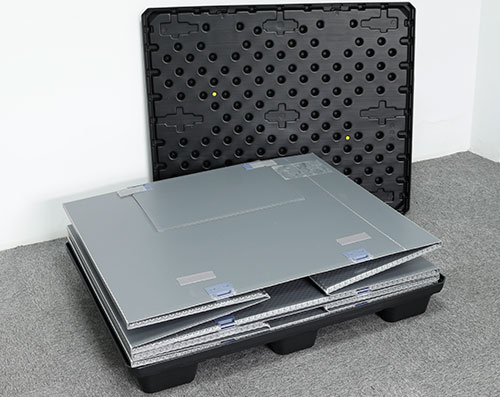
A plastic storage pallet box container is a versatile, durable, and cost-effective solution for modern storage and logistics challenges. Its combination of strength, moisture and chemical resistance, reusability, and ease of handling makes it ideal for industries ranging from warehousing and food processing to manufacturing and agriculture.
By understanding the manufacturing process, key features, and potential applications, businesses can make informed decisions to optimize storage, protect valuable goods, and improve operational efficiency. Whether you need containers for bulk materials, sensitive products, or warehouse organization, a plastic storage pallet box container offers reliability, flexibility, and long-term value for your application.
Investing in high-quality plastic storage pallet boxes ensures that your operations remain efficient, safe, and cost-effective, supporting both day-to-day workflows and long-term growth.