
- Sophia@polyflute.com
- +86 15162372874
- Mon - Sat 8:00-20:00

In today’s world, sustainability, efficiency, and cost-effectiveness are no longer optional—they are vital for businesses in every industry, especially in the beverage sector. Among the innovations supporting these goals, the reusable bottle tray stands out as a practical and environmentally friendly solution. These trays play a critical role in transporting, storing, and handling bottles safely and efficiently. However, not all reusable trays are created equal. The choice of material significantly impacts their durability, usability, and overall effectiveness. Among various options, PP material, or polypropylene, has emerged as a superior choice. In this article, we will explore why a reusable bottle tray made from PP material is the best investment for businesses and individuals alike.

A reusable bottle tray is designed to carry multiple bottles, providing stability and protection during transportation and storage. Unlike disposable trays, reusable trays are engineered to withstand repeated use, minimizing waste and lowering long-term costs. They are commonly used in the beverage industry, including water, soft drinks, beer, wine, and dairy, as well as in pharmaceutical and cosmetic sectors where glass or plastic bottles are involved.
Key features of reusable bottle trays include:
While the tray’s design is essential, the material used is just as crucial. Here is where PP material makes a significant difference.

PP, or polypropylene, is a thermoplastic polymer widely used in packaging, automotive components, and consumer goods. Its popularity stems from a unique combination of mechanical, chemical, and thermal properties. PP is lightweight yet strong, resistant to impact, and can endure repeated use under demanding conditions.
The key characteristics of PP material include:
Given these properties, PP is an ideal material for reusable bottle trays, especially in industries where hygiene, longevity, and efficiency are paramount.
One of the main reasons businesses choose PP reusable bottle trays is their durability. Unlike trays made from polystyrene or thin plastic, PP trays can endure frequent handling, stacking, and transportation without cracking or deforming. This resilience translates into lower replacement costs and a longer service life, making PP trays a more economical choice over time.
For instance, in the beverage industry, a standard tray might be lifted, moved, and stacked hundreds of times. PP trays maintain their structural integrity under such conditions, preventing bottle breakage and reducing product loss.
Despite their strength, PP trays are remarkably lightweight. This feature is particularly beneficial in industries where workers handle trays manually. A lighter tray reduces worker fatigue, improves efficiency in loading and unloading operations, and enhances safety during transport. Moreover, lightweight trays reduce shipping costs, as the weight of packaging materials directly impacts logistics expenses.
Beverage bottles may contain acidic or carbonated liquids, which could potentially interact with certain plastics. PP material exhibits high chemical resistance, ensuring that the tray does not react with its contents or degrade over time. This property is especially critical for soft drink, juice, and dairy industries, where contact with trays is frequent, and hygiene standards are strict.
Hygiene is a top priority for any reusable container, particularly in food and beverage industries. PP trays are non-porous and moisture-resistant, which prevents bacteria and mold growth. They can be washed using high-pressure water, detergent, or even hot water and steam, without compromising structural integrity. This makes them ideal for repeated use in environments with strict sanitation requirements.
While the initial investment in a PP reusable bottle tray might be higher than single-use or cheaper plastic trays, the long-term benefits outweigh the upfront cost. PP trays last much longer, require less frequent replacement, and reduce waste generated from disposable trays. For environmentally conscious businesses, switching to PP trays aligns with sustainability goals and corporate social responsibility initiatives.
PP material can withstand a wide temperature range, making it suitable for cold storage and refrigeration, as well as exposure to hot environments during cleaning or transport. Its impact resistance also ensures that trays can absorb shocks from accidental drops or bumps, protecting fragile glass bottles from breaking.
PP material is highly versatile in manufacturing, allowing customization of tray designs to fit various bottle shapes and sizes. Manufacturers can create trays with precise compartments, handles, stackable features, and reinforced edges. This customization ensures optimal bottle protection and efficient use of storage space, which is crucial for large-scale beverage operations.
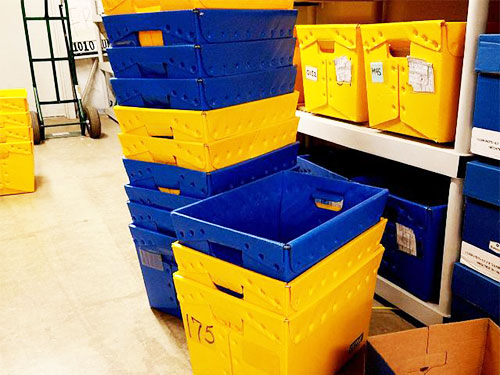
The unique properties of PP material make these trays suitable for multiple industries and applications:
PP trays are widely used in breweries, soft drink factories, wineries, and dairy plants. They facilitate safe storage and transport of glass and PET bottles, reducing breakage and product loss.
Reusable trays can carry jars, bottles, and vials containing food, supplements, and medicines. PP’s chemical resistance ensures no contamination occurs, making it ideal for high-standard hygiene requirements.
Luxury cosmetics and personal care products often come in glass bottles. PP trays provide secure and stylish storage during shipping and warehousing.
Large retail chains and distributors use PP trays for efficient supply chain management, as trays can be stacked, transported, and returned for reuse, streamlining operations and cutting down packaging costs.
While other materials like PVC, HDPE, or wood can be used for bottle trays, PP material consistently outperforms them in key areas:
| Property | PP Material | HDPE | PVC | Wood |
|---|---|---|---|---|
| Durability | High | Medium | Medium | Low |
| Lightweight | Yes | Yes | Medium | No |
| Chemical Resistance | Excellent | Good | Moderate | Poor |
| Hygiene | Excellent | Good | Moderate | Poor |
| Recyclable | Yes | Yes | Limited | Limited |
| Temperature Resistance | High | Medium | Medium | Low |
| Shock Absorption | High | Medium | Low | Medium |
From the table above, it is evident that PP material offers the best balance of strength, hygiene, and durability, making it the preferred choice for modern reusable bottle trays.
In conclusion, the reusable bottle tray is an essential tool for industries handling bottles, from beverages to pharmaceuticals and cosmetics. Selecting PP material for these trays provides unmatched advantages, including exceptional durability, chemical resistance, hygiene, lightweight design, temperature resistance, and environmental sustainability. While the initial cost may be slightly higher than cheaper alternatives, the long-term benefits—reduced breakage, lower replacement costs, improved efficiency, and environmental responsibility—make PP trays a superior investment.
Businesses looking to optimize logistics, enhance safety, and commit to sustainable practices should seriously consider PP reusable bottle trays as a reliable and cost-effective solution. By choosing PP, companies not only protect their products but also contribute to a greener, more sustainable future.
Switching to PP reusable bottle trays is more than a smart operational decision—it’s a strategic step towards efficiency, safety, and sustainability. The combination of strength, flexibility, and eco-friendliness ensures that these trays will remain a key component of bottle handling systems for years to come.