
- Sophia@polyflute.com
- +86 15162372874
- Mon - Sat 8:00-20:00

In modern packaging and logistics, ensuring the safety and integrity of bottles during transport and storage is crucial. From beverage industries to pharmaceuticals, every company that deals with liquid products faces the challenge of preventing breakage, leakage, and damage during transit. One of the most effective solutions to this challenge is the use of corrugated plastic bottle separators, also known as divider sheets. These innovative products not only protect bottles but also optimize storage space and streamline the packaging process. In this article, we will explore everything you need to know about corrugated plastic bottle separators, including how to choose the right divider sheet for your needs.
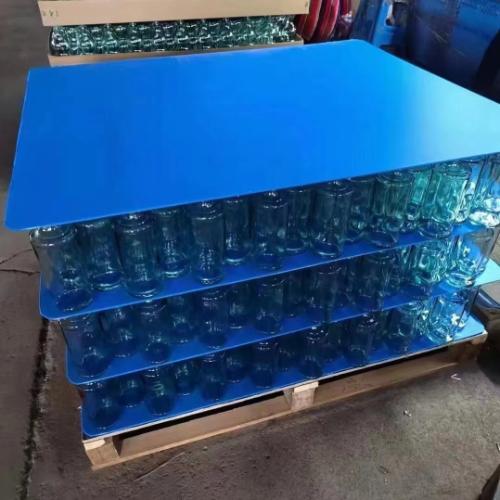
A corrugated plastic bottle separator is a type of sheet designed to create compartments in a box or container, keeping bottles separated from one another. Typically made from polypropylene (PP) or polyethylene (PE) corrugated plastic, these sheets are lightweight, durable, and resistant to moisture, chemicals, and wear. The corrugated structure provides strength and cushioning, which is essential to prevent collisions between bottles during handling and shipping.
Unlike traditional cardboard dividers, corrugated plastic separators offer superior durability and reusability. They do not absorb moisture, resist bending or tearing, and can withstand repeated use without losing structural integrity. This makes them a popular choice for industries that require reliable packaging solutions for high-value products or fragile bottles.
The primary function of a bottle separator is to prevent breakage. By creating individual compartments for each bottle, separators reduce the risk of impact damage during transport. Corrugated plastic separators are especially effective because their rigid structure absorbs shocks and prevents bottles from colliding.
Corrugated plastic is much lighter than wood or metal dividers, reducing the overall weight of packaging. Lighter packaging translates into lower shipping costs and easier handling. Additionally, because they are durable and reusable, companies can save on repeated packaging purchases.
Unlike cardboard, corrugated plastic does not absorb moisture, which prevents mold growth or weakening of the structure. It is also resistant to many chemicals, making it ideal for pharmaceutical bottles or chemical containers that might leak or spill.
Corrugated plastic bottle separators can be customized in terms of size, thickness, and slot layout to accommodate different bottle shapes and diameters. This flexibility ensures a snug fit and maximum protection for any product.
Many corrugated plastic sheets are recyclable. While they are made from durable materials for repeated use, they can be recycled at the end of their lifecycle, making them a more environmentally friendly option compared to single-use cardboard.

Corrugated plastic divider sheets come in various designs to meet specific packaging requirements:
Flat sheets are simple, single-layer separators that provide basic protection. They are placed between layers of bottles in a box to prevent direct contact. These sheets are suitable for standard bottles and lighter packaging requirements.
Interlocking dividers have slots that allow them to fit together to create a grid or lattice structure. This design provides maximum protection, as each bottle is surrounded on all sides by plastic walls. Interlocking dividers are ideal for fragile or high-value bottles.
For specialized bottles with unique shapes, custom-molded corrugated plastic separators are available. These dividers are cut or thermoformed to match the contours of the bottles, offering a tailored protective solution.
Multi-layer sheets add additional strength and cushioning. They are often used for heavy or glass bottles and can withstand multiple stacking during shipping.
Selecting the right divider sheet for your bottles is critical to ensure protection, efficiency, and cost-effectiveness. Here are key factors to consider:
The first consideration is the size and shape of your bottles. The divider sheet must fit your bottles snugly without leaving too much space, which could cause movement, or too little space, which could lead to stress on the bottles. Measure the diameter and height of your bottles and ensure the slots on the divider sheet match these dimensions.
Corrugated plastic sheets come in different thicknesses, usually ranging from 2mm to 6mm or more. Thicker sheets provide stronger protection but may increase packaging weight and cost. Consider the fragility of your bottles and the level of protection needed during transport.
Ensure that the divider sheet matches the dimensions of the shipping box or container. A perfectly fitting divider sheet maximizes the use of space and prevents bottles from shifting during transit.
If your bottles will be stacked in storage or during shipping, choose a corrugated plastic separator with high compressive strength. Multi-layer or interlocking dividers are often better suited for heavy loads and high stacking.
Consider how often the divider sheets will be reused. If they will be in constant circulation, durability is critical. Corrugated plastic separators are designed for multiple uses, but choosing a thicker, more robust material ensures longevity.
If your bottles will be exposed to extreme temperatures or chemicals, ensure the corrugated plastic material is suitable. Polypropylene is excellent for a wide range of temperatures and offers good chemical resistance, making it ideal for beverage and pharmaceutical bottles.
Many manufacturers offer custom-cut divider sheets to accommodate specific bottle shapes or packaging designs. Customization can improve protection and optimize packaging efficiency.

Corrugated plastic bottle separators are widely used across industries that require reliable packaging solutions for bottles:
Beverage companies use these dividers to transport glass and plastic bottles of water, soda, juice, and alcohol safely. They help reduce product loss due to breakage during shipping and handling.
In the pharmaceutical industry, bottles containing medicine, vaccines, or liquid supplements require careful handling. Corrugated plastic dividers provide hygienic, moisture-resistant protection that ensures product integrity.
Cosmetic products like perfumes, essential oils, and skincare bottles are often made of glass or fragile plastic. Dividers prevent breakage and maintain the aesthetic quality of the products.
Chemical bottles containing corrosive or reactive substances require separators that resist chemical damage. Corrugated plastic separators provide a reliable solution.
Online retailers that ship bottled products directly to consumers rely on divider sheets to prevent returns and complaints due to damaged items. Corrugated plastic dividers reduce damage rates and improve customer satisfaction.
To maximize the benefits of your divider sheets, consider these practical tips:
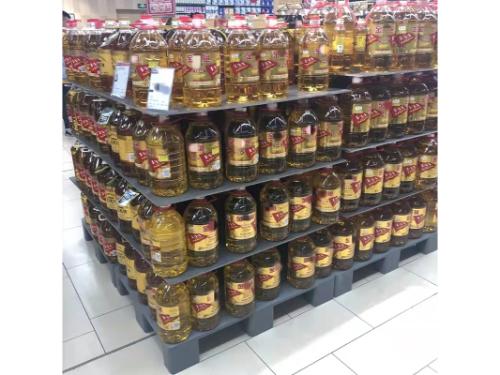
Choosing the right corrugated plastic bottle separator is key to protecting bottles during transport and storage. Durable, moisture-resistant, and reusable, these dividers outperform cardboard, safeguarding fragile bottles in beverages, pharmaceuticals, cosmetics, and chemicals.
When selecting a divider, consider bottle size, material thickness, box dimensions, load, temperature, and chemical resistance. Custom options can further improve protection and efficiency. High-quality corrugated plastic dividers help minimize breakage, lower shipping costs, and maintain product integrity.
More than just protective sheets, these separators enhance logistics, reduce product loss, and protect brand reputation—making them essential for shipping glass, pharmaceutical, or cosmetic bottles.