
- Sophia@polyflute.com
- +86 15162372874
- Mon - Sat 8:00-20:00
In modern logistics and warehouse management, the pallet layer configuration plays a crucial role in ensuring product stability, efficient space utilization, and cost reduction throughout the supply chain. Whether in food, beverage, pharmaceuticals, or manufacturing industries, how products are arranged on a pallet directly affects load safety, stacking efficiency, and transport performance.
Along with this, the pallet layer pads configuration—the placement of layer pads or slip sheets between layers—has become equally important. Layer pads improve load stability, prevent product damage, and help streamline automated handling processes.
In this article, we’ll explore everything you need to know about pallet layer configuration, including its definition, types, design considerations, and how the right layer pad configuration can enhance overall logistics efficiency.

Pallet layer configuration refers to how products or packages are arranged on each layer of a pallet. It determines the pattern, orientation, and stacking sequence used to build a stable and optimized pallet load.
A well-designed configuration ensures that:
In short, a pallet layer configuration is the blueprint of your pallet load design.
Stability and Safety
The first goal is to prevent load shifting or collapse during handling or transport. This involves aligning boxes and balancing weight distribution properly.
Efficiency in Space Utilization
By using optimal stacking patterns, businesses can load more goods per pallet, reducing shipping costs and warehouse storage space.
Product Protection
Proper configuration prevents compression or damage to fragile goods, ensuring product quality upon delivery.
Automation Compatibility
For industries using robotic palletizers, consistent pallet layer configuration is essential for machine accuracy and speed.
Cost Optimization
Efficient use of packaging, layer pads, and pallets helps minimize waste and material costs.
An optimized pallet configuration allows for quicker loading, unloading, and order picking. When products are aligned logically, warehouse staff and automated systems can easily access items without disassembly or damage. This improves workflow efficiency and reduces downtime in distribution centers.
Compliance with Transport and Export Standards
Different countries and transport carriers have specific pallet standards and height limits. A proper pallet layer configuration ensures compliance with ISPM 15, ISO, or regional transport regulations. Meeting these standards prevents shipping delays, fines, and product rejection at customs checkpoints.
There are several standard pallet layer configurations, each suited for different product shapes and logistics requirements:
In this pattern, boxes are stacked directly on top of each other in vertical columns.
Also known as a brick or staggered pattern, boxes are offset between layers.
Combines column and interlocking arrangements for the best balance between strength and stability.
Boxes are alternated in direction to create a “pinwheel” shape.
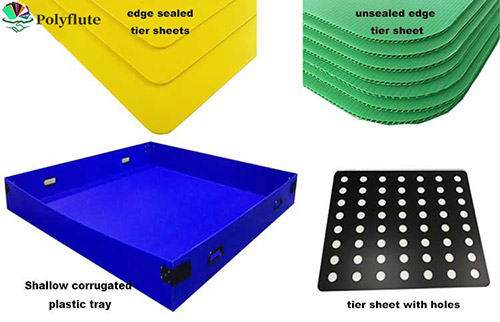
The pallet layer pads configuration refers to how layer pads—flat sheets placed between product layers—are used to enhance the pallet’s structure. These pads are usually made from corrugated cardboard, plastic, or fiberboard.

To design an efficient pallet layer configuration, consider the following key factors:
The size and shape of your products directly determine how many units can fit per layer and how many layers can be stacked per pallet.
Common pallet dimensions include:
Ensure that the total height and weight do not exceed handling or transport limitations.
Boxes, bags, drums, or shrink-wrapped items each require different stacking approaches.
Consider vibration, humidity, and temperature changes during shipping or storage. For instance, temperature-sensitive goods may need tighter configurations to minimize movement.
Integrate layer pads configuration strategically—for instance, placing a pad every two or three layers to balance stability and cost efficiency.
Let’s take a common example from the beverage industry:
This configuration ensures:
Modern warehouses increasingly rely on robotic palletizers and automated guided vehicles (AGVs). In such systems, precise pallet layer configuration is critical.
Automated systems use pre-programmed layer patterns to ensure:
Additionally, layer pads can be automatically dispensed and placed, further enhancing efficiency.
Sustainability is another growing concern in logistics. Companies are replacing single-use materials with reusable plastic layer pads, which can last hundreds of cycles.
Advantages of reusable layer pads:
This makes them an environmentally friendly choice, especially in high-volume industries like beverages, dairy, or automotive parts distribution.
Use Palletizing Software:
Advanced software can simulate and calculate the most efficient stacking pattern for your specific products.
Combine Strength and Stability:
Choose interlocking or hybrid configurations for better stability during transport.
Apply Layer Pads Correctly:
Use layer pads at regular intervals, especially for fragile or slippery items.
Secure the Load:
Use stretch film, corner protectors, and strapping for extra safety.
Standardize Your Configurations:
Develop consistent pallet layer configuration templates to streamline operations across warehouses.
Test and Validate:
Perform vibration and compression tests to ensure real-world performance.

A well-structured pallet layer configuration is the foundation of safe, efficient, and cost-effective logistics. It not only maximizes pallet utilization but also reduces product damage and enhances automation compatibility.
When combined with an optimized pallet layer pads configuration, businesses can achieve superior load stability and sustainability—two critical factors in modern supply chains.
Whether you are a packaging engineer, warehouse operator, or logistics manager, investing time in designing the right pallet layer configuration will bring measurable benefits across the entire logistics network.