
- Sophia@polyflute.com
- +86 15162372874
- Mon - Sat 8:00-20:00

In today’s competitive packaging industry, selecting the right materials for plastic cartons is critical for product protection, operational efficiency, and sustainability. Among the many options available, PP (polypropylene) stands out as a material that offers unparalleled advantages. From superior durability and lightweight design to chemical resistance and eco-friendliness, PP materials ensure that plastic cartons perform exceptionally across a variety of industries. Below, we delve into the reasons why polypropylene is the preferred choice for modern packaging solutions.

One of the primary reasons manufacturers opt for PP materials is their outstanding durability. Plastic cartons, also called polypropylene corrugated box made from polypropylene can withstand repeated handling, stacking, and transport without cracking or deforming. Unlike certain other plastics that become brittle at low temperatures, PP maintains its structural integrity even under extreme cold or heat.
Durable PP cartons reduce the risk of product damage, ensuring that contents reach consumers in perfect condition. In industries such as food and beverage, pharmaceuticals, and electronics, this reliability is essential for protecting product value and maintaining brand reputation. Additionally, the extended lifespan of PP cartons minimizes replacement frequency, helping businesses save on operational costs over time.
Another compelling advantage of PP materials is their lightweight nature. Plastic cartons produced with polypropylene significantly reduce overall packaging weight compared to alternatives like PET or ABS. This characteristic lowers transportation costs, minimizes energy consumption during logistics, and simplifies manual handling in warehouses and retail environments. Lighter cartons also reduce the physical strain on workers during loading, unloading, and stocking, improving workplace safety and efficiency.
Despite being lightweight, PP retains excellent structural strength. It can support stacking, compression, and occasional impacts without deforming or failing. This combination of strength and portability makes PP-based plastic cartons highly practical for both storage and transport, balancing convenience with protection.
Additional advantage: The lightweight nature of PP also allows for easier automation in packaging lines, as machinery can handle cartons more efficiently, improving overall production speed and consistency.

PP materials offer excellent resistance to a wide range of chemicals and moisture. Unlike certain plastics that react with acidic or alkaline substances, polypropylene is highly stable when exposed to oils, detergents, and other common chemicals. This property ensures that plastic cartons remain intact and functional even in industrial environments where exposure to various substances is frequent.
Moisture resistance is equally important. PP does not absorb water, preventing swelling, weakening, or warping. This makes it particularly suitable for products stored in humid conditions or refrigerated and frozen applications. For food packaging, pharmaceuticals, and sensitive electronics, moisture resistance is critical to preserving product integrity and extending shelf life.
Polypropylene exhibits excellent thermal performance, allowing plastic cartons to endure a wide range of temperatures without compromising their structure. PP cartons remain stable in cold storage environments, including freezers and refrigerated areas, as well as in hot-fill applications commonly found in the food and beverage industry.
This temperature tolerance enables manufacturers to use a single PP carton design for multiple applications, simplifying production processes and reducing inventory complexity. Businesses benefit from greater flexibility, while products enjoy consistent protection regardless of storage or transport conditions.
Additional advantage: PP’s thermal stability also ensures that cartons do not release odors or degrade when exposed to high or low temperatures, maintaining product safety and quality throughout their shelf life.
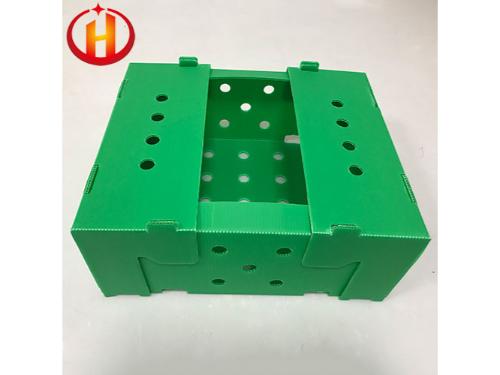
Sustainability is increasingly influencing packaging decisions, and PP materials excel in this regard. Polypropylene is highly recyclable, meaning that plastic cartons can be collected, processed, and repurposed into new packaging or other plastic products. By choosing PP, companies contribute to a circular economy and align with global environmental initiatives.
Additionally, the long-lasting nature of PP reduces the frequency of carton replacement. Durable, recyclable cartons minimize waste, reduce resource consumption, and support corporate social responsibility goals. For environmentally conscious brands, PP cartons offer a practical way to meet consumer expectations while maintaining operational efficiency.
PP materials provide exceptional flexibility in design. Plastic cartons made from polypropylene can be molded into a wide range of shapes, sizes, and textures. This enables manufacturers to create packaging solutions that are both functional and visually appealing. The material’s adaptability also allows for the integration of specialized features such as handles, snap closures, and interlocking mechanisms, further enhancing convenience and usability.
Some advantages include:
This flexibility allows brands to create packaging that stands out on retail shelves, while still delivering the strength and durability needed for transportation and storage. PP cartons effectively combine aesthetics with functionality, which is crucial for consumer-facing industries. Additionally, the ability to customize textures, finishes, and even printing techniques gives brands the opportunity to reinforce their identity and appeal directly to target customers.
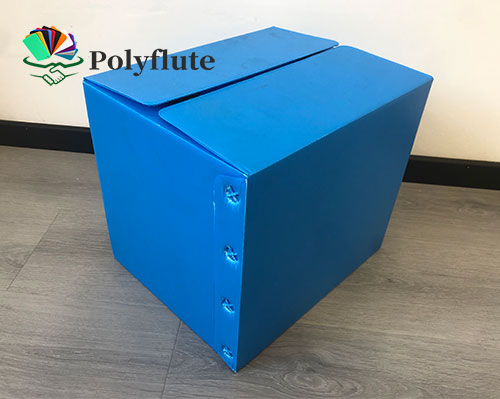
Polypropylene offers a balanced combination of performance and affordability. While providing durability, chemical resistance, and thermal stability, PP is generally more cost-effective than alternatives like PET, ABS, or other specialty plastics.
High-volume production with PP is efficient, and minimal material waste is generated during manufacturing. Businesses benefit from reduced production costs without sacrificing product protection or quality. Over time, the durability and reusability of PP cartons further enhance cost efficiency, making them an excellent long-term investment.
| Feature | PP (Polypropylene) | PET | ABS | HDPE |
|---|---|---|---|---|
| Durability | High | Medium | High | Medium |
| Weight | Lightweight | Medium | Heavy | Medium |
| Chemical Resistance | Excellent | Good | Fair | Good |
| Moisture Resistance | Excellent | Good | Fair | Excellent |
| Temperature Tolerance | -20°C to 120°C | -10°C to 70°C | -20°C to 80°C | -30°C to 90°C |
| Recyclability | High | Medium | Medium | High |
| Cost | Affordable | Higher | Higher | Affordable |
| Design Flexibility | Excellent | Good | Good | Medium |
This table highlights the clear advantages of PP materials over other common plastics. The combination of strength, flexibility, and cost-efficiency positions polypropylene as the preferred choice for plastic cartons across industries.
PP-based plastic cartons are used in a wide variety of applications:
These examples illustrate the versatility and reliability of PP materials, confirming why they are the industry standard for high-performance plastic cartons.

Selecting PP materials for plastic cartons is a strategic decision that enhances durability, efficiency, and sustainability. Polypropylene provides:
Across industries—from food and beverages to pharmaceuticals and industrial goods—PP-based plastic cartons deliver reliable protection, operational efficiency, and sustainability benefits. By choosing polypropylene, manufacturers and brands ensure their packaging meets modern demands while offering long-term value.
For businesses seeking high-performance, versatile, and eco-friendly packaging solutions, PP materials remain the clear choice. Investing in polypropylene plastic cartons is not just about protecting products—it’s about improving efficiency, reducing costs, and supporting sustainable practices for the future.