
- Sophia@polyflute.com
- +86 15162372874
- Mon - Sat 8:00-20:00
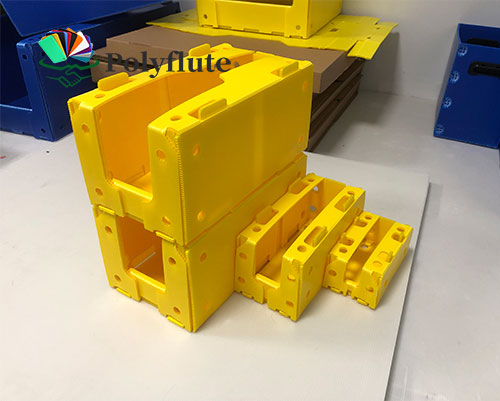
In modern warehouse operations, efficiency, organization, and speed are critical factors that define the success of supply chain management. One of the unsung heroes that contributes significantly to these aspects is the Picking Bin. Designed specifically for warehouses and storage facilities, picking bins play a crucial role in ensuring products are organized, easily accessible, and ready for shipment. In this article, we will explore what picking bins are, their primary uses in warehouses, and the key advantages they offer to businesses of all sizes.

A picking bin is a type of storage container used in warehouses, distribution centers, and production facilities to hold individual items or small components that need to be picked frequently for orders. Unlike bulk storage solutions, picking bins are designed for easy access and quick handling. They come in various sizes, shapes, and materials to accommodate different types of inventory, from small hardware pieces to larger packaged goods.
Picking bins are often stacked on shelving units or placed on pick carts to streamline the picking process. Many modern warehouses also integrate them with warehouse management systems (WMS) to enhance inventory tracking and reduce picking errors. Their modular design allows for flexibility and scalability in warehouse layouts.
Picking bins are versatile storage solutions, and their applications span multiple areas within a warehouse:
The primary function of a picking bin is to support order picking operations. Workers can quickly locate and retrieve items from the bins when fulfilling customer orders. This reduces the time spent searching for products and improves overall productivity.
Maintaining an organized warehouse is essential for operational efficiency. Picking bins help categorize inventory based on type, size, or frequency of use. By keeping items sorted in designated bins, warehouse managers can prevent misplaced items and ensure accurate stock levels.
In manufacturing facilities, picking bins are used to supply components to production lines. Parts needed for assembly or packaging can be stored in bins near the workstation, reducing downtime and keeping the production process smooth.
Picking bins also facilitate the packing and shipping process. Items picked for orders can be temporarily stored in bins until they are ready for packing. This helps streamline the workflow and prevents errors in order fulfillment.
Handling returns efficiently is another warehouse challenge. Picking bins can be used to segregate returned items, inspect them, and prepare them for restocking or disposal. This keeps returned items organized and prevents them from cluttering warehouse space.

Adopting picking bins in your warehouse brings numerous benefits that can significantly improve operational efficiency, reduce costs, and enhance customer satisfaction. Here are some of the key advantages:
One of the most significant advantages of using picking bins is the speed and accuracy they bring to the picking process. Items are stored in a structured manner, making them easy to locate. Workers spend less time searching for products, which increases throughput and allows more orders to be fulfilled in less time.
Picking errors can lead to costly returns, dissatisfied customers, and wasted labor. With clearly labeled and organized bins, workers are less likely to pick the wrong item. Some warehouses also use color-coded bins or barcode labels to further minimize errors.
By providing a clear and organized view of inventory, picking bins help warehouse managers track stock levels more accurately. This enables better forecasting, reduces overstock or stockouts, and ensures that inventory is always available when needed.
Picking bins come in various sizes and can be stacked vertically, allowing warehouses to maximize their storage space. This is particularly valuable for small warehouses where floor space is limited. Efficient use of space also reduces the need for additional storage facilities.
Warehouse operations often evolve over time, requiring adjustments to storage systems. Picking bins are highly flexible; they can be reconfigured, moved, or replaced as inventory changes. This makes them a scalable solution suitable for growing businesses.
Compared to automated storage and retrieval systems, picking bins are a cost-effective alternative. They require minimal investment, have low maintenance costs, and can deliver immediate benefits in efficiency and organization.
Picking bins reduce clutter and keep products off the floor, minimizing the risk of accidents and injuries. Properly organized bins also reduce the need for workers to bend, reach, or climb unnecessarily, promoting safer warehouse practices.
Picking bins are not limited to any particular industry. They are used in e-commerce fulfillment centers, manufacturing plants, automotive parts warehouses, food distribution, electronics, and many more sectors. Their versatility makes them an essential tool for any operation that requires frequent picking and handling of items.
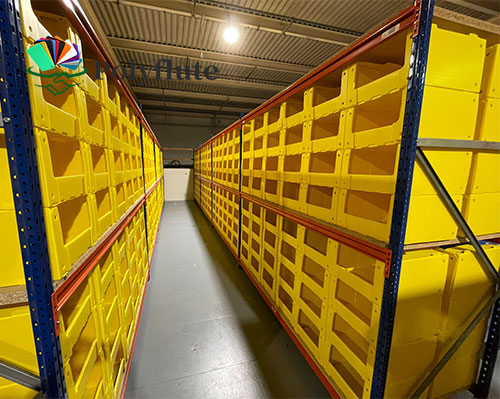
Picking bins come in a variety of designs, each suited for specific warehouse needs:
Plastic bins are lightweight, durable, and easy to clean. They are ideal for small to medium-sized items and are resistant to moisture, chemicals, and impact.
Wire mesh bins provide visibility of contents, allowing workers to quickly identify items. They are suitable for heavy or bulky products and often used in automotive or industrial warehouses.
Stackable bins maximize vertical space, making them perfect for warehouses with limited floor area. They can be stacked safely without compromising access to the contents.
Bins with built-in slots or surfaces for labels make organization and inventory management easier. Labels can include item codes, descriptions, or barcodes for seamless integration with WMS systems.
Bins with multiple compartments are ideal for small parts or components. Each compartment can hold different items, reducing mix-ups and improving picking accuracy.
Selecting the appropriate picking bin requires careful consideration of your warehouse needs:

In the fast-paced world of warehouse management, efficiency, accuracy, and organization are paramount. Picking bins serve as an indispensable tool to meet these objectives. From streamlining order picking to enhancing inventory control, their advantages are clear and measurable. By choosing the right type of picking bin for your warehouse, businesses can reduce errors, save time, optimize space, and ultimately improve customer satisfaction.
Whether you manage a small warehouse or a large distribution center, investing in picking bins is a strategic decision that pays off through improved workflow, increased productivity, and safer operations. With the right implementation, picking bins are not just storage containers—they are a critical component of a modern, efficient, and responsive warehouse system.
If you are looking to enhance your warehouse efficiency with high-quality picking bins, feel free to get in touch with us. Contact Polyflute at Sophia@polyflute.com or call +86 15162372874 for more information and personalized solutions.