
- Sophia@polyflute.com
- +86 15162372874
- Mon - Sat 8:00-20:00

When it comes to durable, moisture-resistant, and cost-effective flooring solutions, PP board for flooring Philippines has become a rising choice across industrial, commercial, and even residential applications. The local market is shifting toward lightweight yet strong materials that can handle tropical weather conditions, frequent humidity, and high traffic usage. PP (polypropylene) boards are stepping up as a reliable alternative to wood, cement, or traditional PVC floor panels.

The Philippines’ climate, marked by high humidity and frequent rains, presents unique challenges for flooring systems. Traditional wood floors tend to warp or rot, while metal and cement options can be costly and prone to corrosion or cracking. This is where PP board for flooring Philippines has gained momentum — it resists moisture, remains dimensionally stable, and requires minimal maintenance.
Local distributors and construction contractors increasingly adopt PP boards for temporary event floors, logistics warehouses, sports venues, and factory workshops. The material’s balance between lightness and strength gives it an edge in installations that require easy handling, quick cleaning, and reusability.
In industrial environments across Metro Manila, Cebu, and Davao, PP flooring panels have become part of the modern facility upgrade trend. Their resistance to chemical corrosion and oil stains makes them ideal for factories, production lines, and warehouse platforms.
In the commercial sector, PP board for flooring Philippines has become a go-to option for exhibition flooring, event stages, and outdoor fairs. Compared with wooden platforms, PP boards offer quicker installation, better durability, and can be reused for multiple events.

While the list of advantages is long, several features make PP flooring particularly well-suited for Philippine conditions.
In the Philippines, contractors traditionally choose between wood, PVC, and cement-based floors. However, PP board for flooring Philippines offers several comparative advantages.
| Material | Durability | Water Resistance | Maintenance | Cost | Reusability |
|---|---|---|---|---|---|
| Wood | Moderate | Poor | High | Medium | Low |
| PVC | Good | Moderate | Medium | Medium | Medium |
| Cement | Excellent | Good | High | High | None |
| PP Board | Excellent | Excellent | Low | Affordable | High |
The table clearly illustrates how PP boards deliver an optimal balance between durability and cost. Over the lifespan of a construction project or event season, using PP boards can reduce overall flooring expenses by up to 40%.
The demand for PP board for flooring Philippines has surged since 2022. Local manufacturers and importers have begun to expand their inventories, offering various sizes, thicknesses, and surface textures. Common specifications include:
Distributors in Quezon City, Cavite, and Laguna supply PP boards for construction, automotive, and packaging industries. Many of these suppliers also provide cutting and edge-finishing services, ensuring the boards are ready for installation upon delivery.
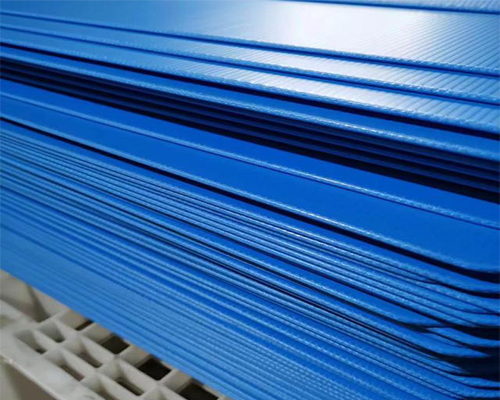
Another reason for the increasing popularity of PP flooring is its adaptability. Companies can order custom-colored PP boards that align with their branding — useful in exhibition halls or retail stores. Some clients even print their logos or safety markings directly onto the PP surface using UV printing.
For warehouse floors, color coding improves organization. Blue panels can mark storage areas, yellow can designate loading zones, and grey can indicate walking paths. This system enhances visual management and workplace safety.
Sustainability is becoming a critical factor in the Philippine construction industry. PP boards contribute positively to green building initiatives because they are 100% recyclable and reusable. After years of use, the boards can be remolded into new sheets, crates, or industrial containers.
Unlike wood flooring, PP production does not require tree cutting, making it an environmentally responsible choice. Furthermore, since the boards are lightweight, transportation costs and fuel consumption are lower — another indirect ecological benefit.
Selecting the correct PP board depends on where and how it will be used. Here are some considerations:
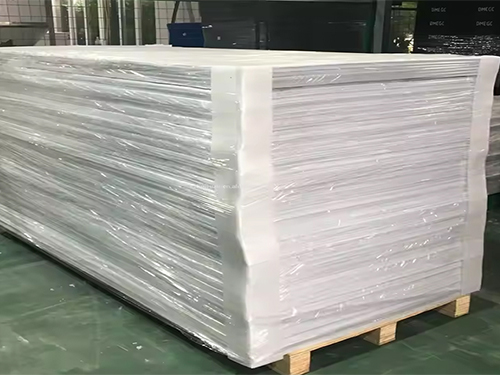
From industrial warehouses to commercial event spaces, PP board for flooring Philippines has proven itself as a reliable, durable, and cost-effective solution. Its unique resistance to moisture, chemicals, and wear aligns perfectly with the local tropical conditions.
Whether for temporary setups or permanent installations, PP flooring provides flexibility, safety, and environmental advantages that few materials can match.
For businesses and contractors seeking long-term value and easy maintenance, PP board flooring is not just an option — it’s the smart choice for the Philippine market.