
- Sophia@polyflute.com
- +86 15162372874
- Mon - Sat 8:00-20:00

In modern warehouses, organization and efficiency are heavily influenced by the right choice of picking bins. While warehouse picking bins are widely used across industries, their sizes play a crucial role in determining storage efficiency, picking speed, and inventory management. Choosing the correct size can optimize your space, reduce labor time, and enhance overall workflow.

Warehouse picking bins come in a variety of standard sizes, allowing for flexibility across storage and picking operations. Typically, sizes are classified by length, width, and height, often measured in inches or millimeters depending on regional standards. Common dimensions include:
Small Bins (4″ × 6″ × 3″): Ideal for tiny parts, screws, nuts, and other small hardware items. Their compact size allows high-density storage on shelving units or bin racks. Small bins are frequently used in electronics, jewelry, or small-scale manufacturing operations.
Medium Bins (6″ × 9″ × 4″): Medium-sized bins offer a balance between storage capacity and accessibility. They are suitable for items such as packaging materials, small tools, and spare parts. These bins are versatile and can fit comfortably on standard shelving systems.
Large Bins (12″ × 18″ × 6″): Large picking bins are perfect for bulkier items or larger quantities of stock. These bins reduce the number of individual bins required for storage, which helps in warehouses dealing with heavy or medium-volume items.
Extra-Large Bins (24″ × 18″ × 12″): Designed for oversized or irregularly shaped items, these bins can hold heavier components and reduce the need for multiple small bins. They are often found in automotive parts warehouses or furniture components storage.
These standard sizes can be further customized to meet the specific needs of warehouse operations, ensuring that both space and workflow are optimized.

Selecting the right warehouse picking bin size involves considering several factors. One of the most critical is the type and size of items being stored. If the bin is too large for the items, space is wasted and inventory may shift, causing disorganization. Conversely, a bin that is too small may lead to overfilling, making it difficult for staff to pick items quickly and safely.
Item Dimensions: Measure the length, width, and height of the items you plan to store. Leave extra space for accessibility and easy picking, but avoid excessive empty space that reduces storage density.
Pick Frequency: High-frequency items, often referred to as “fast movers,” should ideally be stored in bins that allow easy access without overfilling. Medium bins are often preferred for such items, as they provide a balance between accessibility and volume.
Weight of Items: The bin size must match not only the item’s dimensions but also its weight. Large bins for heavy items can be cumbersome to handle, potentially slowing down picking and increasing the risk of injury.
Shelf Compatibility: Ensure the bin size aligns with your shelving or racking systems. Standard shelving heights and widths often dictate the maximum bin size that can be effectively used.
Stackability: Many warehouses benefit from stackable bins, which can maximize vertical storage space. Stackable bins should have a standardized footprint to ensure stability.
While standard sizes cover a wide range of needs, many warehouses require custom bin sizes to handle specific products or unique storage layouts. Custom bins can be manufactured with tailored length, width, and height, along with features such as:
Custom-sized picking bins can dramatically improve warehouse efficiency, especially in operations with highly varied product dimensions or specialized storage needs.
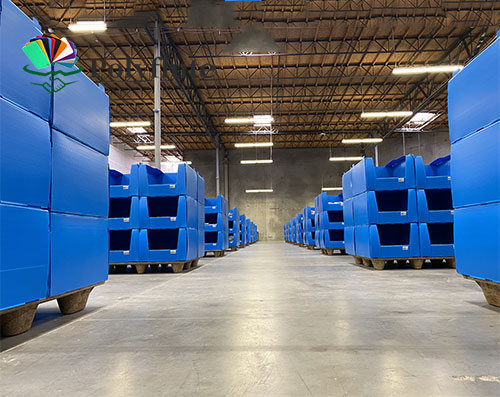
Different types of warehouse operations may benefit from different bin size strategies. Understanding these can help managers make informed choices.
E-commerce warehouses often deal with a wide variety of SKUs, ranging from small electronics to medium-sized home goods. In this environment, small and medium bins dominate the picking operations, allowing employees to quickly access a wide assortment of items without overfilling bins or causing mispicks.
Manufacturing warehouses, particularly those storing raw materials or heavy components, often use large and extra-large bins. These bins accommodate bulk materials, tools, and parts, allowing for fewer bins on the floor and minimizing the time workers spend retrieving items from multiple locations.
In automotive and industrial parts warehouses, items vary widely in size and weight. Here, a mix of medium, large, and custom bins is often used. Custom dividers and reinforced large bins are common for storing engine components, gears, and other heavy items efficiently.
Temperature-sensitive warehouses require bins that not only fit the product but also optimize airflow and reduce waste. Medium and small bins are preferred for frozen or perishable goods, with size adjustments made to maximize stacking and temperature uniformity.

While length and width are often the primary focus when selecting bin size, height and depth are equally important. Tall bins can store more items per footprint but may reduce accessibility, especially for workers reaching high shelves. Shallow bins improve accessibility but may require more shelf space.
The choice of depth also affects how items are picked. For instance:
Many warehouses use color-coding along with size variations to improve efficiency. For example:
Combining size with visual cues reduces picking errors, speeds up training for new employees, and enhances overall workflow.

Effective warehouse organization often involves using a mix of bin sizes on the same shelving unit. By combining small, medium, and large bins strategically, warehouses can maximize floor and shelf space while ensuring easy access to all items. For example, small bins can occupy the top rows for lightweight items, medium bins in the middle rows for standard SKUs, and large bins at the bottom for heavy or bulky items.
The material of the bin often correlates with the size choice:
Warehouse picking bin sizes directly impact storage efficiency, labor productivity, and inventory management. Choosing the right bin size involves understanding your product dimensions, pick frequency, weight considerations, and shelving compatibility. Whether using standard sizes, custom bins, or a combination, careful planning ensures optimal workflow and maximum utilization of warehouse space.
By strategically using small, medium, large, and extra-large bins—while considering factors like stackability, color coding, and material—warehouses can achieve an organized, efficient, and scalable storage system. For warehouses looking to optimize operations, paying attention to bin size is not just a minor detail—it is a crucial factor in achieving operational excellence.