
- Sophia@polyflute.com
- +86 15162372874
- Mon - Sat 8:00-20:00

In modern packaging and logistics operations, efficiency, durability, and hygiene are critical factors. Among the essential components in beverage and pharmaceutical industries, the bottle tray plays a pivotal role. Specifically, bottle trays made from PP materials (polypropylene) have gained immense popularity due to their superior properties, adaptability, and long service life. In this article, we will explore why PP bottle trays have become an industry standard, their applications, benefits, and tips for selecting the right tray for your operation.
Polypropylene (PP) is a thermoplastic polymer widely used in industrial and consumer products. When applied to bottle trays, PP offers a combination of durability, lightweight design, and chemical resistance. Some of the key advantages include:
Durability and Impact Resistance
Beverage bottles, whether glass or plastic, are susceptible to damage during storage and transport. PP bottle trays provide excellent impact resistance, reducing the risk of bottle breakage. Unlike traditional wooden or metal trays, PP trays do not splinter, rust, or dent easily, ensuring safer handling and longer lifespan.
Chemical and Moisture Resistance
PP is highly resistant to acids, alkalis, and common cleaning agents. This makes PP bottle trays suitable for environments where cleaning and sanitation are frequent, such as breweries, dairy plants, or pharmaceutical packaging facilities. Additionally, their moisture resistance ensures that trays maintain structural integrity even in humid conditions.
Lightweight and Ergonomic Design
One of the challenges in warehouse and production line operations is reducing operator fatigue. PP bottle trays are significantly lighter than their wooden or metal counterparts, enabling easier handling and faster stacking. Many trays are ergonomically designed with handles or grip points, improving workflow efficiency.
Recyclable and Environmentally Friendly
Sustainability has become a priority for many businesses. PP trays are fully recyclable, and many manufacturers use recycled PP material in production. Their long service life combined with recyclability reduces the environmental footprint compared to disposable or short-lived alternatives.
Cost-Effectiveness
While the initial cost of PP trays may be slightly higher than basic wooden trays, their durability and low maintenance requirements make them more cost-effective in the long run. Reduced bottle breakage, fewer replacements, and lower handling costs contribute to overall operational savings.
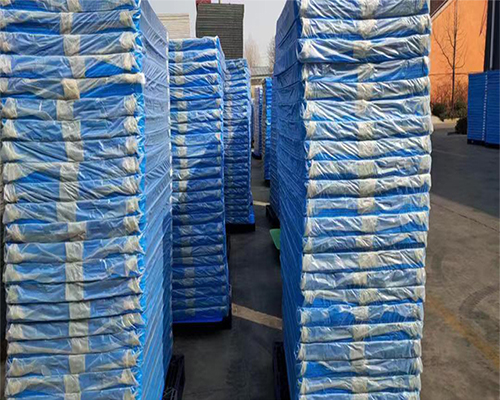
PP bottle trays are versatile and find applications across multiple industries. Here are some of the most common sectors where PP trays are extensively used:
Beverage production, including soft drinks, juices, bottled water, beer, and wine, demands high standards in hygiene and safety. PP bottle trays are widely used for:
Dairy products, sauces, and other liquid foods often use glass or plastic bottles. PP trays offer benefits such as:
In pharmaceutical production, maintaining sterility and preventing contamination is crucial. PP bottle trays are ideal for:
Bottles for perfumes, lotions, and essential oils require careful handling. PP bottle trays provide:

PP bottle trays come in a wide variety of shapes, sizes, and configurations, each tailored to specific industry needs.
Standard Flat Trays
These trays are designed for uniform bottle sizes and are stackable for easy storage. Common in beverage and dairy industries, flat trays offer simplicity and high durability.
Partitioned Trays
Partitioned trays contain individual cells or compartments for each bottle, preventing bottles from colliding during transport. This type is ideal for glass bottles, fragile liquids, or high-value beverages.
Custom Molded Trays
For bottles with unique shapes or sizes, custom-molded PP trays are manufactured to perfectly fit each bottle. These trays maximize protection while optimizing storage space.
Ventilated Trays
Ventilated trays have openings or perforations to allow airflow. This feature is particularly useful for beverages that require temperature control or for products that are still curing or fermenting.
Selecting the ideal PP bottle tray involves considering multiple factors:
A mid-sized brewery producing 500,000 bottles per month implemented PP bottle trays for glass beer bottles. Before the switch, wooden trays caused a high breakage rate due to splinters and uneven handling. After switching to PP trays:
A dairy plant producing milk bottles in various sizes adopted partitioned PP trays. The trays allowed for:
A pharmaceutical company dealing with liquid medications needed trays that could withstand frequent chemical cleaning while maintaining precise bottle alignment. Custom PP trays provided:
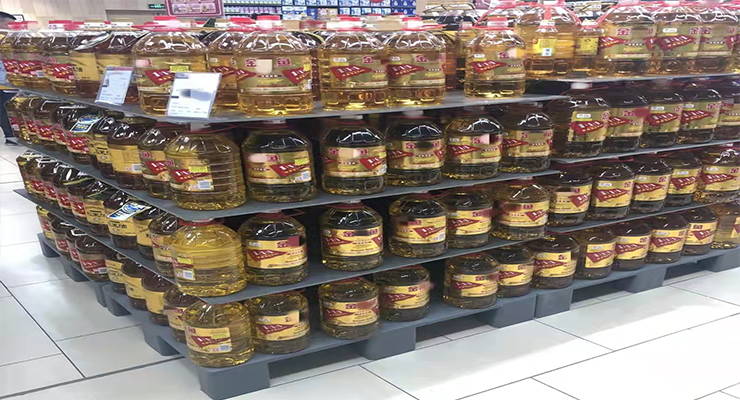
PP bottle trays are low maintenance compared to wooden or metal alternatives. To ensure longevity:
With proper care, PP trays can last many years, offering significant cost savings over single-use or short-lived trays.
PP bottle trays have revolutionized the way industries handle bottles, offering unmatched durability, hygiene, and operational efficiency. Whether in the beverage, dairy, pharmaceutical, or cosmetic sectors, the versatility and performance of PP trays make them an indispensable tool in modern logistics and production.
By carefully selecting the right type of PP tray based on bottle size, weight, and operational needs, businesses can minimize breakage, improve workflow, and ensure long-term cost savings. The future of bottle handling clearly points toward more sustainable, durable, and intelligent PP solutions, making PP bottle trays a reliable choice for any enterprise that prioritizes quality and efficiency.