
- Sophia@polyflute.com
- +86 15162372874
- Mon - Sat 8:00-20:00

Transporting and storing bottles safely has always been a challenge for industries dealing with beverages, pharmaceuticals, chemicals, cosmetics, and other liquid products. Glass bottles, PET bottles, and other fragile containers require strong protection during handling, stacking, and shipping. This is where the PP bottle layer pad becomes a reliable solution. By adding structure, stability, and cushioning between each layer of bottles, these pads ensure that products reach their destination without damage while also simplifying logistics.
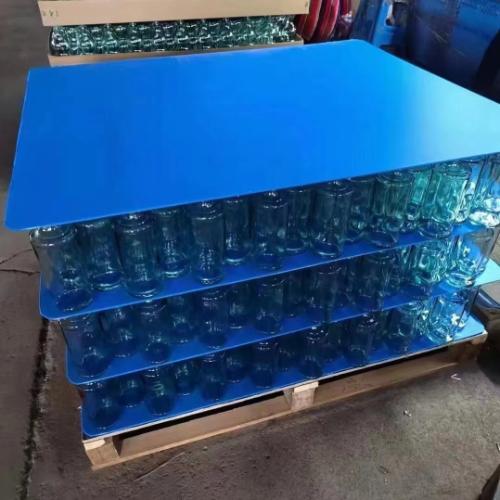
In any supply chain that involves bottles, damage during transit is a major concern. Breakages not only cause financial losses but also affect customer satisfaction and brand reputation. Companies that ship beer, wine, soft drinks, or even pharmaceuticals cannot afford such risks. The PP bottle layer pad provides a consistent and cost-effective way to eliminate movement, reduce impact, and allow safe stacking.
Unlike corrugated cardboard dividers that may absorb moisture and lose strength, polypropylene (PP) pads remain stable even in humid conditions, refrigerated environments, or when exposed to condensation. This makes them particularly suitable for breweries, bottling plants, and cold-chain logistics where moisture resistance is critical.
One of the main reasons companies adopt PP bottle layer pads is their durability. A single pad can be reused multiple times without losing its protective properties. Whether used for short-distance transport between a bottling line and a warehouse, or for international container shipments, PP pads withstand pressure and repeated handling.
Their strength allows pallets to be stacked higher without collapsing, improving warehouse efficiency. When compared with one-time-use cardboard or wood-based materials, the long-term cost savings are significant. For businesses aiming to reduce packaging waste while improving operational reliability, PP bottle layer pads strike the perfect balance.

Every industry handles bottles of different sizes, shapes, and weights. A brewery may use long-neck glass bottles, while a cosmetics brand may ship smaller, delicate perfume bottles. Because of this, customization is key.
PP bottle layer pads can be tailored in terms of:
By adjusting these parameters, manufacturers ensure that the layer pads match their exact packaging and logistics requirements.
Perhaps the most visible application of PP bottle layer pads is in the beer and beverage industry. Breweries handle millions of bottles annually, which are distributed to wholesalers, restaurants, and retailers. Without a strong layer between bottle tiers, breakages would be inevitable.
The pads provide three major benefits:
As breweries expand to export markets, these pads become even more valuable for protecting cargo on long sea journeys.
Although initially popular in the beverage sector, PP bottle layer pads have found applications in many other industries:
This wide adoption highlights the versatility of PP layer pads across different supply chains.
Sustainability is becoming a driving factor in packaging decisions. Many companies are under pressure to reduce waste, improve recyclability, and meet corporate social responsibility goals.
Here, PP bottle layer pads score highly:
By integrating PP bottle layer pads into their logistics, companies can meet sustainability goals without compromising product safety.

A frequent concern with packaging materials is cost. At first glance, PP pads may seem more expensive than disposable cardboard sheets. However, the long-term picture is very different.
When these factors are considered, PP bottle layer pads often prove to be the most economical solution over time.
Producing high-quality layer pads requires advanced extrusion and finishing technology. The process generally involves:
Some manufacturers also offer reinforced multi-layer designs for extra durability, particularly in heavy-duty industrial applications.
Not all layer pads are made equal. Choosing a reliable supplier is crucial for consistent quality. Businesses should consider:
Working with the right partner ensures smooth integration of PP layer pads into existing supply chains.
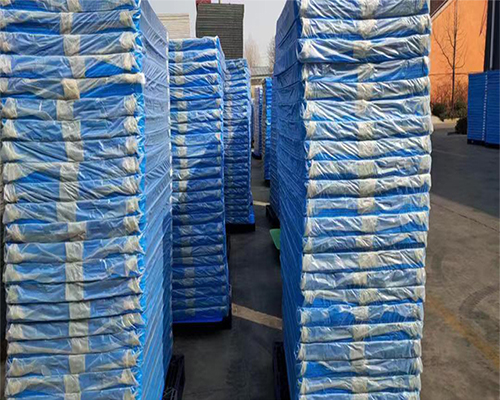
As packaging technology evolves, we can expect to see innovations in PP bottle layer pads as well. Some trends include:
These trends indicate that PP bottle layer pads will continue to play a central role in logistics for years to come.
The importance of reliable packaging cannot be underestimated. Whether it is a local brewery shipping beer across town or a multinational pharmaceutical company exporting medicine worldwide, the risks of bottle breakage are real and costly.
By investing in PP bottle layer pads, businesses gain durability, hygiene, reusability, and cost savings while also contributing to sustainable packaging practices. More than just a protective sheet, they represent a smart logistics tool that ensures products arrive safely, warehouses operate efficiently, and long-term costs remain under control.
For industries that depend on bottles, adopting PP layer pads is not just a choice—it is a necessity for growth and reliability.