
- Sophia@polyflute.com
- +86 15162372874
- Mon - Sat 8:00-20:00
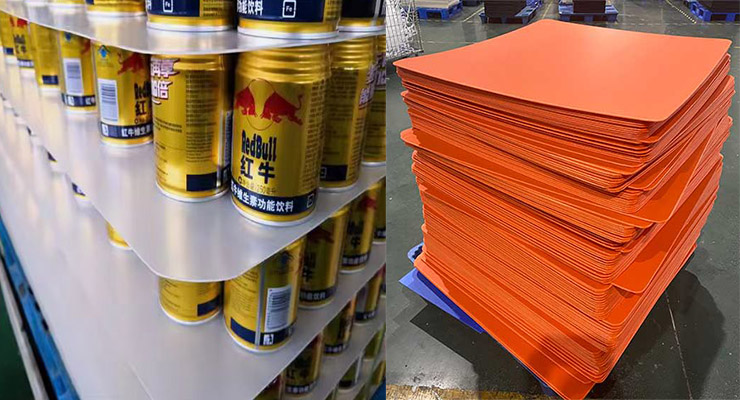
In the modern packaging and beverage industry, ensuring the safety and integrity of bottles during storage and transportation is crucial. One of the most effective solutions for achieving this is the Bottle Separator Sheet. Designed to prevent bottles from colliding and breaking, these sheets have become an essential component in the logistics of bottled products. This article provides a comprehensive introduction to Bottle Separator Sheets, including their types, materials, applications, benefits, and market trends.
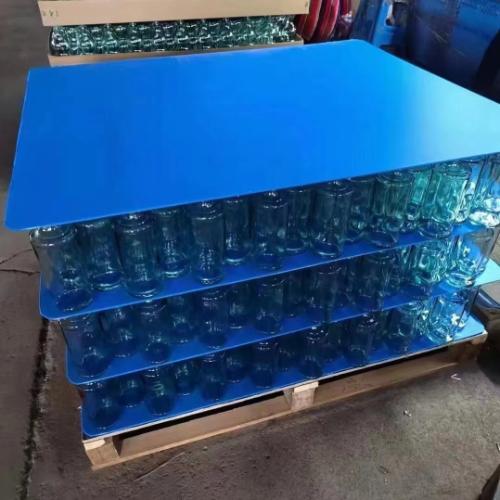
A Bottle Separator Sheet is a protective layer placed between bottles to maintain their stability and prevent damage during handling, storage, and shipment. These sheets are typically made of durable materials such as plastic, corrugated fiberboard, or foam, depending on the application and the type of bottles being transported. By keeping bottles separated, these sheets reduce the risk of chipping, cracking, or breaking, which is especially important for glass bottles and other fragile containers.
Among the various types available, the Plastic Bottle Separator Sheet is the most widely used due to its strength, flexibility, and reusability. These sheets are lightweight yet sturdy enough to support multiple layers of bottles, making them ideal for high-volume production and distribution environments.
Plastic is the most popular material for bottle separator sheets due to its durability, resistance to moisture, and ease of cleaning. Common types of plastics used include:
Plastic sheets can be molded or thermoformed into various shapes to fit the specific size and shape of the bottles. They can also include features such as dimples, grooves, or honeycomb structures to provide additional stability.
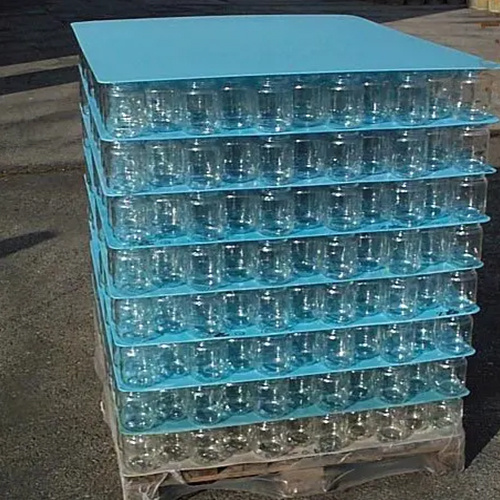
While less durable than plastic, cardboard or corrugated fiberboard sheets are a cost-effective option for short-distance transportation or single-use packaging. These sheets are often recycled and biodegradable, appealing to companies seeking environmentally friendly alternatives.
Foam sheets, such as polyethylene foam or expanded polystyrene (EPS), offer excellent cushioning and shock absorption. They are often used for delicate bottles, such as high-end wines or spirits, where extra protection is needed. Composite sheets, combining plastic and foam layers, provide a balance of durability and cushioning.
Bottle Separator Sheets are essential in various industries that rely on bottled products. Here are some primary applications:
The beverage industry is the largest consumer of bottle separator sheets. Soft drinks, juices, bottled water, and alcoholic beverages require careful handling during production and distribution. Plastic bottle separator sheets prevent breakage and maintain product quality during transit.
Beyond beverages, the food industry uses bottled sauces, oils, and condiments, all of which benefit from bottle separation. This ensures products reach retailers and consumers intact and in pristine condition.
Pharmaceutical bottles, especially glass vials and medication containers, require secure packaging to avoid contamination or breakage. Bottle separator sheets are often used in combination with other protective packaging materials for maximum safety.
Cosmetic bottles, such as perfumes and essential oils, are often fragile and expensive. Customized separator sheets help prevent loss and maintain aesthetic presentation.
Industrial liquids such as chemicals, lubricants, or laboratory reagents often come in glass or plastic bottles. Separator sheets reduce the risk of spills and damage during storage and transportation.
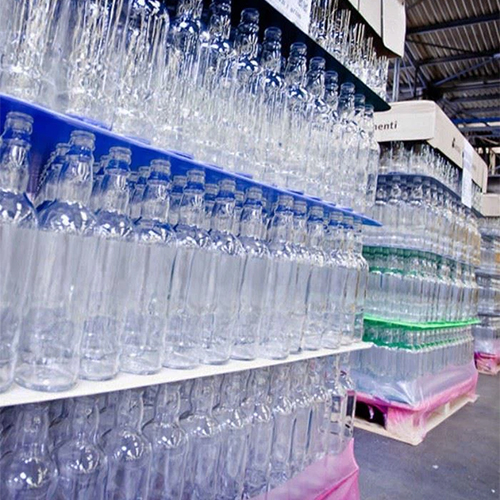
The most obvious benefit of Bottle Separator Sheets is their ability to prevent bottles from touching and colliding. This significantly reduces breakage, leakage, and product loss.
By minimizing damaged bottles, companies save money on replacement costs and reduce waste. Fewer damaged products also mean fewer returns, enhancing overall operational efficiency.
Bottle separator sheets allow bottles to be stacked safely, optimizing warehouse space and transportation loads. Their lightweight nature adds minimal extra weight, reducing shipping costs.
Plastic separator sheets are easy to clean and resistant to moisture, making them suitable for food and beverage applications where hygiene is critical. They also prevent contamination by keeping bottles separated and secure.
Many bottle separator sheets, especially those made of recyclable plastics or biodegradable cardboard, contribute to sustainable packaging practices. Reusable sheets can reduce single-use plastic consumption.
Selecting the appropriate separator sheet depends on several factors:
As consumer demand for beverages and bottled products grows, packaging solutions continue to evolve. Key trends include:
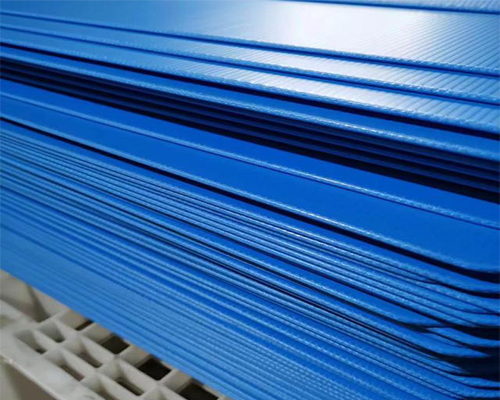
While cardboard and foam have been traditionally used, Plastic Bottle Separator Sheets have several advantages:
Proper handling of bottle separator sheets ensures longevity and consistent performance:

In conclusion, the Bottle Separator Sheet is an indispensable component in the packaging and transportation of bottled products. Whether made of plastic, cardboard, or foam, these sheets provide protection, efficiency, and cost savings across multiple industries. Plastic bottle separator sheets have become the preferred choice due to their durability, reusability, and hygienic properties. By understanding the materials, types, applications, and benefits of bottle separator sheets, manufacturers and distributors can make informed decisions to safeguard their products and streamline logistics operations.
Investing in quality separator sheets is not just a packaging decision—it is a strategic move to ensure product integrity, customer satisfaction, and sustainable business growth. If you are in need of bottle separator sheets, welcome to contact Polyflute for details!